
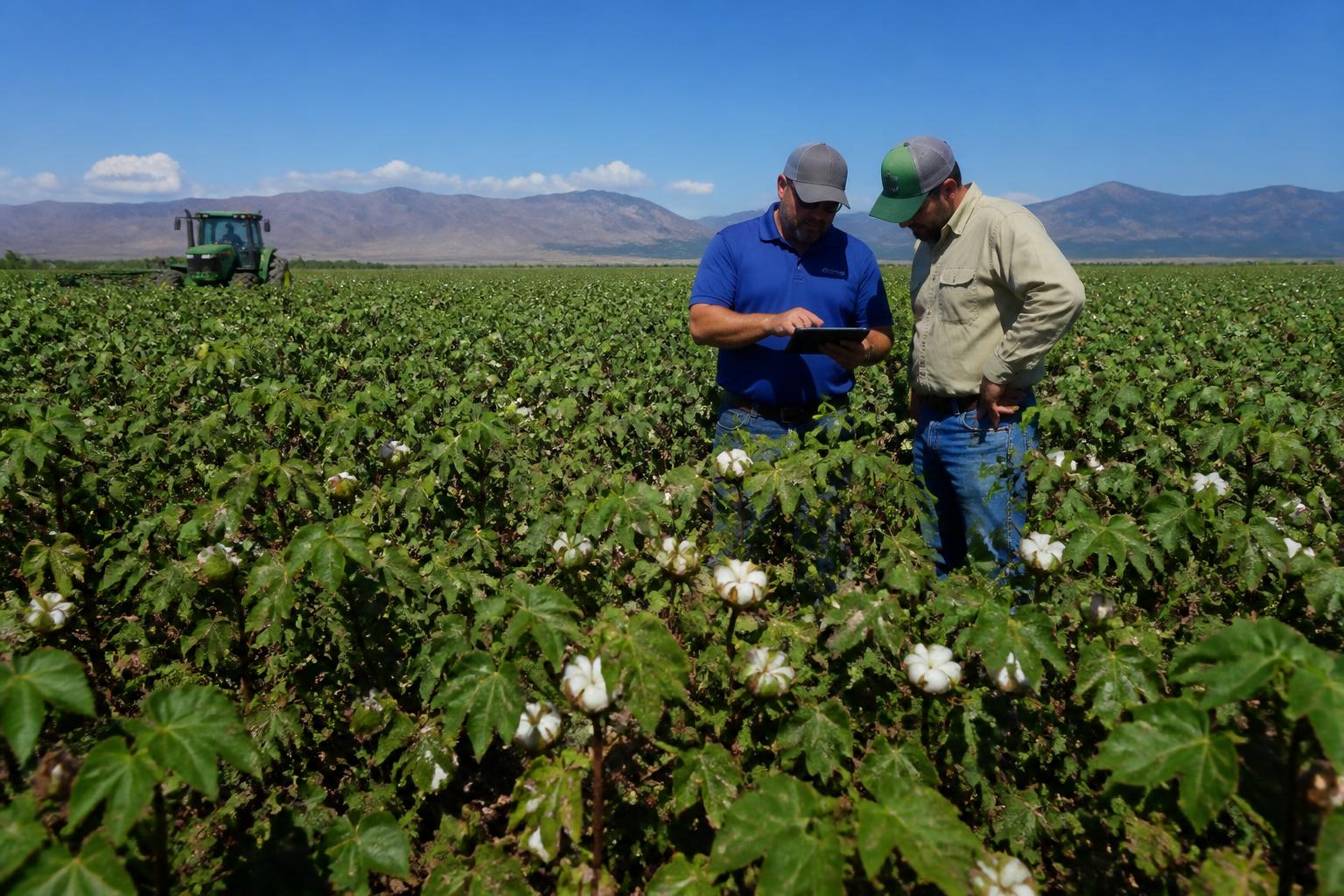
As Utah producers navigate the high-demand summer crop season, a shifting landscape of global trade policy, federal conservation funding, and domestic production initiatives is reshaping nutrient management strategies. In an arid state where water scarcity and soil health are constant challenges, finding a balance between input costs and resource stewardship is more critical than ever.
With global supply chains facing ongoing logistics pressures, agricultural businesses are keeping a close eye on both local programs and international policy adjustments. For Utah grain, forage, and specialty crop growers, these developments offer new opportunities to optimize input efficiency while protecting sensitive regional watersheds.
Phosphate Tariffs and Global Supply Shifts
On the international stage, efforts to ease tariff burdens on critical crop inputs are gaining momentum. Industry organizations have expressed strong support for legislative and executive actions to suspend countervailing duties on key imports. Most notably, a proposed bill aims to end duties on Moroccan phosphate by 2026. If passed, this measure could significantly alleviate cost pressures for domestic fertilizer blenders and distributors, eventually flowing down to retail prices for Intermountain West growers.
Simultaneously, global demand for industrial chemicals like nitric acid continues to rise, driven by both the fertilizer sector and expanding electronics manufacturing. This dual-demand pressure typically keeps nitrogen markets highly sensitive to energy costs and industrial production rates. As global supply corridors face persistent geopolitical vulnerabilities, domestic markets remain reactive to international trade flows.
Domestic Expansion and Regional Potash Projects
To reduce reliance on foreign supply chains, the federal government has launched a 500 million dollar fertilizer program designed to boost domestic production. This initiative aims to increase independent manufacturing capacity, encouraging localized solutions that can withstand global shipping disruptions. In Utah, federal efforts to expand regional fertilizer security are gaining traction, highlighted by a Utah potash project securing USDA funding to bolster local nutrient availability.
Localized production not only reduces transport logistics across the mountain states but also helps guard against sudden supply gaps. By processing inputs closer to where they are applied, regional distributors can better serve farmers who need precise nutrient deliveries during critical summer growth stages.
Conservation Funding and Arid Soil Stewardship
In Utah, where semi-arid and desert soils naturally limit nutrient retention, fertilizer application must be handled with care. Ranchers and farmers across the state are increasingly utilizing Inflation Reduction Act funding to plant cover crops, which helps improve organic matter, retain soil moisture, and naturally stabilize nitrogen levels. This focus on ecological stewardship is critical as farmers work on balancing crop protection and environmental sensitivity in Utah fields during periods of severe drought.
With growing public and legislative focus on conserving the Great Salt Lake and protecting local water systems, optimizing nutrient runoff has become a priority. High-efficiency fertilizers, including slow-release formulations, can help growers maintain high crop yields while minimizing environmental impacts on local watersheds.
What it means for the market
For Utah growers, the combination of potential tariff relief on imports, domestic manufacturing support, and conservation incentives creates a strategic window. While global shipping concerns and commodity volatility remain, local nutrient planning should focus on maximizing efficiency and utilizing soil health programs to offset cost pressures during the hot summer months.
Comments
No comments yet - be the first to share your take.