
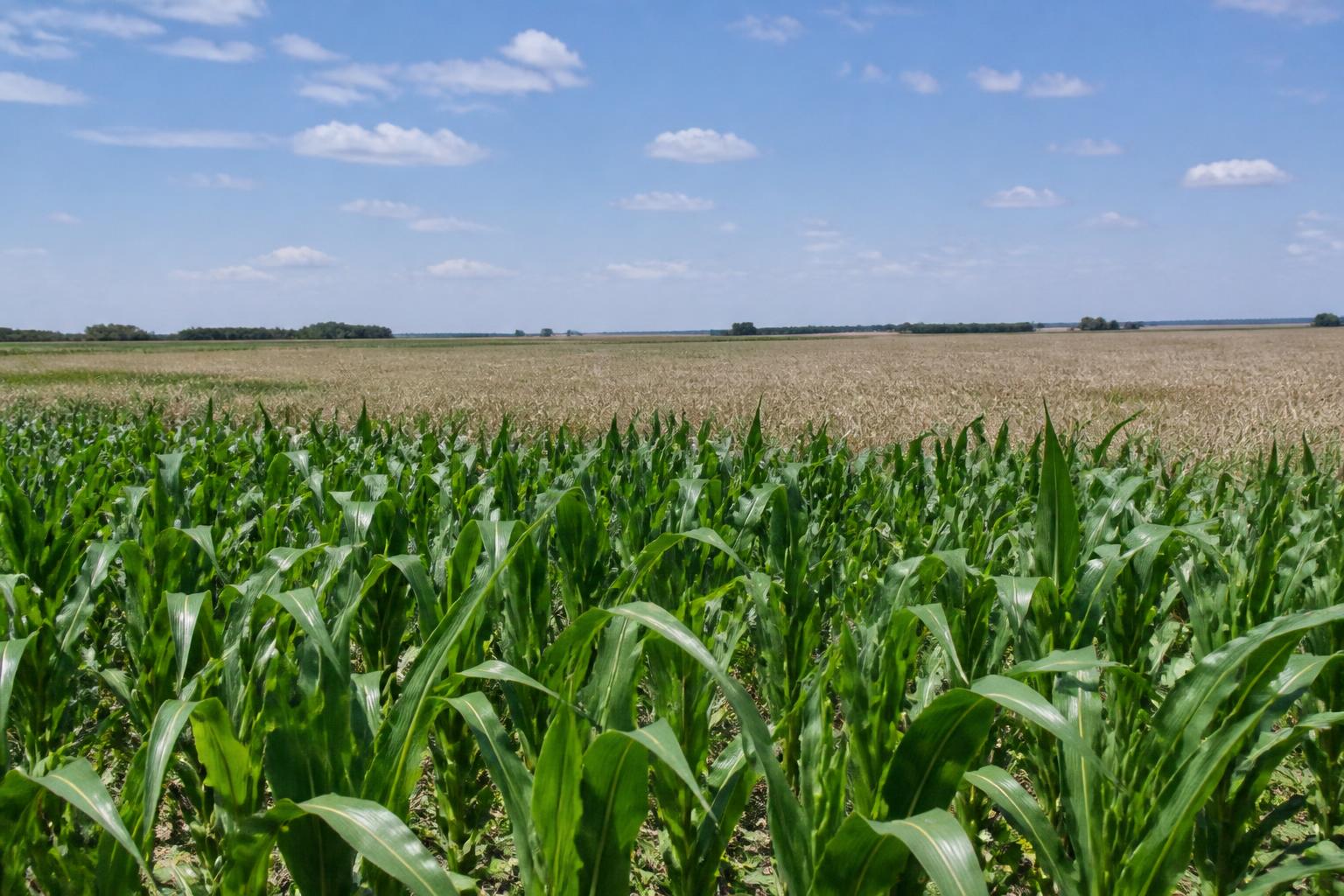
Kansas growers are navigating a complex grid of production challenges this summer, as escalating global tensions and domestic supply chain consolidation drive fertilizer prices higher. From the wheat fields of western Kansas to the irrigated corn acres in the southwest, the rising cost of nutrients is forcing farm operators to re-evaluate their input purchases and application schedules. This economic squeeze arrives at a critical juncture, as producers finalize their summer crop management and look ahead to fall planting prep.
Geopolitical Pressures and Rail Logistics Vulnerabilities
The recent surge in fertilizer prices has been heavily influenced by overseas volatility, particularly the conflict involving Iran, which has rattled international energy and chemical markets. Because global fertilizer manufacturing is deeply dependent on natural gas and stable trade routes, Kansas farmers are feeling the direct financial impact of these distant disruptions. The pricing volatility makes it increasingly difficult for retail co-ops and individual growers to lock in predictable rates for key nutrients like anhydrous ammonia, urea, and liquid nitrogen.
Adding to these global supply worries are North American logistics concerns. Agricultural groups have actively pressured the Canadian government to prevent a potential rail shutdown. Given how closely integrated the U.S. and Canadian rail networks are, any work stoppage north of the border threatens to disrupt the flow of vital fertilizer components and crop inputs moving into the Midwest, further compounding local pricing and availability challenges.
Consolidation Warnings and Input Price Shocks
On the domestic front, industry structure is also raising red flags among agricultural advocates and policymakers. Lawmakers and ag groups have recently warned of a potential monopoly within the fertilizer industry following the proposed sale of a major manufacturing plant. Critics argue that further consolidation could reduce competition, leaving regional distributors and growers with fewer options and less bargaining power. This is especially concerning during a period when farm margins are already tight, forcing many to cope with intense input price shocks alongside seasonal logistics bottlenecks.
Weather Variations and Crop-Specific Strategies
Field conditions across the Sunflower State present a mixed bag this season. In Southwest Kansas, the corn crop has responded favorably to recent rains, promoting strong early-season development. However, the region's wheat crop could use a break from the moisture to facilitate a smoother harvest and preserve grain quality. Managing crop nutrition under variable weather requires careful planning, as heavy rains can lead to nitrogen leaching in some soils, while dry conditions in other parts of the state can limit nutrient uptake.
As growers assess their long-term crop rotations in light of high input costs, alternative options are gaining attention. For instance, some producers are exploring whether winter durum could serve as a highly profitable wheat crop alternative, offering a potential path to optimize fertilizer efficiency and capitalize on specialty market premiums. Balancing these crop choices is essential as Kansas farm budgets feel the squeeze from elevated operating costs and fluctuating grain prices.
Key Takeaways for Kansas Operators
- Monitor Global Events: Keep a close eye on energy markets and geopolitical developments in the Middle East, as they continue to act as primary drivers for wholesale fertilizer pricing.
- Watch the Supply Chains: Track North American rail updates and port activity to anticipate shipping delays or localized inventory shortages.
- Optimize Application: Work with local agronomists to use soil testing and split-application techniques to maximize fertilizer efficiency and avoid over-applying high-priced nutrients.
What it means for the market
The convergence of geopolitical conflicts, regulatory hurdles, and potential domestic manufacturing consolidation suggests that fertilizer prices may remain elevated and volatile through the upcoming winter wheat planting season. For Kansas grain handlers, input buyers, and carriers, success this year will depend heavily on flexible procurement strategies, diligent risk management, and tight coordination with local suppliers to secure product well in advance of field applications.
Comments
No comments yet - be the first to share your take.