
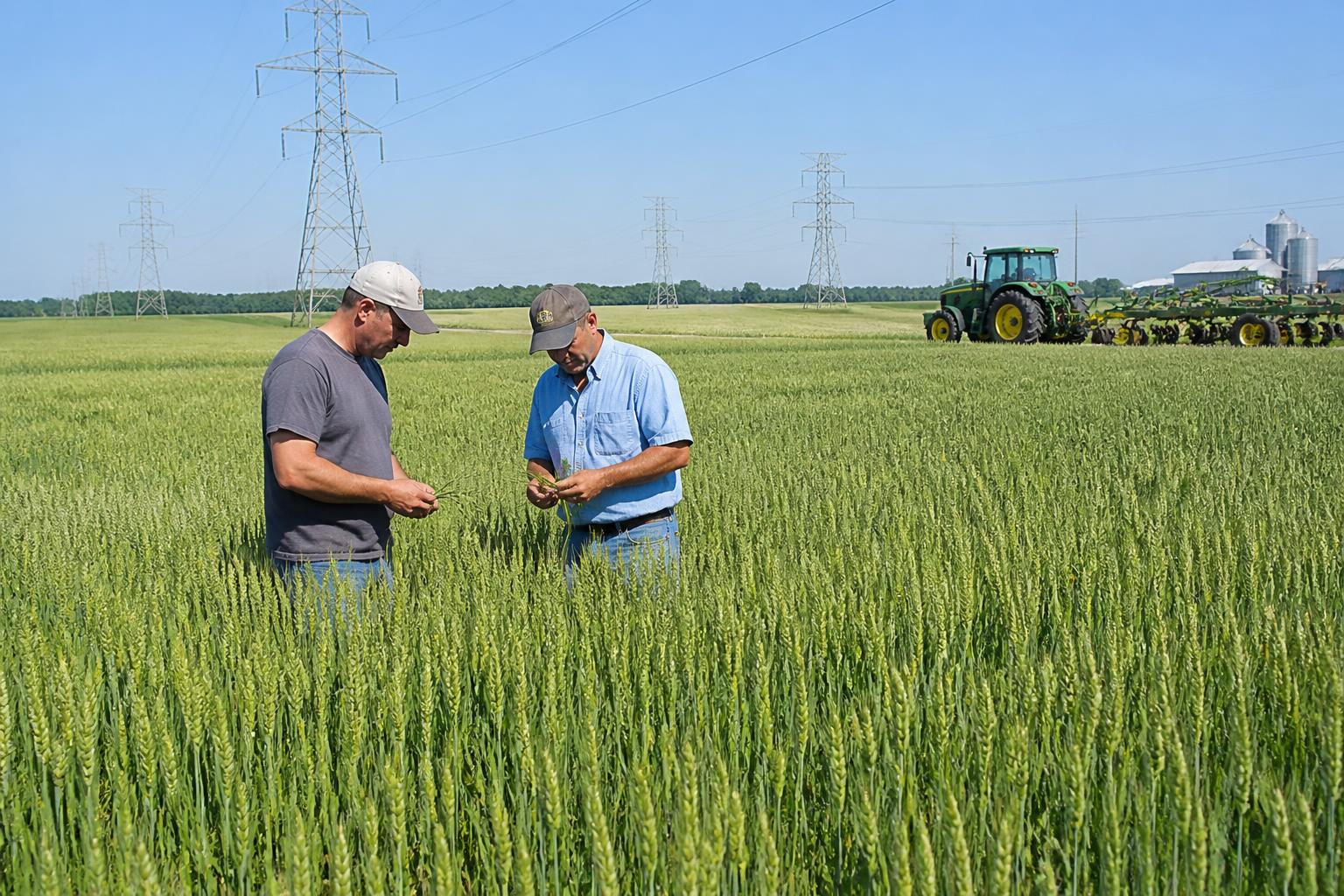
Fuel and Power Squeezing Summer Budgets
Energy costs have spiked recently, adding unexpected strain to Kansas farm budgets. During the busy summer months, diesel fuel consumption rises sharply as tractors, combines, and grain trucks operate continuously. For irrigators in western Kansas, rising electricity and natural gas rates to pump water further inflate crop production costs.
This energy surge affects every step of the supply chain, from field operations to grain transport. With local elevators and terminals adjusting to these overhead costs, commercial hauling rates are reflecting the energy premium. Managing these operational expenses requires careful scheduling to minimize unnecessary trips. Growers are increasingly evaluating their transport options, especially as Kansas grain logistics undergo regional infrastructure shifts to meet domestic and export demands.
Tactical Grain Marketing Amid Volatility
With production costs rising, grain marketing becomes the primary tool for preserving profit margins. Marketing experts emphasize the importance of understanding exact break-even numbers, which have shifted upward due to input pressures. Rather than waiting for potential market peaks, producers are encouraged to utilize incremental sales and look ahead at marketing strategies for upcoming crop years.
For many Kansas growers, crop marketing is no longer just about selling at harvest. Using a mix of forward contracts, hedge-to-arrive agreements, and options allows producers to establish price floors while maintaining flexibility. This structured approach helps mitigate the risk of storing grain indefinitely under high-cost conditions, particularly when local elevators face heavy space demands. Navigating these storage decisions is critical, especially when dealing with Kansas harvest pressures and potential storage shortages during high-yield seasons.
Key Takeaways for Kansas Agribusinesses
- Monitor Energy Use: Optimize field passes and machinery maintenance to conserve fuel during harvest and summer tillage operations.
- Know the Base Costs: Recalculate break-even points frequently to reflect recent surges in fuel, fertilizer, and drying costs.
- Avoid Market Stagnation: Implement disciplined grain marketing plans using incremental sales targets to protect cash flow.
- Coordinate Logistics Early: Work closely with local haulers and elevators to secure transport and storage space ahead of peak seasonal demand.
What it means for the market
The combination of rising energy costs and complex grain marketing dynamics highlights the need for strict financial discipline on Kansas farms. Producers who actively manage their energy exposure while implementing structured, incremental marketing plans will be best positioned to weather the current price volatility and secure sustainable margins for the season.
Comments
No comments yet - be the first to share your take.