
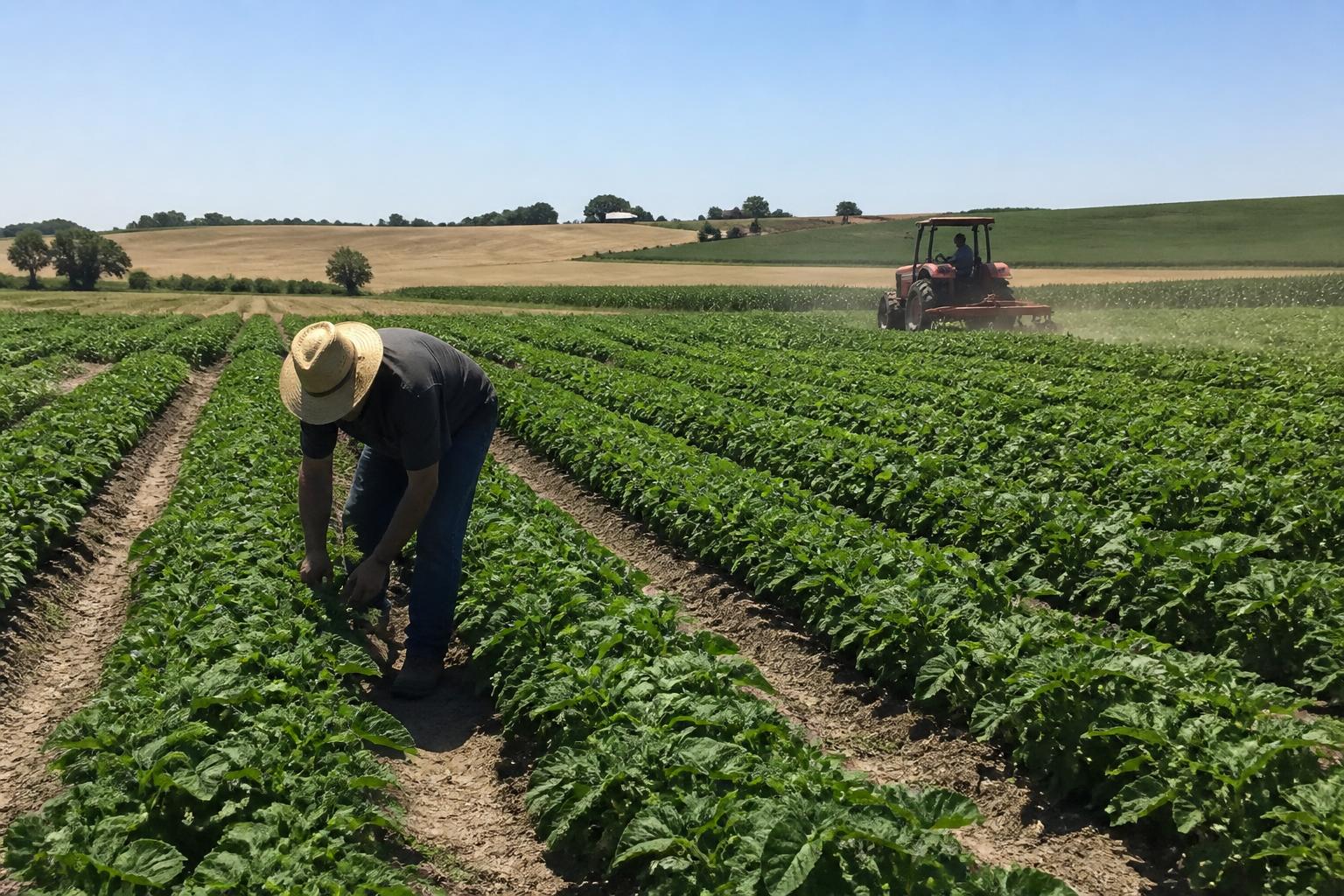
For West Virginia farmers and agribusinesses, the summer season often brings a period of evaluation regarding input costs and operational efficiency. As regional producers continue to manage their mid-summer cropping needs, ongoing federal investigations into the U.S. fertilizer market remain a focal point for those monitoring long-term price stability. While local supply chains work to keep pace with demand, the broader context of industrial input pricing suggests that producers should remain diligent in their procurement planning.
Managing Supply Risks in the Mountain State
Agrologistics in West Virginia, particularly across the Appalachian terrain, often necessitates a proactive approach to procurement. Producers are currently balancing seasonal application requirements with the need to hedge against potential price volatility. While some sectors of agriculture are finding relief through localized market growth, the broader fertilizer sector continues to navigate the complexities of supply chain reliance. For those interested in the interplay between sustainability and productivity, our recent analysis on balancing poultry litter biosecurity and conservation provides critical context for state-specific nutrient management.
Logistics and Market Resilience
Effective management in the current market environment often requires leveraging regional resources. As farm operators adjust to changing conditions, understanding the health of local infrastructure and grain movement remains vital. Insights from our previous look at local fertilizer price relief and grain growth highlight how regional output trends are shifting as we move through the summer months. Maintaining open communication with local elevators and input suppliers is essential for those looking to mitigate risks associated with fluctuating input availability.
What it means for the market
The convergence of regulatory attention on the fertilizer industry and localized operational pressures means that West Virginia agribusinesses should prioritize flexibility in their seasonal planning. By closely tracking local input price developments and maintaining efficient, localized storage strategies, producers can better insulate themselves from wider market disruptions throughout the remainder of the growing season.
Comments
No comments yet - be the first to share your take.