
Managing Local Nutrients Amid Poultry Logistics Shifts
West Virginia's agricultural sector heavily relies on poultry litter as an affordable, nutrient-rich soil amendment. However, local supply chains face fresh challenges this summer. Agriculture officials recently confirmed a case of highly pathogenic avian influenza in Pocahontas County, a development that demands heightened biosecurity and careful monitoring of poultry operations and byproduct movement.
For crop and livestock producers who rely on poultry litter to fertilize their fields, navigating these biosecurity measures is essential. Logistics can become complicated when moving organic materials across mountainous state corridors. Farmers can consult the guide on poultry logistics and summer mountain routes to better understand transport challenges and biosecurity protocols during this active shipping season.
Practical Conservation and On-Farm Nutrient Cycling
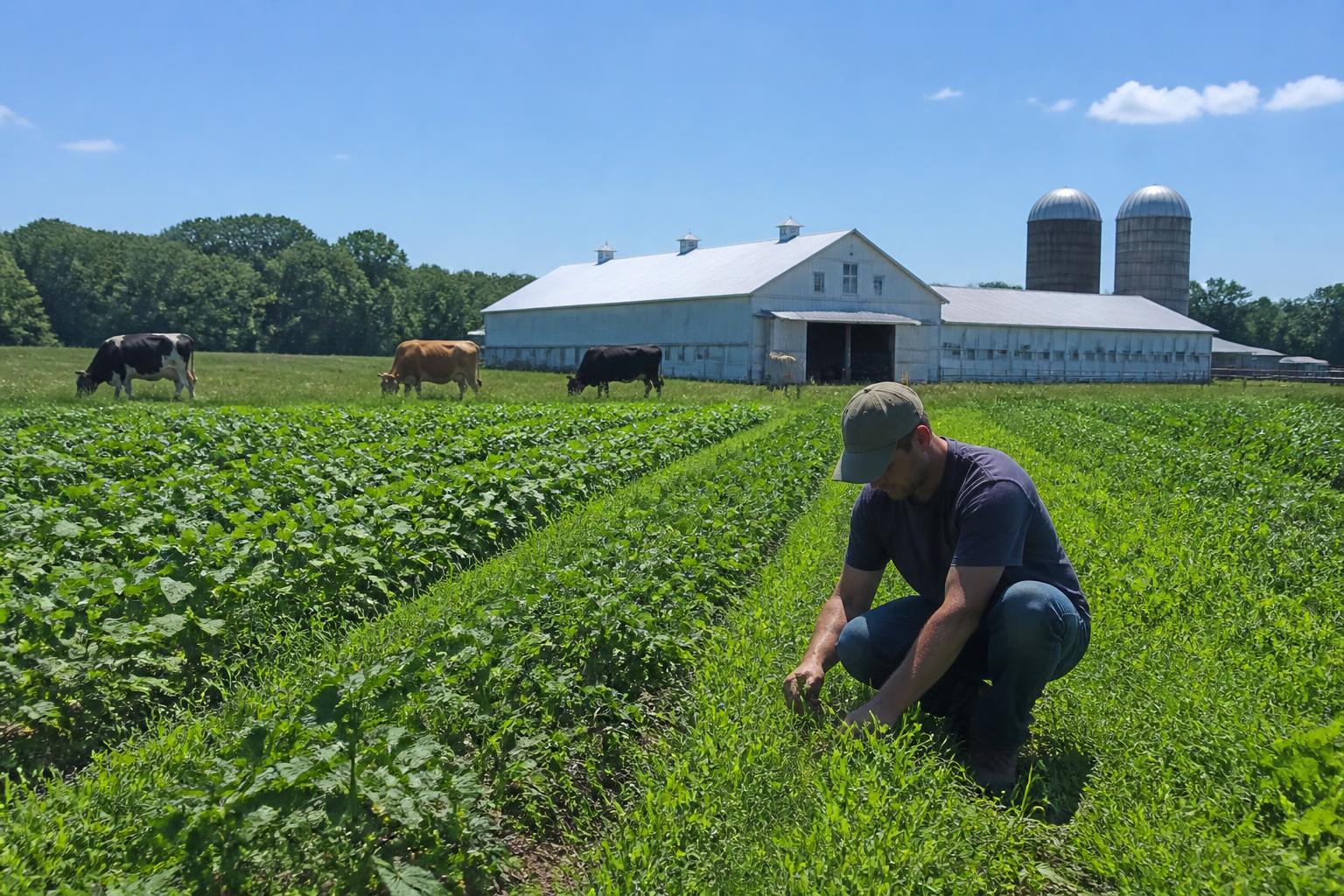
To hedge against commercial input volatility, many West Virginia operators are turning toward conservation-focused strategies. Emphasizing on-farm nutrient cycling, similar to successful conservation models seen at Meadow View Farm, helps keep input costs manageable. Minimizing waste and timing applications to match crop uptake patterns ensure that nutrient investments yield the highest possible return in forage and grain quality.
In hilly pasturelands and river valleys, such as those in the eastern panhandle and Potomac Highlands, reducing nutrient runoff is both an environmental goal and an economic necessity. Utilizing cover crops, rotational grazing, and targeted applications allows farmers to retain expensive nitrogen and phosphorus in the root zone rather than losing them to heavy summer rainfall and mountain runoff.
Commercial Fertilizer Markets and Sourcing Strategies
On the commercial front, global fertilizer supply chains remain complex as international trade routes adapt to shifting demands in major agricultural economies like India. Despite these global movements, domestic prices in the Appalachian region have stabilized compared to the extreme peaks of prior seasons.
West Virginia growers are experiencing a more predictable pricing environment this summer. This aligns with findings from the West Virginia summer grain review highlighting recent price relief, which noted that lower commercial fertilizer expenses have provided some breathing room for local operating budgets. Nonetheless, maintaining a balanced mix of commercial inputs and local organic alternatives remains the safest bet against future market swings.
Key Takeaways for West Virginia Producers
- Monitor local poultry regulations: Stay informed on transport restrictions and biosecurity guidelines, especially when sourcing poultry litter near Pocahontas County.
- Focus on conservation: Implement targeted applications and split-application strategies to minimize nutrient runoff on sloped acreage.
- Plan ahead: Use the current period of relative price stability to secure late-summer and fall nutrient needs before seasonal logistics bottlenecks arise.
What it means for the market
For West Virginia's agricultural market, the summer of 2026 highlights the necessity of localized, resilient supply chains. While commercial fertilizer price stabilization provides short-term relief, regional biosecurity challenges with poultry litter underscore the value of diverse nutrient sourcing. Agribusinesses and farmers who integrate strict biosecurity with proactive conservation practices will be best positioned to protect their margins through the coming harvest season.
Comments
No comments yet - be the first to share your take.