
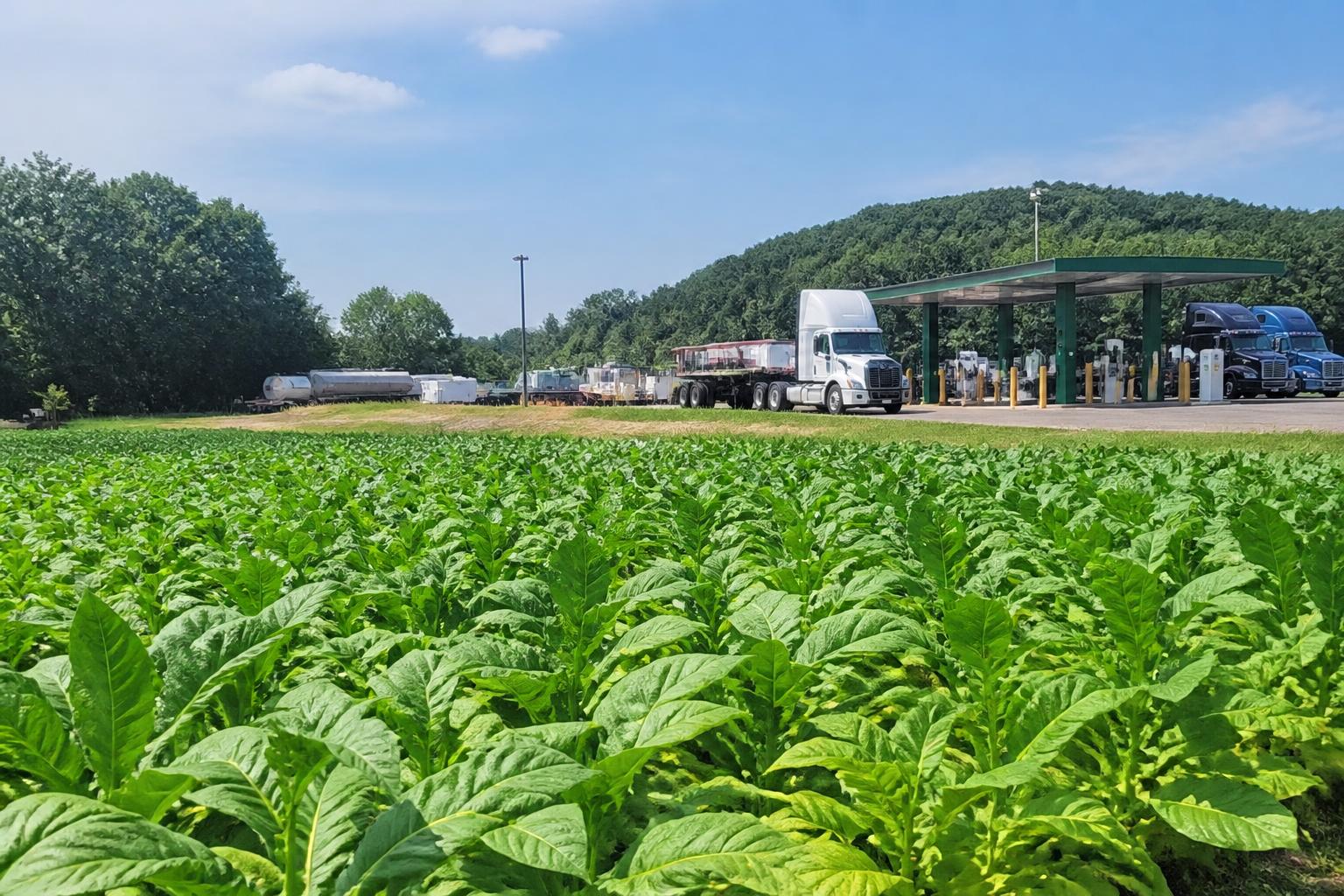
In the rolling fields across Kentucky, the height of the summer growing season serves as a critical window for monitoring crop development and nutrient efficiency. For producers managing no-till systems, the strategy behind fertility programs remains a cornerstone of success. Consistent soil testing and calculated nutrient applications are often prioritized to ensure that crops have the resources they need to thrive, especially when facing the typical heat and humidity common in our region.
Advancements in the sector continue to offer new avenues for precision management. The integration of specialized research and organic product development is becoming more prominent, providing farmers with broader choices for input programs. Whether dealing with traditional soil nutrition or exploring new biological solutions, the goal for many remains the same: optimizing yield potential while stewarding the land for future harvests.
Aligning Inputs with Modern Logistics
Efficient management extends beyond the field to the logistics of supply. For many Kentucky producers, the ability to source inputs rapidly is vital. Regional service providers are increasingly emphasizing same-day delivery options to help operations minimize downtime during busy periods. This logistical support is particularly important when adjustments to fertility plans are needed on short notice to respond to localized weather or pest pressures.
Building Resilience in the Field
As the industry evolves, staying informed on the latest regional developments is a key asset. Proactive management often includes keeping a close watch on soil conditions and equipment readiness. Many producers find that refining their approach to summer crop protection and nutrient placement significantly impacts overall farm performance. As you assess your fields this July, consider how your current fertility strategy aligns with the specific moisture and temperature trends of your local area.
What it means for the market
The market for fertilizers and crop inputs in Kentucky is shifting toward increased flexibility and precision. Farmers are placing a higher value on vendors who can provide quick turnaround times and specialized input solutions that support sustainable, long-term soil productivity. By prioritizing efficiency in both application and supply chain logistics, producers can better manage the volatility of the current agricultural landscape and keep their operations on a steady path toward harvest.
Comments
No comments yet - be the first to share your take.