
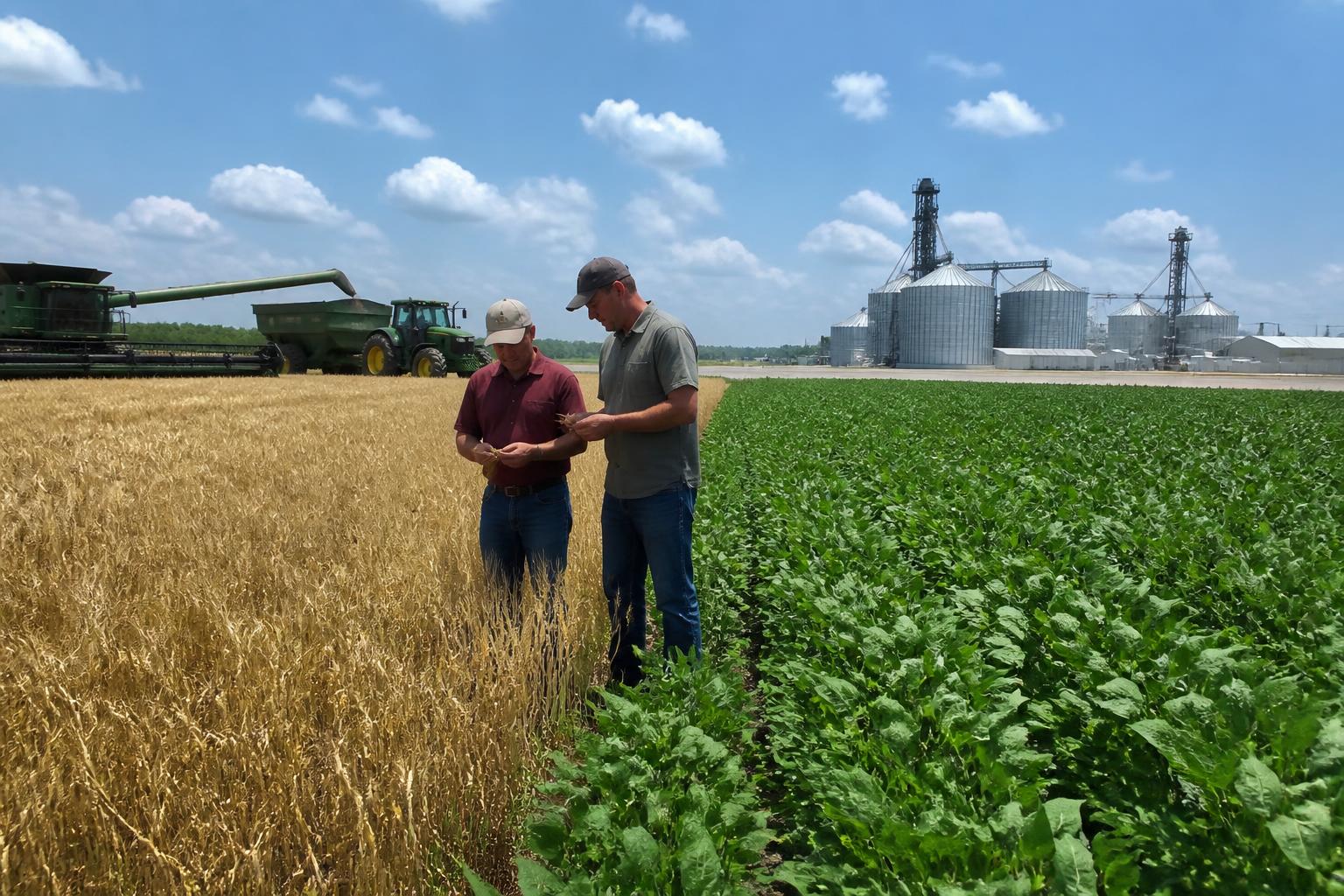
Mid-summer in Missouri typically brings a shift in logistical priorities for producers and agribusinesses alike. With crops at various stages of development, the focus often turns toward preparing for upcoming harvest needs and managing the flow of essential inputs. Recent developments, such as the opening of major bulk fertilizer facilities in the state, suggest a growing emphasis on shoring up local supply chains to help mitigate potential bottlenecks during high-demand windows.
Expanding Local Infrastructure
The recent debut of the River Valley Agronomy Center serves as a timely addition to the state's agricultural landscape, potentially offering more robust storage capacity for bulk inputs. Such projects are critical for localized logistics, as regional elevators and supply centers work to balance the needs of Missouri producers against wider national supply chain variables. By streamlining how fertilizers move through the state, these facilities can help reduce the pressure on transportation corridors that often become strained as peak seasonal movement approaches.
Input Market and Regulatory Context
For many grain handlers and farmers, the current market environment remains sensitive to cost fluctuations and regulatory changes. Recent adjustments to phosphate duties have provided a measure of relief for corn growers, which may influence input procurement decisions heading into the latter part of the season. Additionally, the broader agricultural community continues to monitor how policy shifts and emerging biological crop input facilities—aimed at addressing rising demand—might further alter traditional procurement models across the state.
As producers and logistics managers weigh these factors, it remains important to maintain flexibility in transportation planning, especially given the seasonal variability of fuel costs and regional road infrastructure needs. Keeping a pulse on Missouri ag market trends can offer a competitive advantage for those coordinating the movement of both inputs and the eventual harvest.
What it means for the market
The integration of expanded bulk storage and new processing facilities in Missouri may offer a buffer against traditional logistics volatility. For local agribusinesses and transporters, this environment signals a potential need to refine storage and delivery schedules to better align with these emerging regional hubs. Monitoring these physical shifts alongside national economic indicators remains the most effective strategy for managing operational costs as the season progresses.
Comments
No comments yet - be the first to share your take.