
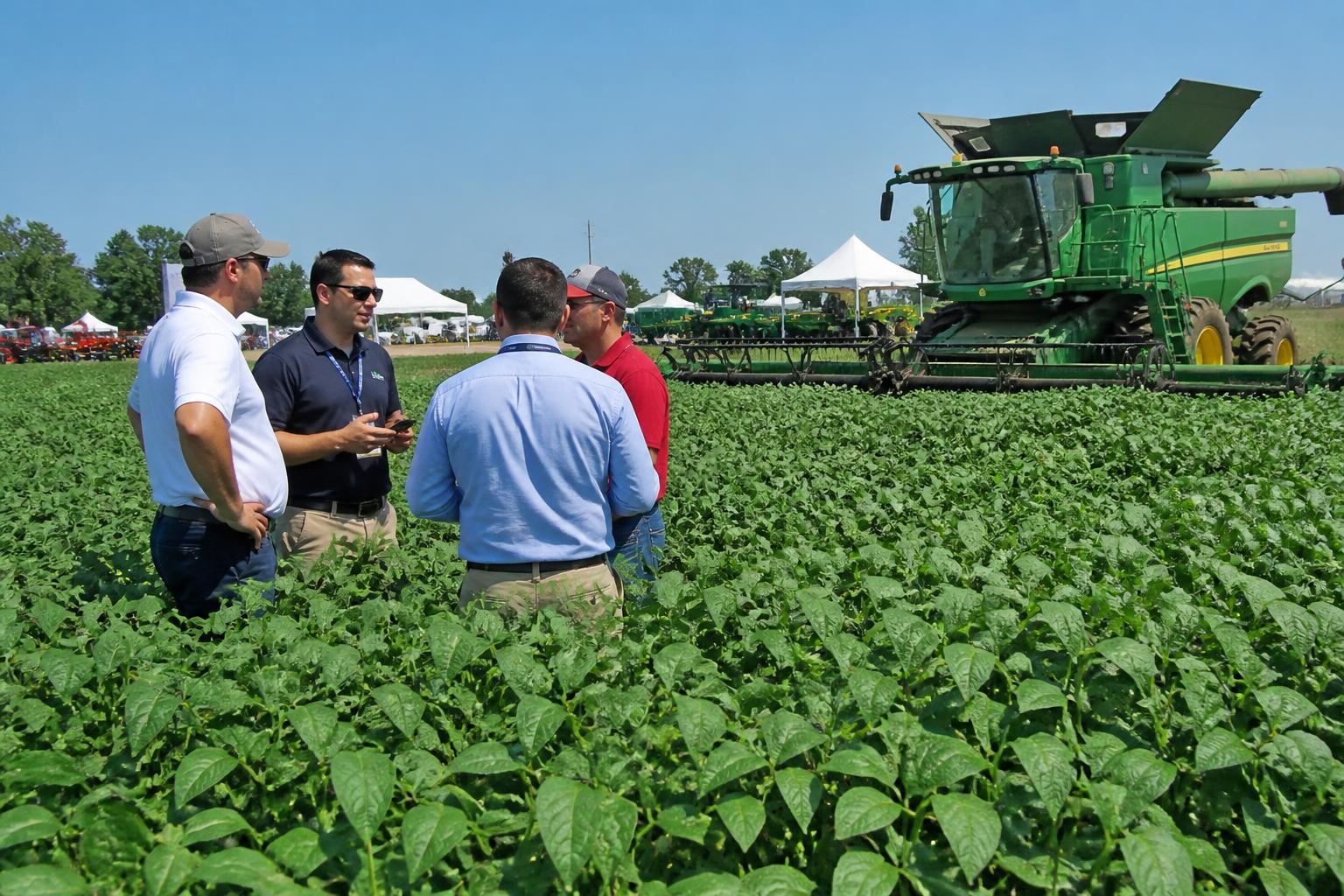
For many Kentucky farmers, the current summer season is defined by more than just crop development; it is a period of intense evaluation regarding input economics. As growers continue to manage the lingering effects of fertilizer price volatility, the strategic pivot toward alternative cropping rotations—such as shifting acreage from corn to soybeans—remains a notable trend. This adjustment often reflects a broader effort to mitigate high production costs while maintaining soil health and yield potential in the face of fluctuating market conditions.
Aligning Logistics with Operational Demands
The movement of essential agricultural inputs across the state requires constant coordination, particularly as local grain handlers and agribusinesses prepare for the logistical complexities of the upcoming harvest cycle. Whether transporting nutrients to storage facilities or moving harvested grain toward major hubs like those connected to Owensboro, the efficiency of the regional supply chain is vital. Producers are increasingly focusing on optimizing these transport routes to minimize overhead, especially in areas where input supply chains have felt the pressure of regional shortages.
Industry Engagement and Future Growth
Beyond daily operations, there is a strong emphasis on strengthening the foundation of domestic production. Kentucky farmers have shown vocal support for legislative measures aimed at expanding U.S. fertilizer production, reflecting a desire to reduce dependency on external supply chains. This push for greater market autonomy complements broader efforts in Kentucky to refine fertility strategies, ensuring that local operations can better withstand economic shocks in future planting seasons.
What it means for the market
The agricultural landscape in Kentucky remains adaptive. While input costs and supply chain constraints create ongoing challenges, the industry's focus on sustainable, cost-effective nutrient management and improved logistical efficiency is key to maintaining profitability. For producers, the remainder of the summer offers a crucial window to finalize supply orders and coordinate with transport partners, positioning operations to handle potential price shifts with greater flexibility.
Comments
No comments yet - be the first to share your take.