Fall Fertilizer Outlook: Balancing Soil Health and Input Costs in Nevada
As Nevada producers head into the fall season, managing input costs and soil health remains critical for long-term farm sustainability.
We collect original digests and analytical notes based on facts, market signals and verified sources.
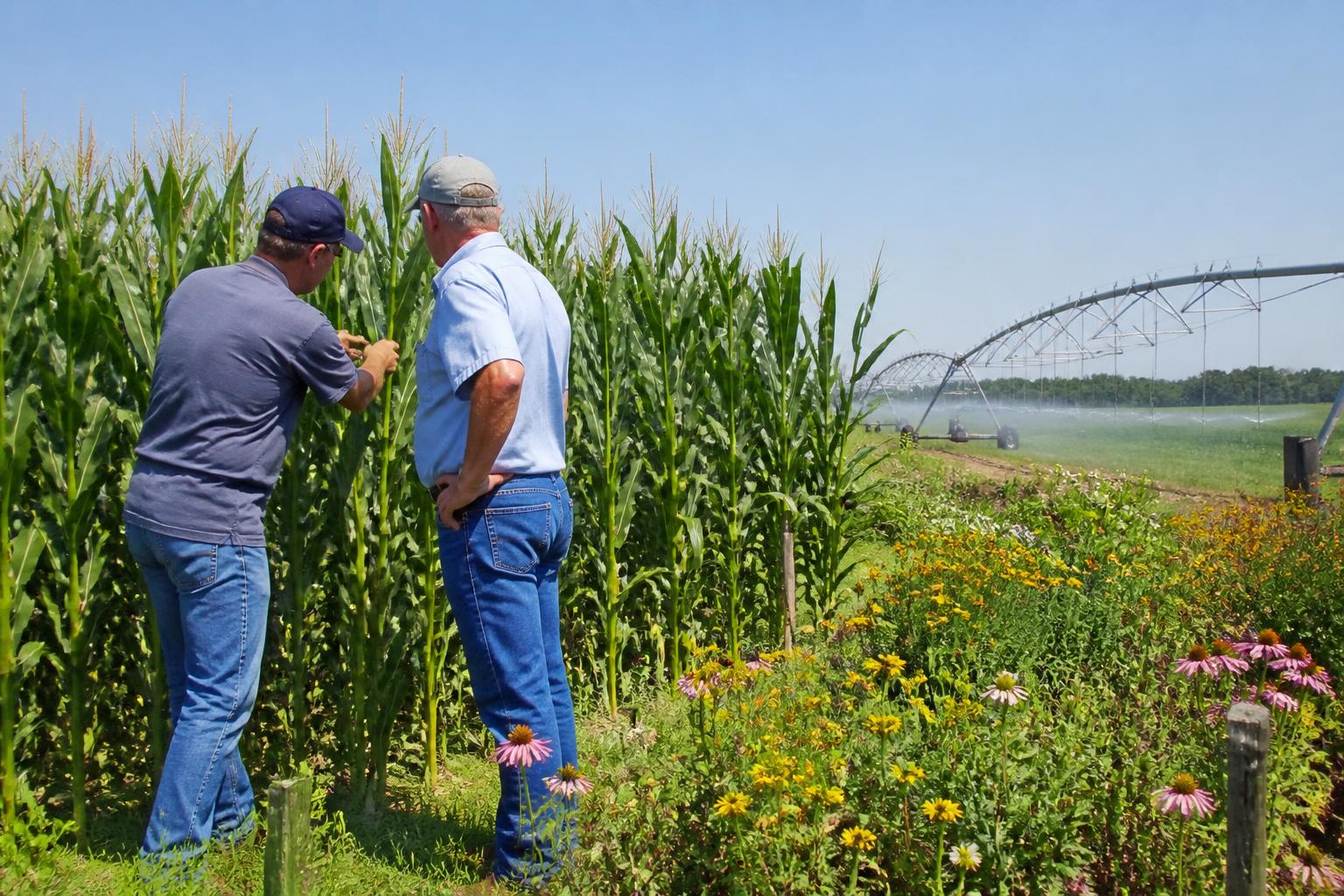
As temperatures remain high into September, Nevada growers face increased pressure on water resources and crop stability, requiring adaptive management strategies to protect yields.
As Nevada producers head into the fall season, managing input costs and soil health remains critical for long-term farm sustainability.
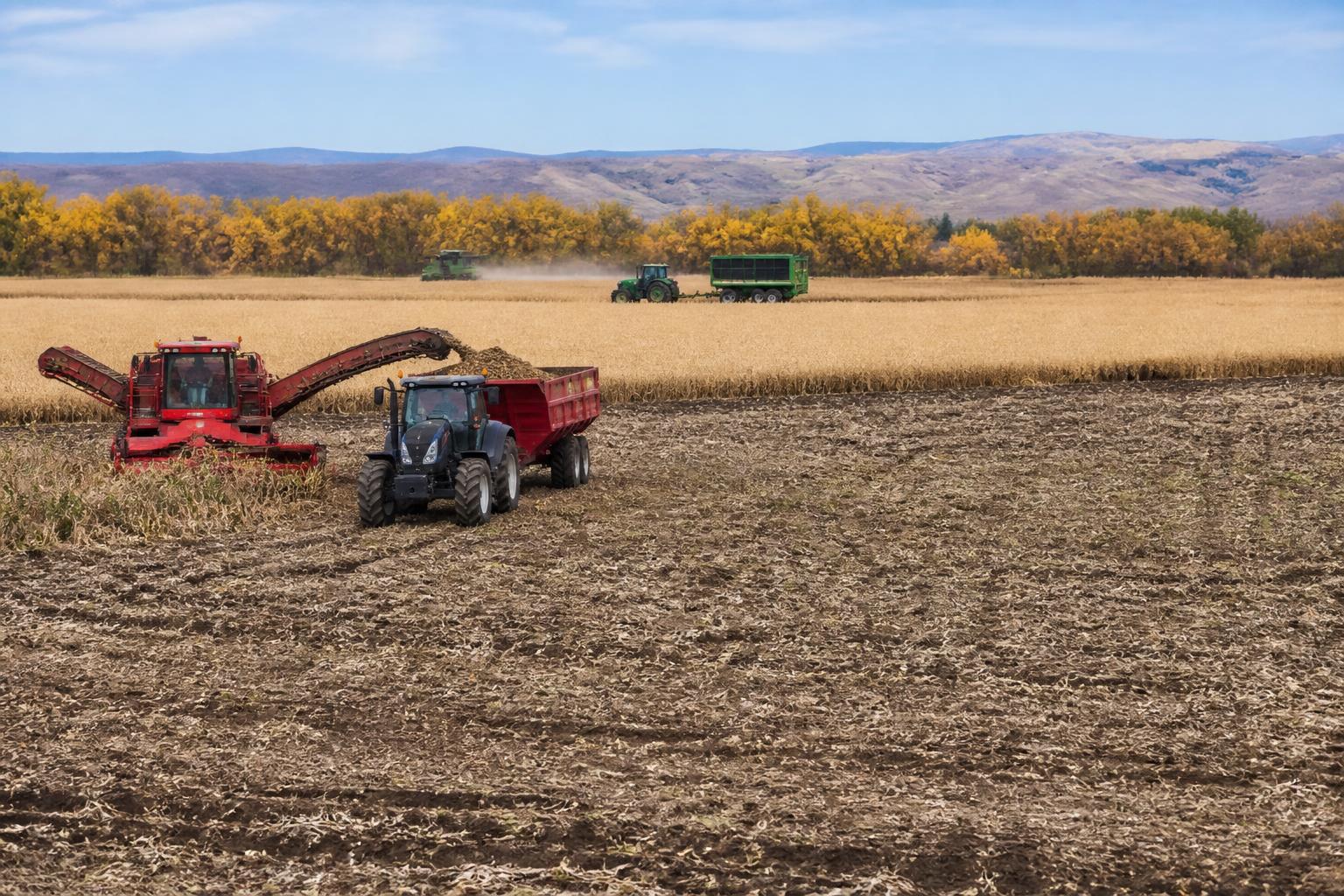
As Idaho enters the fall harvest, producers are navigating crop shifts and evolving resource management needs amid changing market conditions.
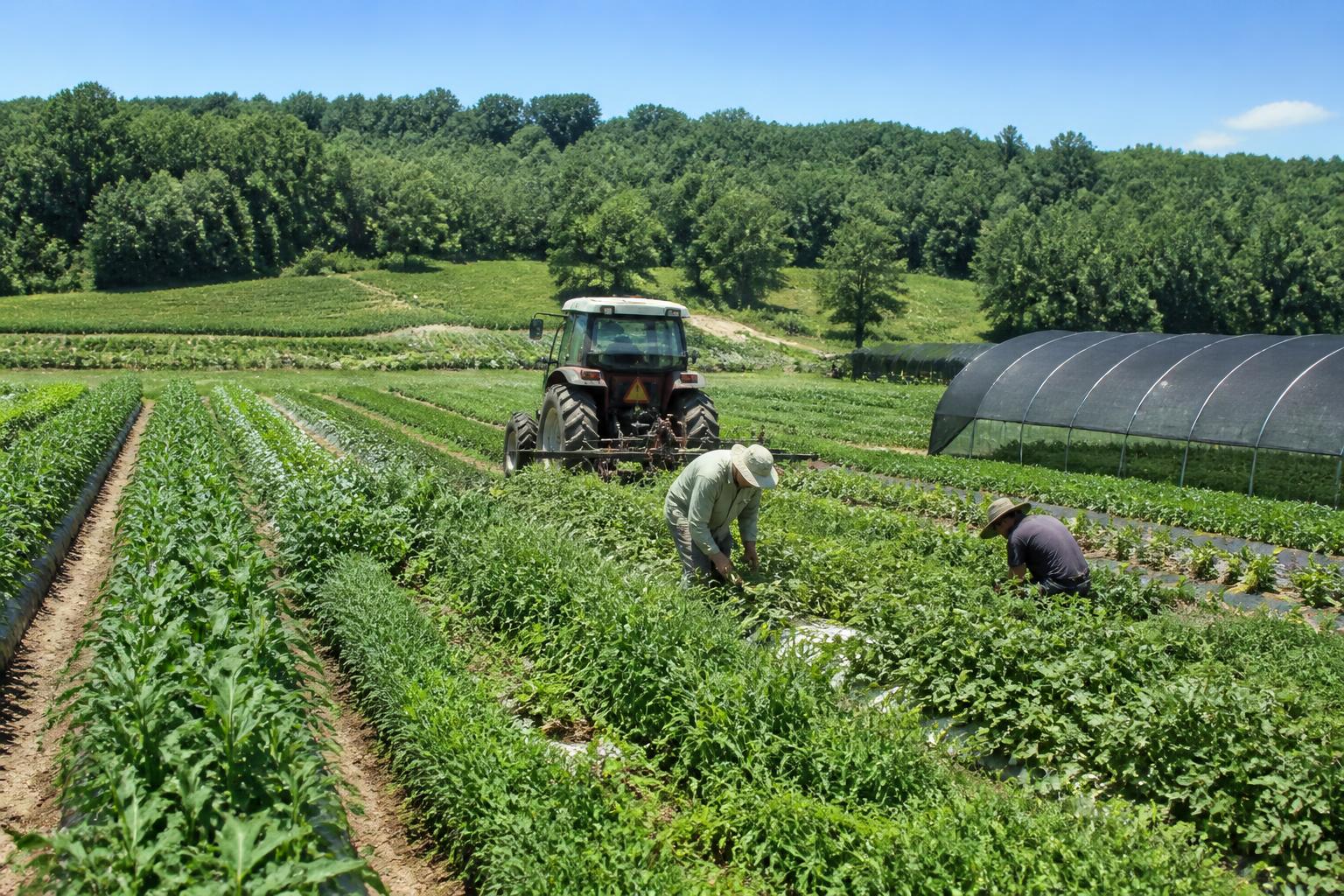
As Vermont enters the fall season, producers are managing complex input cost pressures and shifting environmental regulations that continue to reshape the local agricultural landscape.
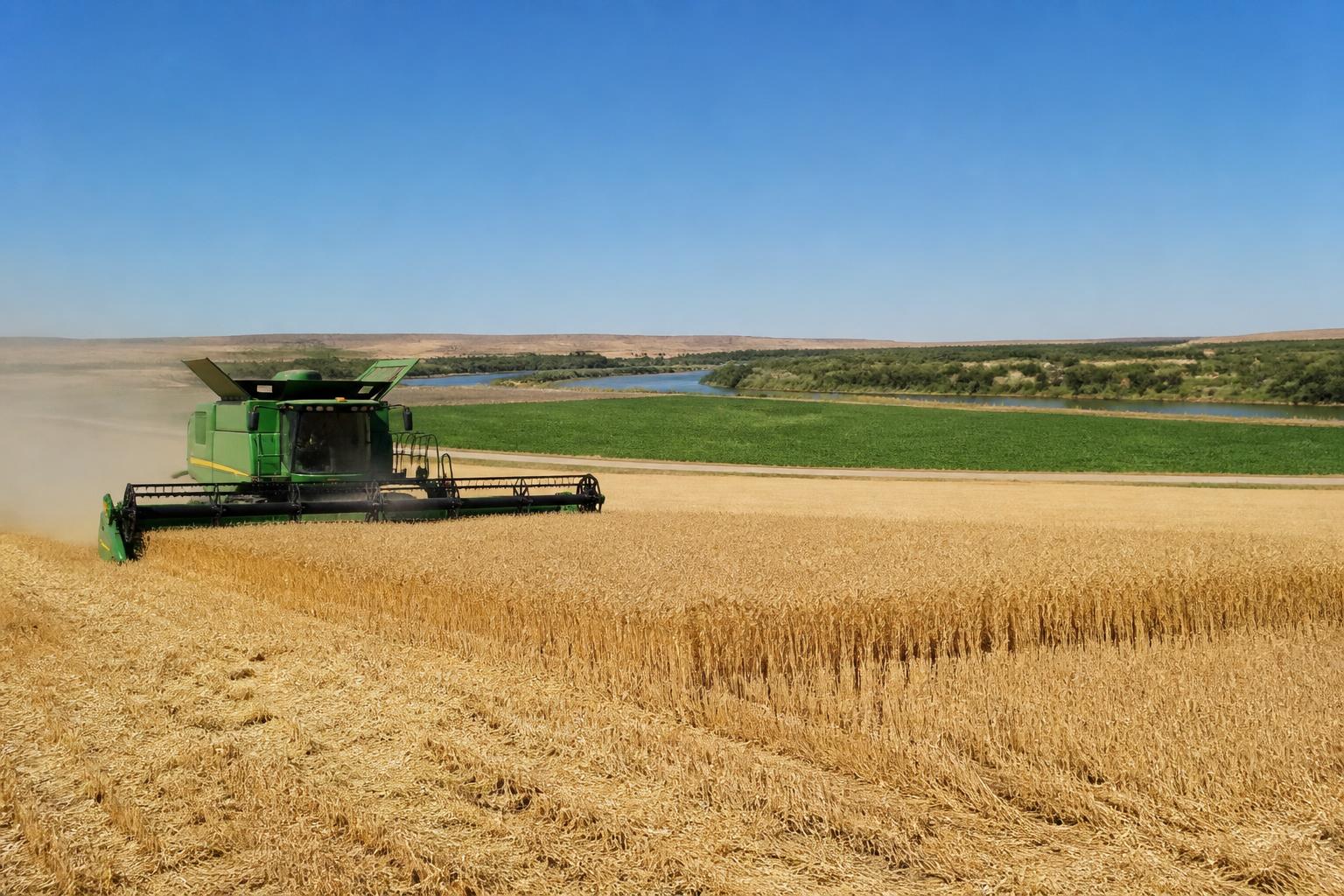
As Tennessee grain harvest activity increases, producers are balancing high-yield potential with the ongoing pressure of input costs and logistics management.
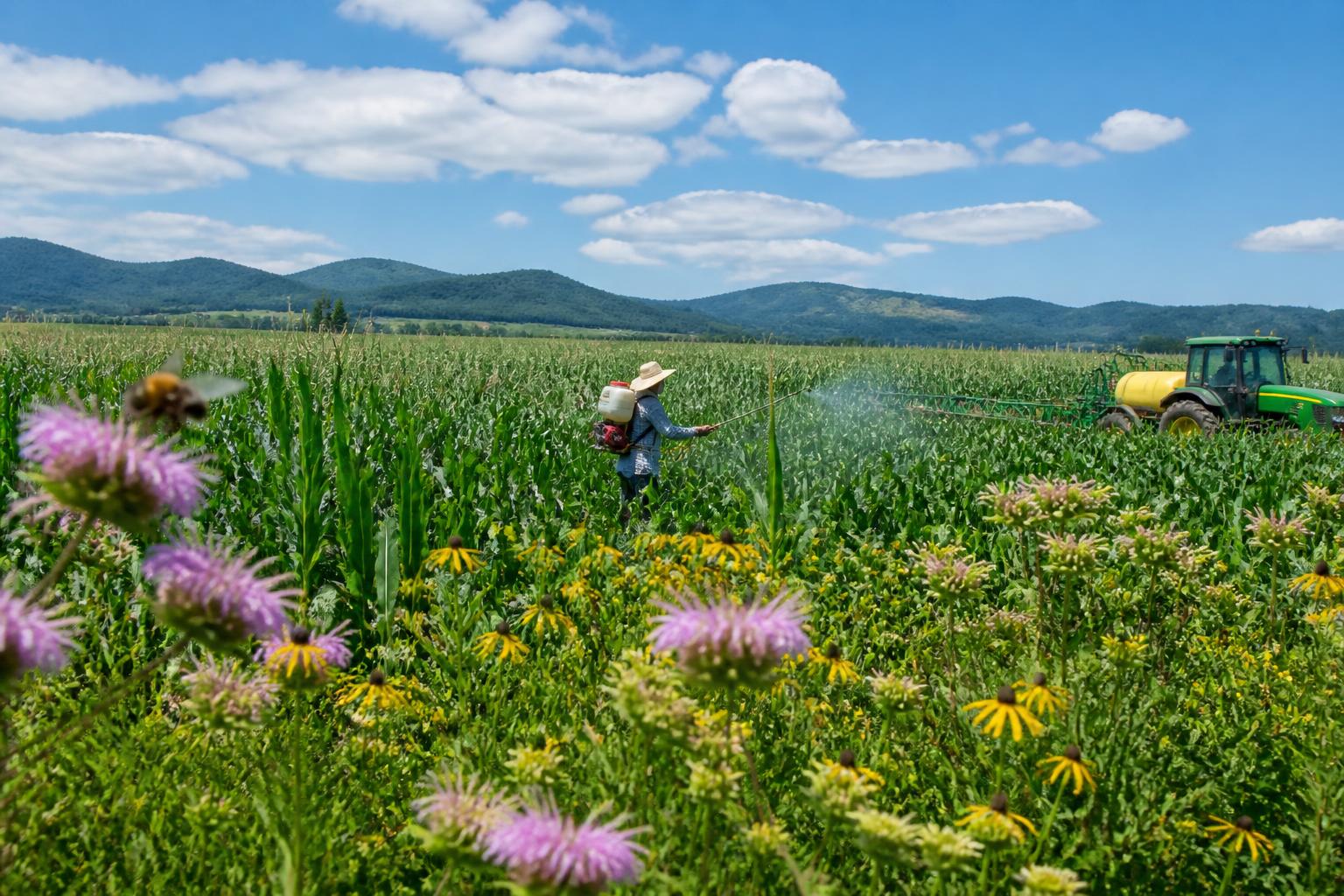
As Vermont corn reaches critical growth stages this August, farmers are balancing field management, nitrogen application timing, and shifting market demand to maximize yields.
As Florida growers navigate a challenging summer season, recent advancements in crop varieties and federal support for land and resource management are offering new pathways to long-term stability.
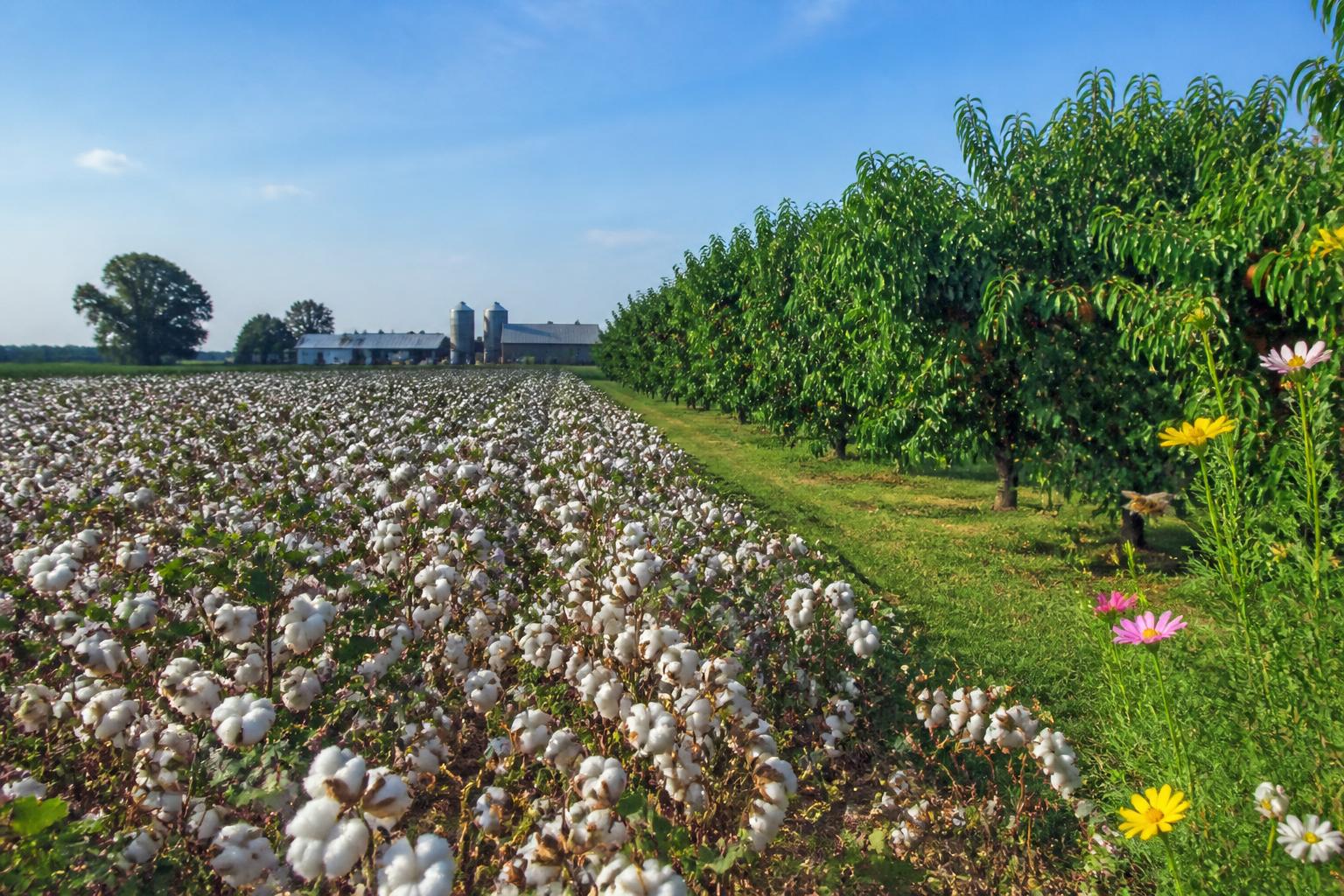
As South Carolina producers navigate the heat of late August, research into crop resilience and ongoing export activity at the Port of Charleston remain key focus areas for the state's agricultural community.
Florida growers are navigating seasonal input challenges by focusing on supply chain efficiency and exploring sustainable alternatives to manage overall fertilizer costs.
As Tennessee producers head into the late summer, shifting global market dynamics and rising pest concerns are shaping regional operational strategies.
As Colorado producers move through a busy summer cycle, managing water resources and efficient harvest logistics remains a priority for regional agribusiness.
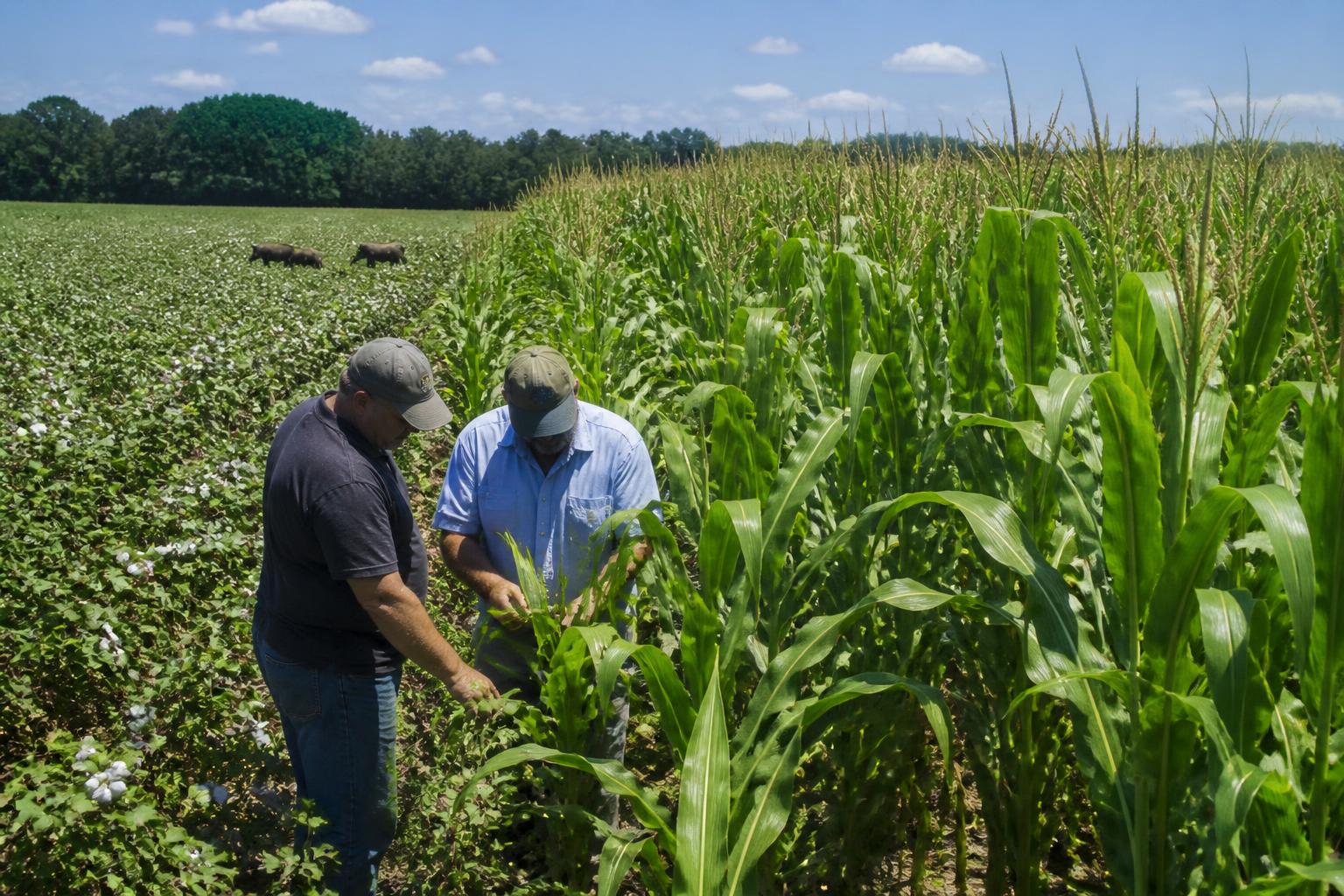
As Alabama producers navigate the peak of summer, they are balancing crop protection efforts, feral hog mitigation, and ongoing discussions regarding agricultural logistics and supply chain stability.
As Utah producers face ongoing water variability and pressure from urban expansion, regional market strategies are increasingly focused on water efficiency and land preservation.
Sign in to manage requests, save contacts and respond to market offers quickly.
Continue with Google Continue with MicrosoftSign in to manage requests, save contacts and respond to market offers quickly.
Continue with Google Continue with MicrosoftEnter your email and we will send a password reset link.
Don't have an account?
We value your privacy
We use cookies to run the site and, with your consent, to measure traffic (Google Analytics) and personalize ads. You can accept, reject, or choose. Privacy Policy