
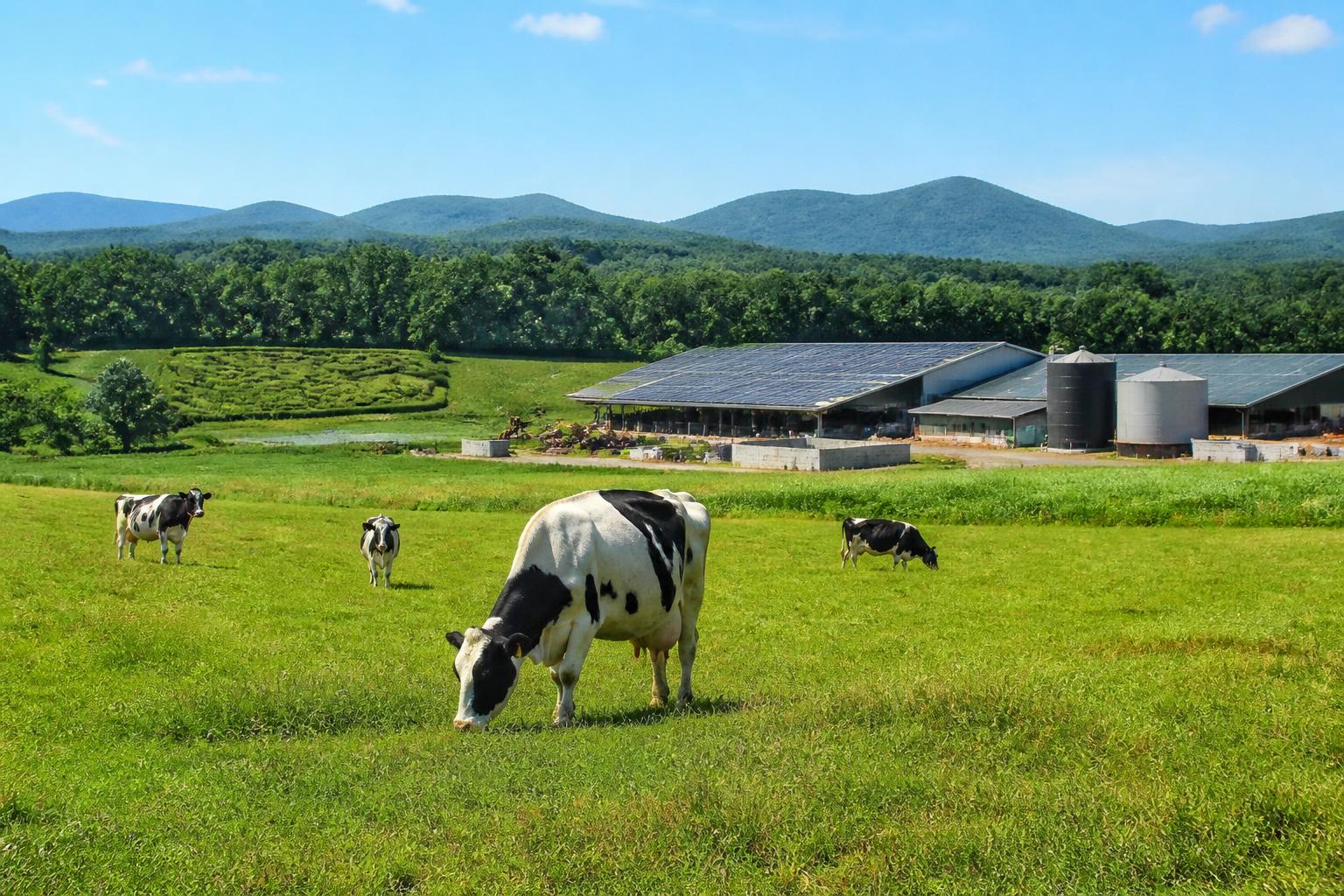
Vermont agricultural producers are currently navigating a complex season marked by persistent dry spells that continue to impact both livestock operations and forage viability. As regional conditions remain tight, producers are balancing the immediate demands of maintaining herd health with the long-term necessity of optimizing input efficiency. This environment has pushed many in the dairy sector to reassess standard management practices to mitigate financial strain while maintaining necessary production levels.
For many Vermont grain and forage producers, the current drought highlights the value of resilient crop selection and moisture-sensitive land management. As water tables face recurring pressure, there is an increased interest in technologies that optimize soil water retention and nutrient application, effectively helping to preserve yields in stressed conditions. Efficiency in these areas remains a critical lever for managing operational costs as producers work to navigate fluctuating commodity prices.
Advancing Sustainable Infrastructure
Beyond crop management, investment in infrastructure is emerging as a key strategy for mitigating environmental and financial risks. Recent initiatives across the state, including the development of facilities aimed at converting manure and food waste into renewable energy, signal a broader shift toward circular farming models. These projects not only address nutrient management and runoff concerns but also provide a potential buffer against volatile energy costs.
Improved waste storage and modernized handling technologies are increasingly seen as essential tools to protect water quality and comply with evolving regulatory expectations. For operators looking to stabilize their long-term position, these capital improvements can serve as a foundation for better nutrient recycling, reducing the need for costly external synthetic inputs. As highlighted in discussions on shifts in dairy feed strategies, the industry continues to evolve in response to both environmental pressures and the changing regulatory landscape.
What it means for the market
The convergence of dry weather and rising input management requirements suggests that cost-control remains the primary objective for Vermont agribusinesses this summer. Producers who prioritize water-resilient forage options and invest in energy-recovering waste systems may find themselves better positioned to weather the current cycle of market volatility. Moving forward, the focus will likely remain on integrating sustainable technology to offset the high costs of traditional inputs while safeguarding the natural resources essential to Vermont's farming future.
Comments
No comments yet - be the first to share your take.