
Sorghum Steps In as the "Camel of Crops"
Sorghum is gaining attention among local growers as an attractive alternative to traditional corn silage and grain. Known widely as the "camel of crops" due to its remarkable water efficiency, sorghum's deep root systems and ability to go dormant during dry spells make it highly resilient to summer heat waves. For dairy operations in Addison and Franklin counties, integrating sorghum or sorghum-sudangrass hybrids can provide a reliable source of high-yield forage when standard pasture grasses succumb to summer stress.
This shift toward hardy alternatives is part of a broader regional movement where growers are adopting innovative feed and storage strategies during heat waves to maintain high-quality milk production and manage feed inventory risks.
Falling Input Costs Offer Margin Relief
While weather challenges persist, some financial relief has arrived on the input side. Global fertilizer prices have fallen sharply, with urea dropping by $250 per tonne and Diammonium Phosphate (DAP) sliding below $900. For Vermont grain and forage producers, this downward trend in essential nutrients provides a welcome window to secure late-season inputs at more manageable rates, helping offset the rising costs of climate adaptation and specialized seed varieties.
Academic and Field Research Driving Resilience
Agricultural innovation in Vermont is increasingly backed by regional research. Organizations and institutions like the University of Vermont (UVM) continue to support agronomic advancement, highlighted by recent achievements like the Graduate Research Excellence Award given to UVM master's student Liliana Bettolo.
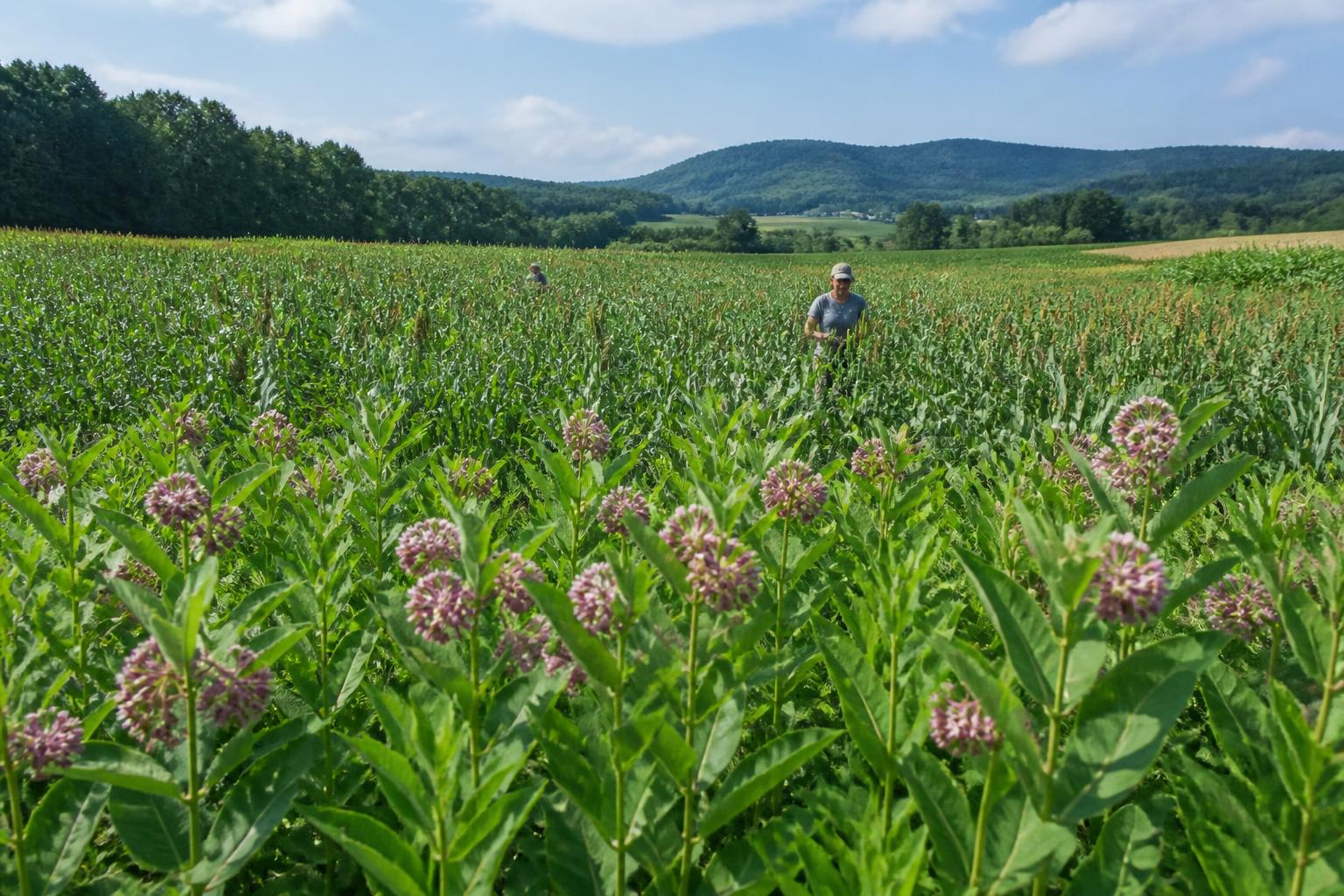
Additionally, local trial locations like Borderview Farm are evaluating climate-smart crop alternatives, including studies on milkweed, while institutions like Middlebury College explore agroforestry to diversify agricultural lands. These projects underscore a statewide push toward diversified cropping systems that can withstand unpredictable weather patterns.
Key Takeaways for Vermont Producers
- Consider climate-resilient alternatives: Sorghum and sorghum-sudangrass hybrids can secure essential forage supplies during hot, dry summer periods.
- Capitalize on input price drops: Monitor regional input suppliers as global urea and DAP prices continue to ease from historic highs.
- Watch dairy market demands: With Vermont's Four Girls Dairy recently named Dairy Farm of the Year and new USDA milk testing regulations in effect, maintaining feed quality remains paramount for milk-producing operations.
What it means for the market
The intersection of lower global fertilizer costs and a growing interest in climate-hardy crops positions Vermont farmers to build more resilient feed programs. As dry spells become a regular feature of the summer growing season, integrating crops like sorghum will help stabilize local forage supplies, ensuring that Vermont's critical dairy sector remains insulated from severe weather disruptions and volatile grain shipping costs.
Comments
No comments yet - be the first to share your take.