
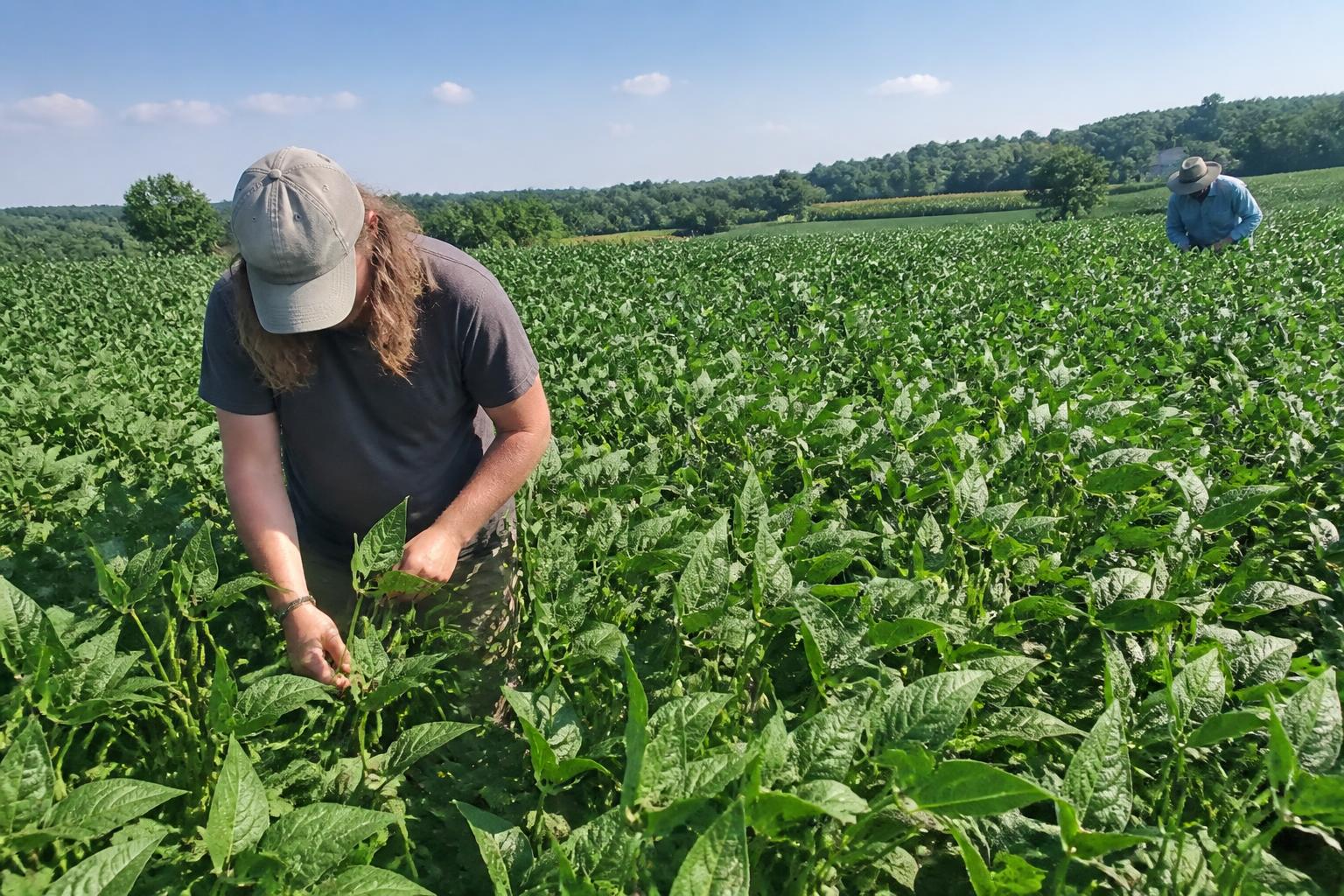
As Kentucky moves deeper into the summer, producers are increasingly contending with sustained extreme heat. These conditions are forcing a shift in field operations for specialty crops and grains alike, with many operators adjusting their daily schedules to shield workers and minimize heat-related stress on developing plants. Efficient management of these intervals is proving essential for maintaining yield potential across the Bluegrass and the state's diverse agricultural corridors.
Adapting to Summer Volatility
The current heat cycle highlights the importance of proactive crop management. For many specialty farmers, protecting sensitive produce from heat-related damage remains a priority, often involving adjusted irrigation schedules and early-morning harvest windows. Meanwhile, livestock producers and grain handlers continue to balance these environmental pressures with the broader logistics of regional feed runs, where timing the transit of inputs can be as critical as the harvest itself.
Long-Term Investments in Resilience
Despite the immediate challenges, the state continues to make strides in agricultural infrastructure. Research institutions are actively implementing drone technology and advanced logistics to better support local operations. Furthermore, the ground-breaking of new forage research facilities signals a commitment to long-term sustainability. These efforts, combined with ongoing advancements in fertility management and soil health, are designed to buffer the impact of seasonal weather extremes on Kentucky's core commodities.
What it means for the market
For Kentucky agribusinesses, the current environment necessitates a highly adaptive approach to supply chain management. With harvest-related logistics and input application timing now heavily influenced by weather volatility, maintaining high levels of communication across the supply chain is key. Monitoring local crop conditions and adjusting transport windows accordingly may offer competitive advantages in mitigating potential disruptions during the peak summer heat.
Comments
No comments yet - be the first to share your take.