
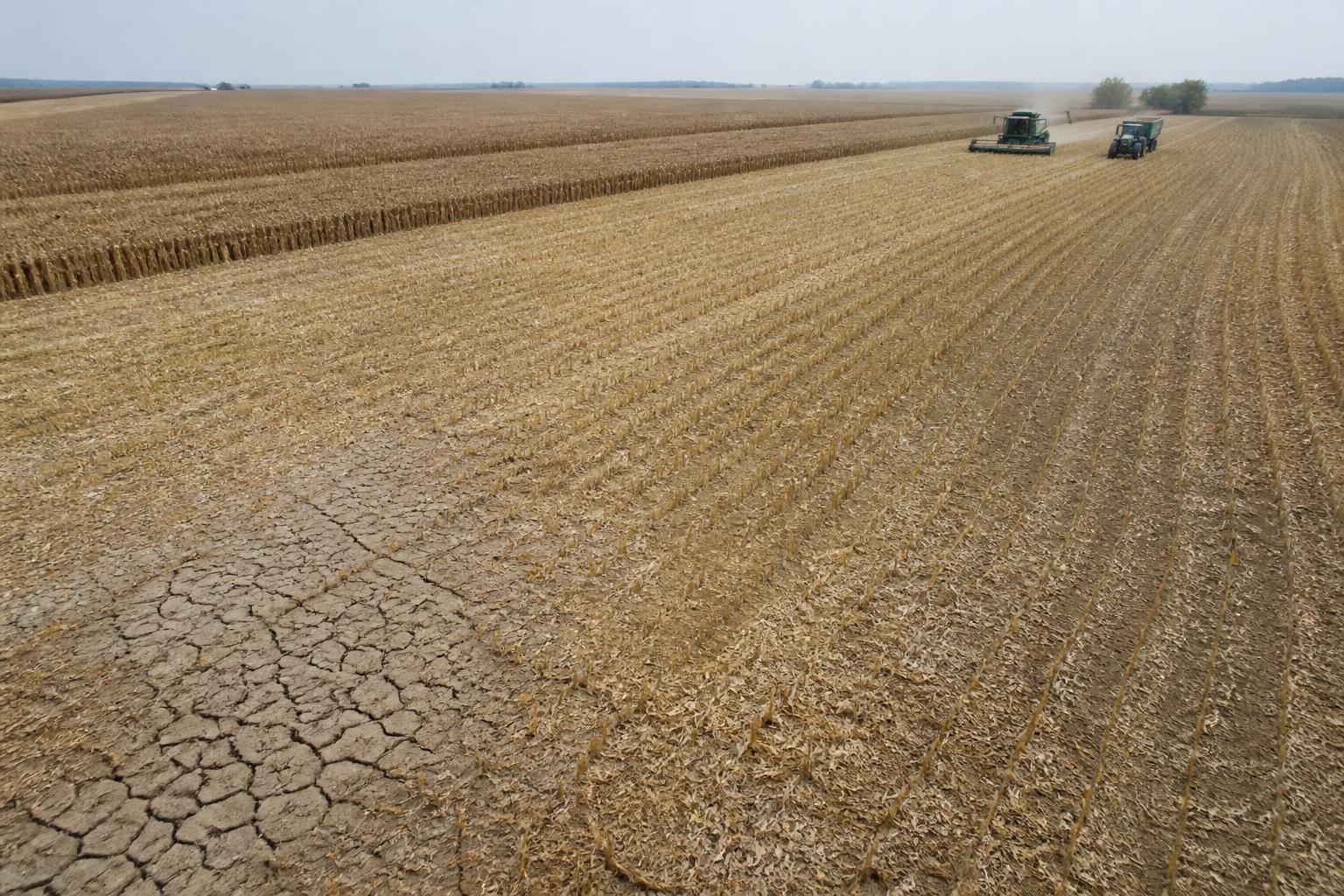
Adapting to Persistent Heat Stress
As we move through September, the agricultural landscape across Nevada continues to contend with lingering, above-average temperatures. These conditions are forcing growers to re-evaluate irrigation scheduling and water management strategies to mitigate potential stress on late-season crops. The ongoing reliance on shared water sources, such as the Colorado River system, remains a central point of discussion as producers balance immediate crop needs against long-term resource availability.
Water Management and Infrastructure Concerns
Efficient water use has become the focal point of current field operations. With weather patterns showing continued volatility, many producers are looking toward precision irrigation techniques to maximize every acre-inch of water. Furthermore, the regional logistics of agricultural transport are being monitored closely, as weather events can quickly impact the movement of goods from rural counties to major distribution hubs. Ensuring that field equipment is properly maintained during this intense period is vital to avoiding costly harvest delays.
Market Outlook and Operational Strategy
While the immediate focus is on surviving the late-summer heat, Nevada agribusinesses are also keeping an eye on input costs and the potential for shifts in global supply chains. Rising interest in sustainable inputs and localized processing capacity continues to evolve as a potential hedge against broader economic volatility. Producers are encouraged to maintain lean inventories and prioritize field scouting to detect pest or moisture issues early, allowing for timely, localized interventions rather than broad-spectrum applications.
What it means for the market: For the Nevada farmer and agribusiness operator, the takeaway is clear: flexibility is paramount. The combination of heat-stressed crops and complex logistics demands a proactive approach to resource management. By optimizing water distribution and staying informed on local supply chain bottlenecks, stakeholders can better safeguard their margins as they navigate the remainder of the harvest season.
Comments
No comments yet - be the first to share your take.