
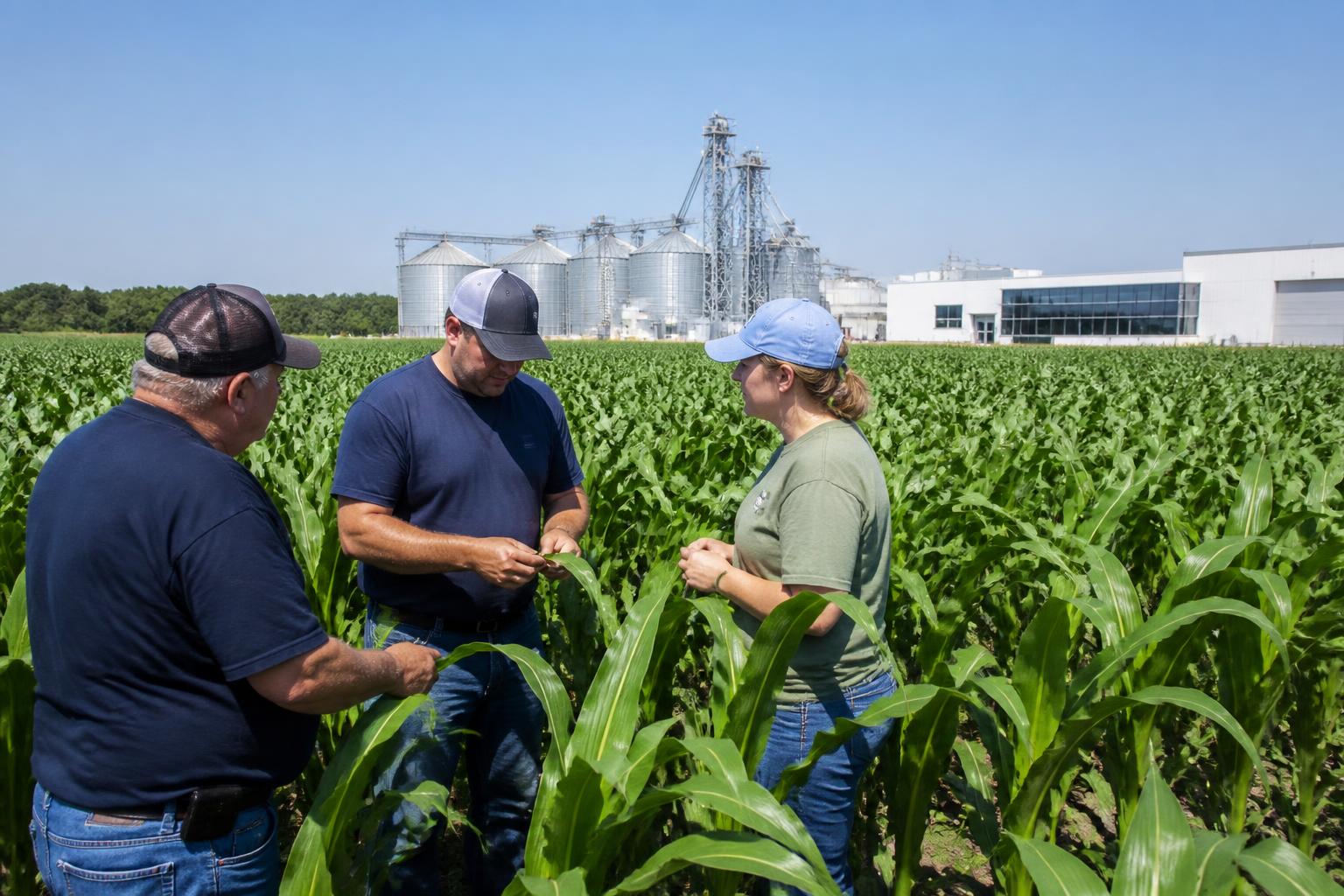
As Kentucky positions itself at the intersection of agricultural technology and traditional production, the logistics of moving feed and grain across the state are taking center stage. With Kentucky corn production marking an upward trajectory compared to previous seasons, regional grain handlers and carriers are adjusting to heavier hauling volumes. This increase in local grain supplies directly supports the state's robust livestock sector, driving a surge in short-haul trucking demand across major corridors like I-65, I-75, and rural state routes.
The operational landscape is shifting as the Kentucky Corn Growers Association formally joins the Kentucky Livestock Coalition. This partnership underscores the deeply integrated nature of the state's agricultural economy, where local grain serves as the primary fuel for poultry, cattle, and swine operations. For transport providers, this means a steadier, more localized demand cycle, requiring precise coordination between crop elevators and livestock feeding operations throughout the summer months.
Navigating the Summer Feed and Grain Hauling Surge
With more bushels to move, agribusinesses are focusing heavily on road-readiness and carrier availability. The pressure is on to transport grain efficiently from storage bins to regional feed mills. For fleet operators, managing the hot summer conditions requires careful planning around driver hours, equipment maintenance, and route optimization. Trucking operations often target early morning hours to avoid peak heat, which can stress both truck tires and liquid cooled engines hauling heavy loads.
Many operations are relying on modern fleet management tools to streamline these short-haul loops. Farmers and commercial carriers are closely monitoring the local logistics infrastructure to avoid bottlenecks at unloading terminals. To better understand how these dynamics play out during the warmer months, operators can review the Kentucky summer grain logistics and regional demand solutions, which details the regional supply pressures and transport adaptations currently in play.
Bridging Crop Yields and Animal Feed Demands
The alliance between corn growers and livestock producers highlights a key domestic market buffer. Rather than relying solely on volatile river-export markets along the Ohio River, Kentucky growers are increasingly channeling their grain directly into local feed bins. This shift keeps transport miles shorter but increases the frequency of regional shipments, placing a premium on reliable local hopper-bottom and bulk-feed delivery fleets.
However, maintaining this local pipeline requires adequate storage infrastructure to handle the crop before it is trucked to feedlots. Some producers have invested in on-farm expansion to manage supply flow throughout the year. Those looking to optimize their logistics setup can find useful context on mitigating market pressures in this overview of Kentucky storage innovations and infrastructure growth.
AgTech Integration in Kentucky Fleet Logistics
Kentucky's broader push to establish itself as a prominent agricultural technology hub is also spilling over into the logistics sector. From GPS-guided route planning to advanced grain-moisture sensors that dictate optimal shipping windows, technology is helping carriers reduce empty miles. Local fleets are starting to adopt digital dispatching platforms that connect grain elevators with available independent drivers in real time, reducing dwell times at both loading and unloading points.
Key Takeaways for Kentucky Ag Carriers
- Increased Local Volume: Higher year-over-year corn yields are translating into more consistent short-haul feed runs.
- Strategic Alignment: The partnership between corn growers and the Livestock Coalition solidifies domestic demand pipelines.
- Infrastructure Focus: Optimizing on-farm storage and utilizing local shipping corridors reduces delivery bottlenecks during peak summer.
- Tech Adoption: Digital dispatch and routing tools are becoming essential for maintaining tight delivery schedules.
What it means for the market
For Kentucky grain growers, livestock producers, and the carriers who connect them, the current shipping season emphasizes efficiency over distance. The strong alliance between grain and livestock groups ensures a steady domestic home for Kentucky's corn crop, stabilizing local basis levels and keeping trucks moving within state lines. As high summer temperatures persist, agricultural transporters who leverage digital dispatching and prioritize preventative fleet maintenance will be best positioned to capture steady freight margins before the fall harvest rush begins.
Comments
No comments yet - be the first to share your take.