
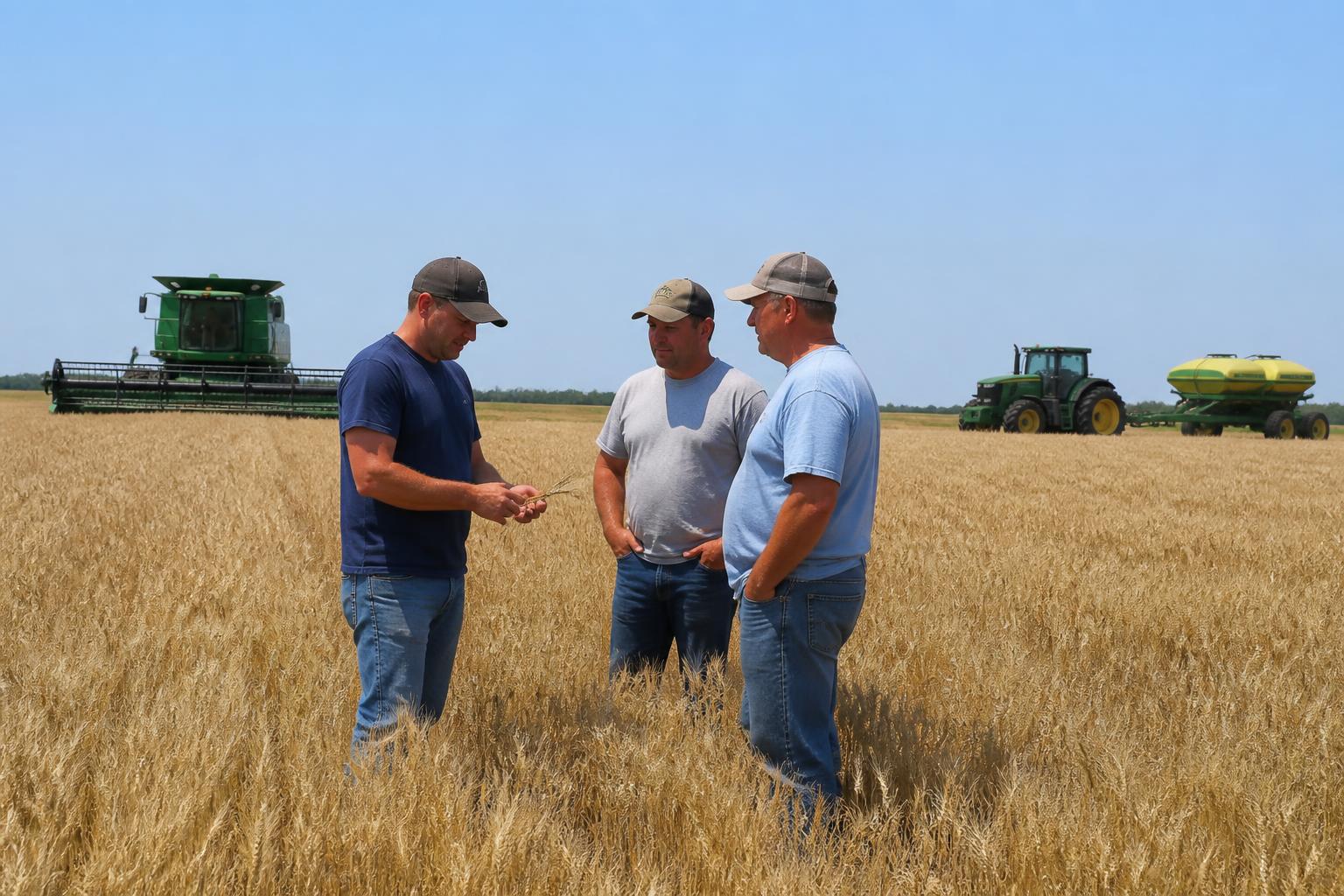
In Massachusetts, the mid-summer period remains a critical window for crop management and input evaluation. While local growers continue to refine their nutrient application strategies to optimize late-season yields, the broader agricultural sector is increasingly attentive to innovations in fertilizer technology and the logistical complexities that often define the regional supply chain.
For those managing operations across the state, from the fertile fields of the Pioneer Valley to smaller regional plots, the shift toward next-generation fertilizers represents a potential transition in how nutrient efficiency is approached. These emerging products, often designed for improved uptake and reduced environmental footprint, may soon offer local producers new ways to manage soil health amidst varying summer weather patterns.
Evaluating Supply Chain Stability
Logistical reliability remains a cornerstone of successful agricultural operations in the Commonwealth. Fluctuations in global trade dynamics and shifting tariff landscapes can indirectly influence the accessibility of essential inputs. For Massachusetts agribusinesses, staying informed on these broad trends is essential, particularly as they anticipate future procurement needs. Farmers who emphasize long-term crop protection and technology strategies are often better positioned to mitigate the risks associated with market volatility.
The Future of Nutrient Efficiency
Research into potassium sources and engineering-forward fertilizer solutions points toward a future where efficiency is prioritized alongside volume. As new materials for potassium-based inputs emerge from research initiatives, producers may find opportunities to adjust their fertilizer programs. While many of these advancements are currently in development, they underscore a broader industry trend toward maximizing every pound of input applied to the field.
What it means for the market
For the Massachusetts producer, the current landscape suggests that staying agile is as important as the crops themselves. While direct market impacts are often felt at the regional level through pricing and availability, the focus remains on leveraging efficiency to offset potential volatility. Moving forward, keeping a close watch on regional logistical trends and the adoption of high-efficiency input technology will likely be the most effective hedge against supply chain unpredictability.
Comments
No comments yet - be the first to share your take.