
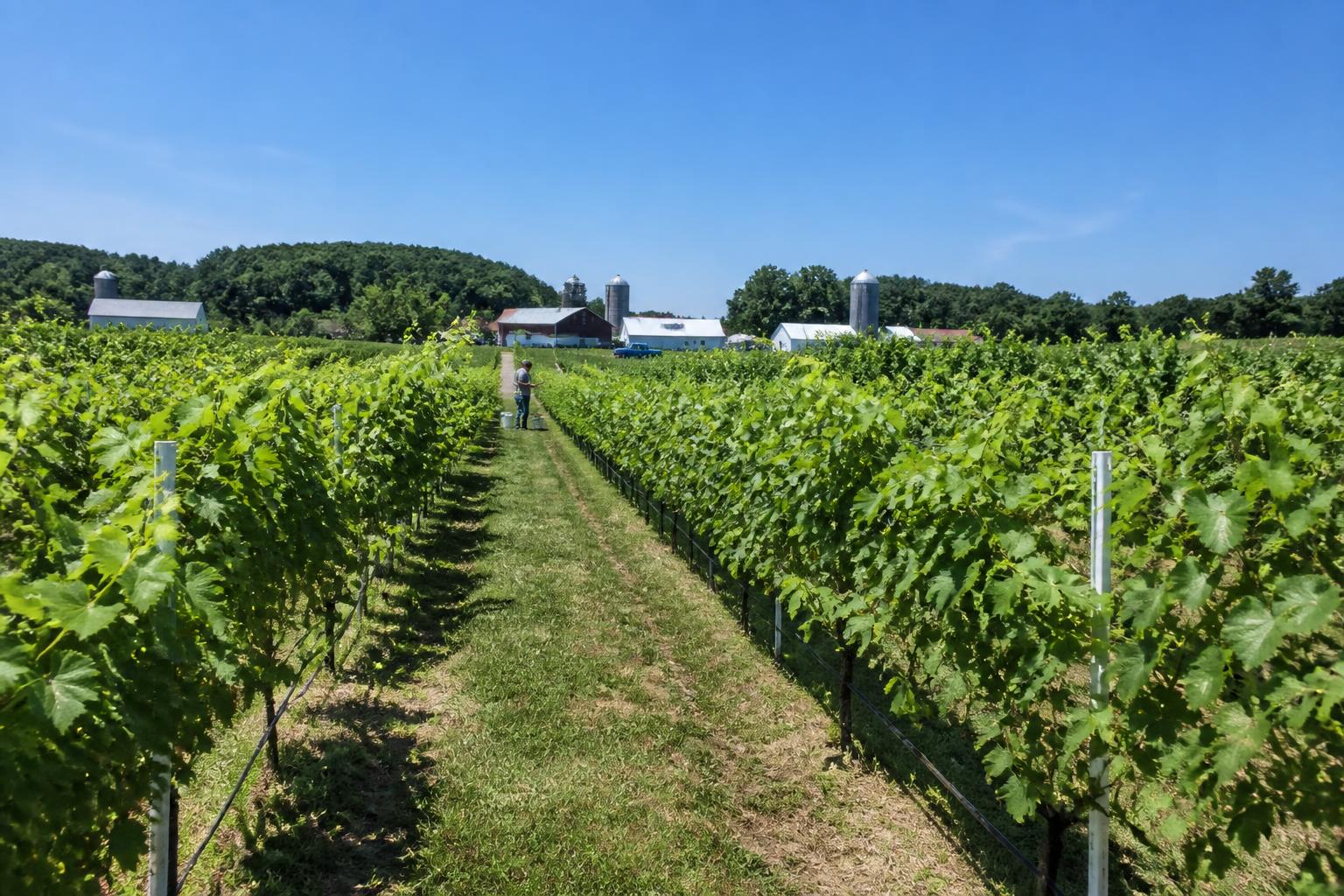
As the mid-summer season progresses, Pennsylvania producers are finding themselves in a challenging position. With field activities in full swing, agricultural stakeholders are balancing the typical demands of the growing season against persistent concerns surrounding market stability. Trade-related uncertainties and fluctuating international demand continue to weigh on the minds of those moving product, particularly as growers navigate a landscape influenced by both local conditions and broader national policy shifts.
Weather Impacts and Crop Performance
The variable nature of the Pennsylvania climate remains a primary concern for grain handlers and farmers alike. In many of the Commonwealth's primary growing regions, such as the fertile valleys spanning the state, managing crop health requires vigilant monitoring of moisture levels and pest pressure. While current conditions are generally being managed, the potential for volatility in the market is often exacerbated when weather patterns deviate from historical averages during critical development stages.
The Road Ahead for Regional Agribusiness
For agribusinesses and logistics providers, maintaining a flexible supply chain is paramount. The current Pennsylvania grain transport and market outlook suggests that regional operators are increasingly prioritizing risk management. By diversifying partnerships and closely tracking regional supply movements, handlers are better equipped to mitigate the impact of the trade uncertainty that has clouded the sector in recent years. This focus on operational resilience is becoming a hallmark of local operations that successfully navigate periods of low commodity price certainty.
What it means for the market
For those involved in the Pennsylvania grain sector, the current environment necessitates a dual focus on operational efficiency and cautious financial planning. While direct external factors like trade tariffs remain outside the control of individual growers, the emphasis on local market cooperation and optimized logistics serves as a vital buffer. Producers should stay informed on both regional supply trends and policy developments to make timely decisions throughout the remainder of the summer months.
Comments
No comments yet - be the first to share your take.