
Adapting to Evolving Input Regulations
For Vermont farmers, the summer season brings a heightened focus on field management and regulatory compliance. With ongoing scrutiny surrounding agricultural inputs, operators across the state are reassessing their crop protection strategies. This period is critical for those balancing productivity with the state's stringent environmental standards, especially as recent policy shifts have begun to influence the availability of certain weed control options. For many, finding sustainable alternatives that maintain yield performance without compromising soil health is no longer optional but a central pillar of operations.
Diversification as a Risk Mitigation Tool
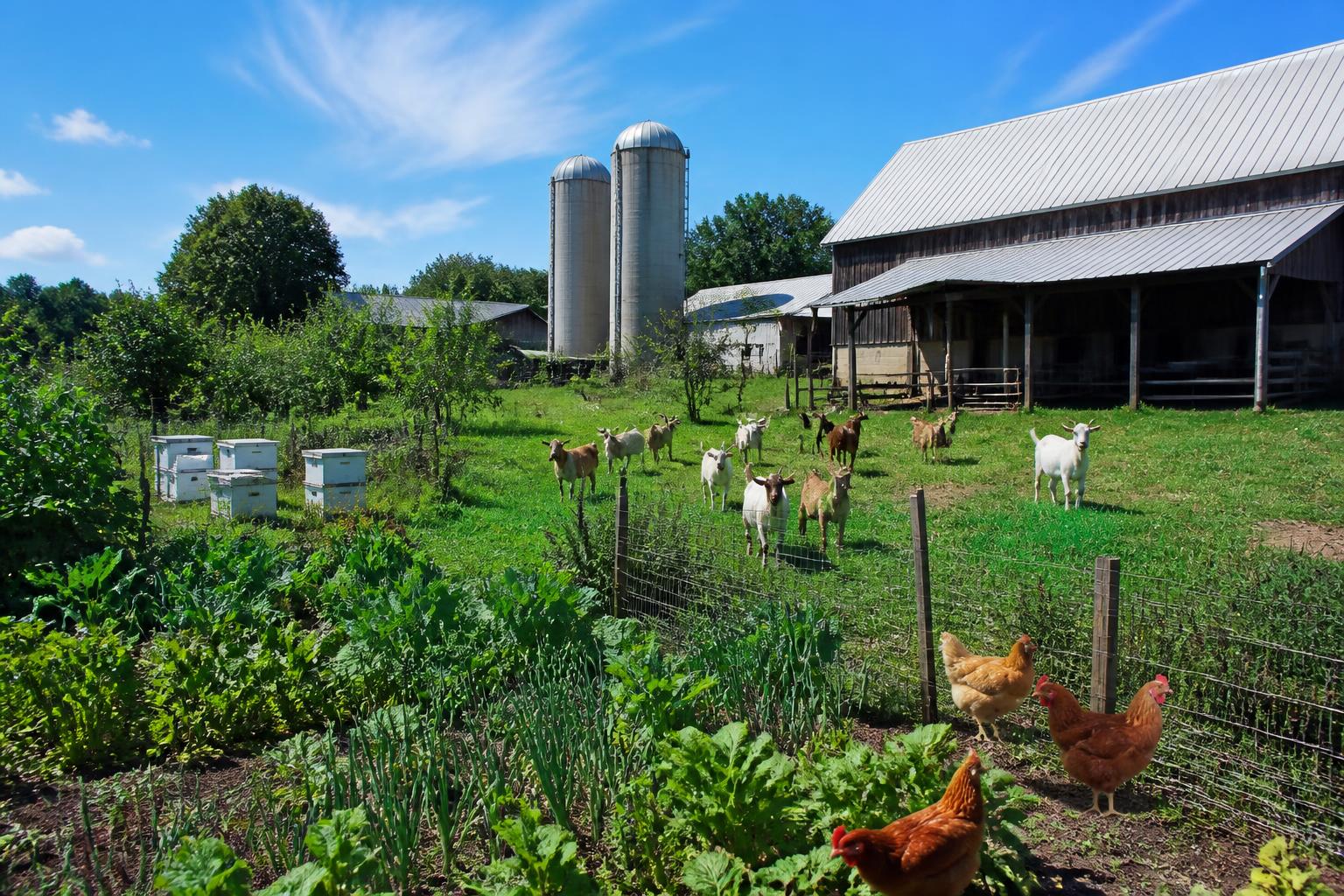
The challenges facing Vermont agriculture, from volatile weather patterns to shifting input costs, have pushed many producers toward greater operational diversity. Across regions known for forage and specialty grains, some managers are exploring market-driven crop diversification to shield their bottom lines from regional climate variability. This move toward flexibility often includes evaluating different livestock rotations or pivoting toward higher-value niche crops that may offer a more resilient return than traditional monoculture systems.
Logistics and Field Operations During the Peak Season
As summer field work continues, the coordination of equipment, transport, and labor remains a complex task. From the fertile bottomlands to the rolling hills of dairy country, farmers are working to optimize machinery performance and manage the logistics of supply delivery and harvest preparation. For those integrating new technology or expanding operations, maintaining focus on soil integrity and efficient input use remains vital to surviving the current economic environment. Being mindful of regional transit routes and seasonal weight restrictions on local rural roads is also a recurring necessity for those hauling inputs and harvested goods in mid-summer.
What it means for the market
The current landscape suggests a pivot toward more precise, sustainable agricultural management. Producers who prioritize long-term soil viability and explore diverse revenue streams are likely to find themselves better positioned to weather the fluctuations inherent in the regional market. As regulatory environments tighten, the ability to pivot to new chemical or operational standards will serve as a key differentiator for successful agribusinesses in the state.
Comments
No comments yet - be the first to share your take.