
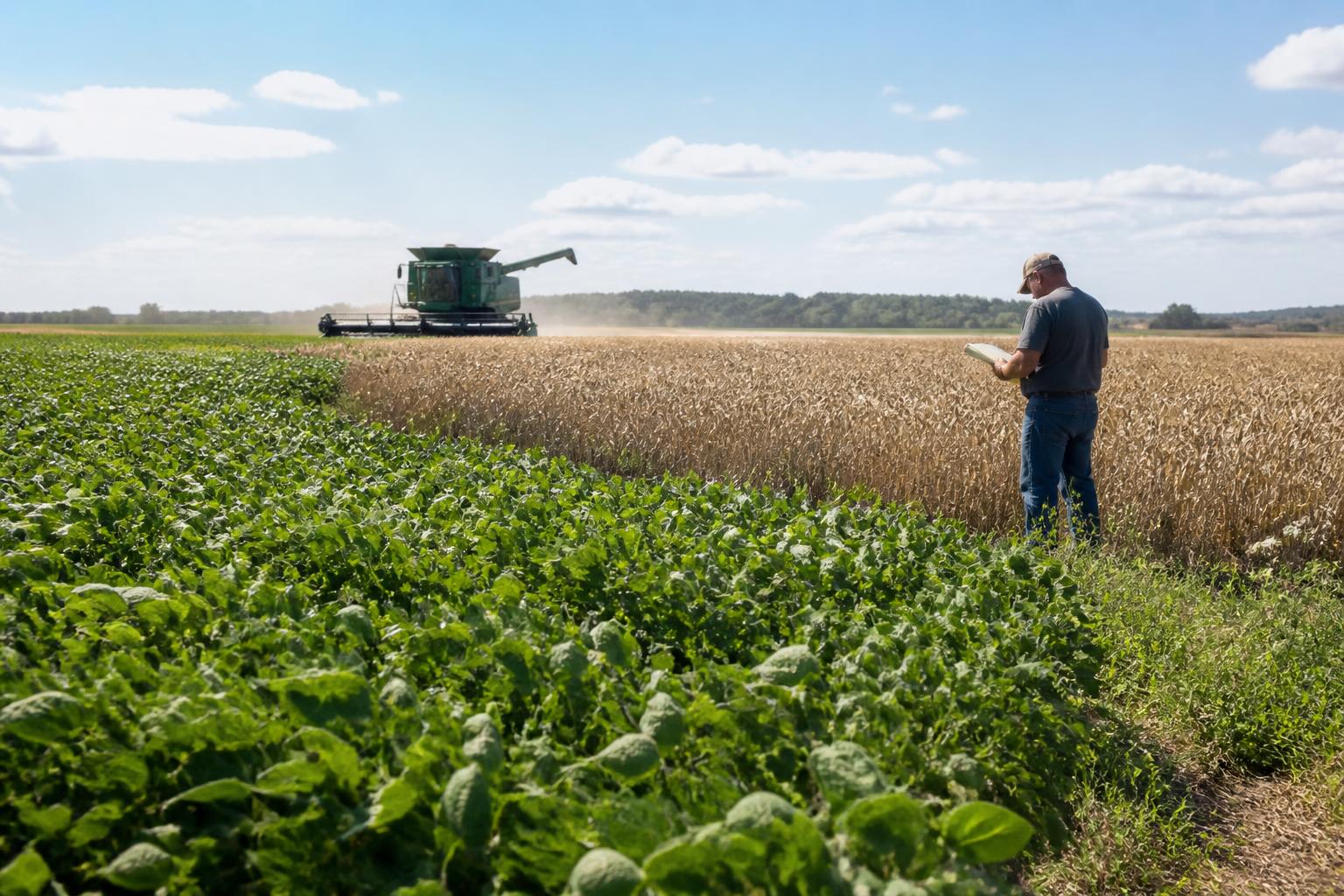
Mid-summer brings a distinct set of challenges for Maryland’s agricultural logistics networks. As producers monitor field progress, the focus often shifts toward optimizing the movement of goods from rural hubs to regional processing facilities. Ensuring that storage and transport capacity is aligned with current output is critical for maintaining margins during this active phase of the growing season.
Sustainable Advancements in Regional Hauling
Maryland agribusinesses are increasingly exploring ways to integrate sustainable practices into their logistics chains. Recent industry shifts have seen a move toward 100% biodiesel-powered fleets, aimed at reducing the carbon footprint of regional grain and input transport. For fleet managers, these updates represent an effort to modernize equipment while balancing the rising demand for efficient, reliable trucking in rural corridors, particularly across the Eastern Shore.
Infrastructure and Future-Proofing
As state agencies continue to invest in agricultural facilities, such as the ongoing development of animal health laboratories, the broader goal remains the enhancement of Maryland's supply chain resiliency. These physical improvements can help mitigate bottlenecks that often occur during peak periods. Growers and logistics providers in counties bordering major distribution arteries should stay informed about regional infrastructure upgrades, as these projects may impact seasonal route planning and local hauling efficiency.
Key Takeaways
- Fuel Innovation: Adoption of biodiesel technology is providing new options for heavy-duty agricultural transport.
- Facility Growth: New regional laboratory and processing investments are signaling long-term support for state livestock and grain sectors.
- Strategic Planning: Monitoring local road conditions and facility updates remains essential for those moving heavy harvest loads through Maryland's primary corridors.
What it means for the market: For Maryland farmers and handlers, this summer is defined by a transition toward smarter, more sustainable logistics. As the state infrastructure matures and clean-energy fleets become more prevalent, operators who align their hauling schedules with these evolving logistical improvements may find themselves better positioned to manage seasonal volatility and rising transport costs.
Comments
No comments yet - be the first to share your take.