
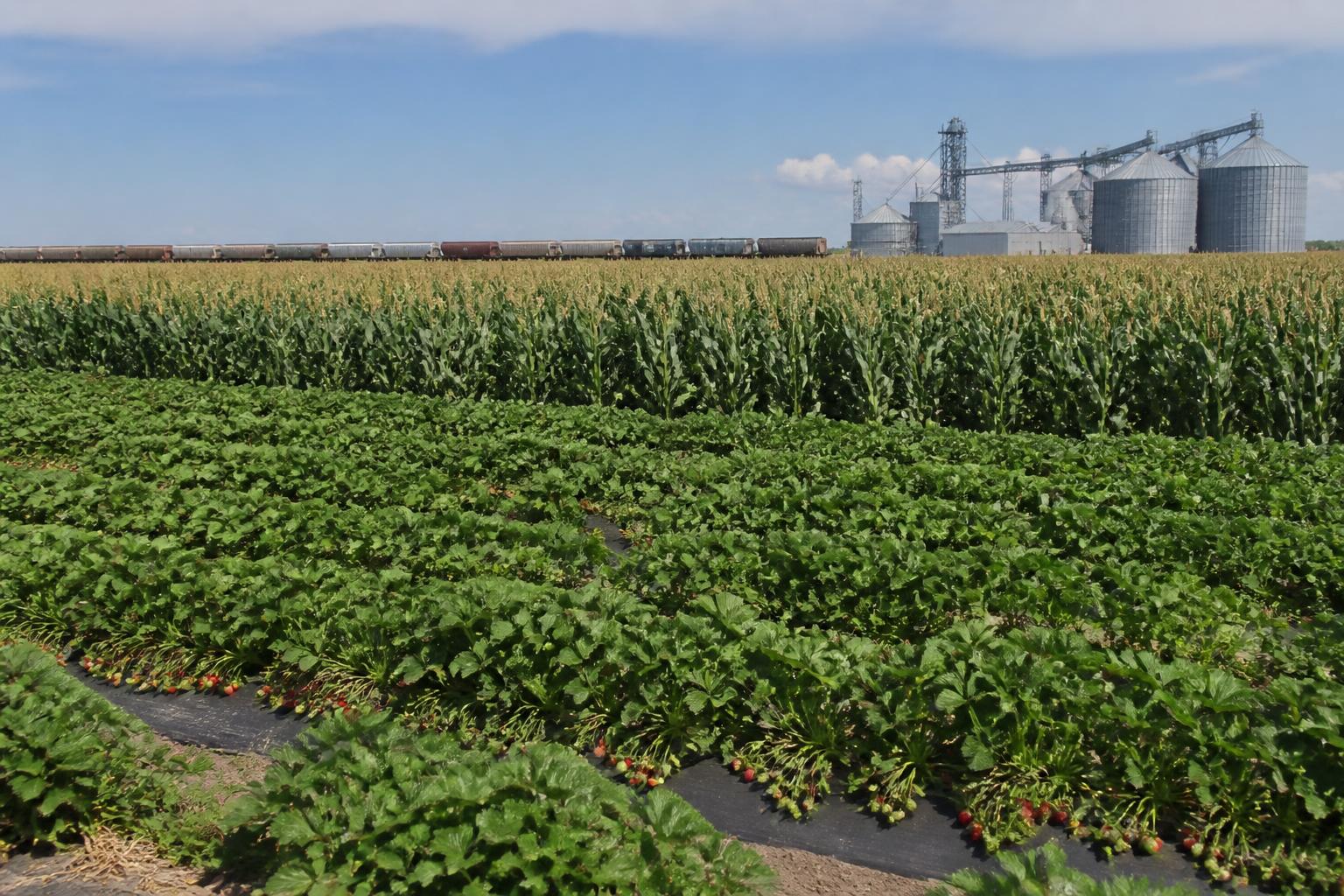
Mid-summer in Kansas brings a familiar intensity to the countryside as harvest operations accelerate. For local grain handlers and trucking fleets, the season is defined by the need for tight coordination between on-farm storage and the broader rail network. While the state's expansive rail infrastructure remains a vital artery for moving regional commodities, recent shifts in North American freight logistics have placed additional focus on how quickly product can transition from the elevator to its final export destination.
Aligning Rail Capacity with Export Needs
The role of major rail corridors in moving Kansas grain has seen continued evolution. Integrating grain flow with major freight carriers is no longer just a matter of scheduling; it is a complex puzzle involving regional elevator capacity and global demand. In many parts of the state, efficient movement depends on the synergy between short-line operators and mainline services. This logistical landscape is critical as shippers look to optimize their transit times amidst fluctuating international market signals that can shift quickly depending on global geopolitical tensions.
Managing Input and Operational Costs
Beyond the immediate pressures of harvest, Kansas agribusinesses are keeping a close watch on the underlying economics of the supply chain. Conversations among local producers and facility managers often center on the sensitivity of fuel and fertilizer costs, which can fluctuate in response to global market volatility. For many in the industry, understanding these broader market shocks is essential when planning for the next planting cycle, especially as energy markets remain tied to developments in distant transit chokepoints.
Building Resilience in the Kansas Supply Chain
As industry stakeholders look toward upcoming events like the annual agricultural growth summit, the focus remains on long-term infrastructure stability. Whether it is refining grain logistics for local export demands or adopting specialized techniques to protect sensitive crops from seasonal weather extremes, the ability to pivot is a recurring theme for Kansas operations. Maintaining a flexible logistics strategy remains the best defense against the uncertainty inherent in the current market environment.
What it means for the market
For grain handlers and carriers, the current environment demands a proactive approach to capacity management. By staying informed on rail network updates and monitoring global cost drivers, businesses across the state can better navigate the logistical challenges of the summer season. Keeping a lean operation and maintaining strong communication with local rail providers will likely remain the most effective ways to mitigate the impacts of broader market volatility on regional profit margins.
Comments
No comments yet - be the first to share your take.