
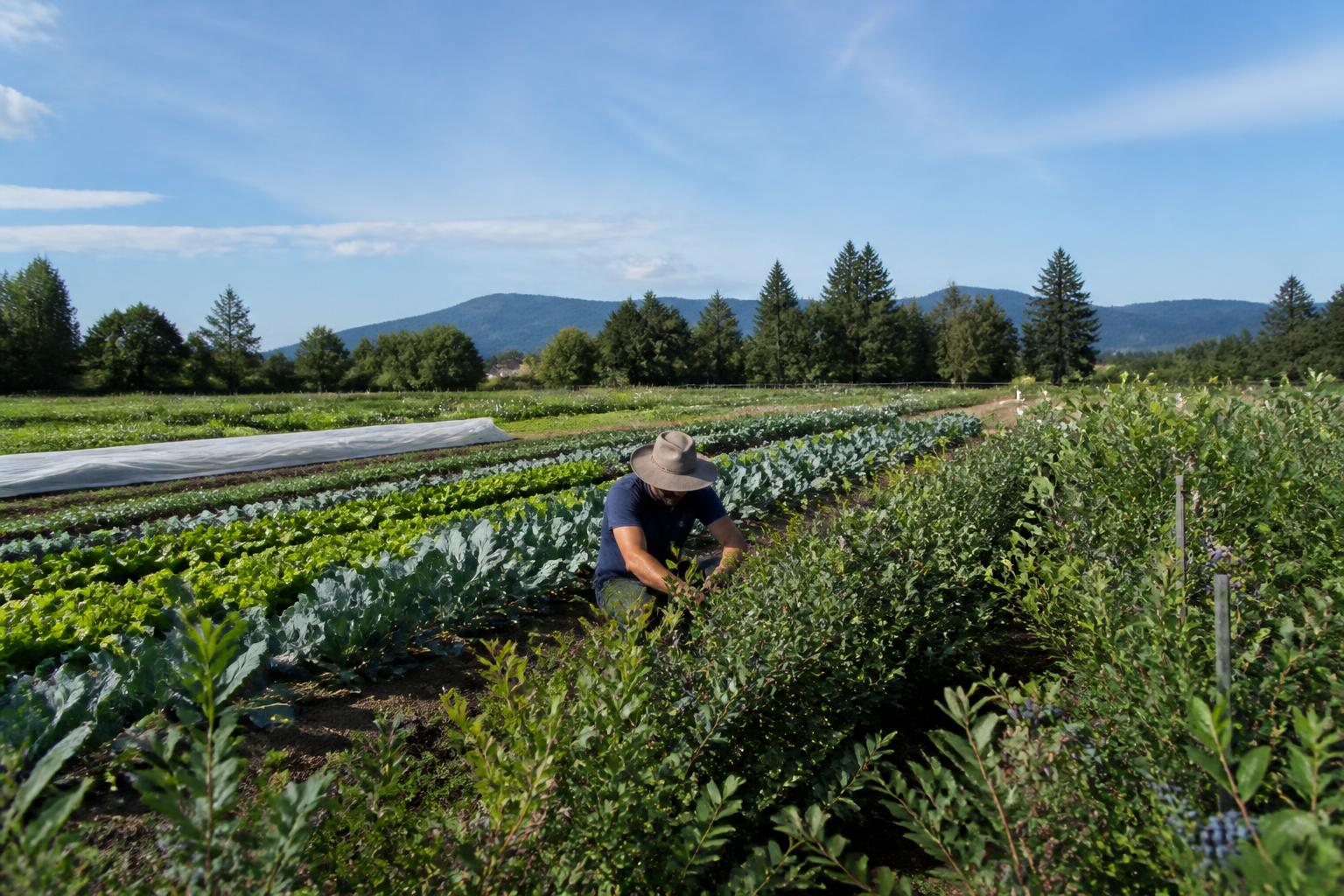
Mid-summer in Oregon often serves as a critical observation window for producers assessing their remaining nutrient requirements. While the primary application windows for many Willamette Valley row crops have passed, current logistical shifts and infrastructure investments are already shaping the conversation for upcoming seasons. Producers are increasingly monitoring global supply chains, as large-scale developments, such as the construction of major regional potash terminals, may eventually alter the flow of inputs into Pacific Northwest ports.
Managing Input Volatility in a Shifting Market
Agribusinesses across the state continue to manage the lingering uncertainty that can accompany broad economic shifts. Whether navigating the complexities of specialized organic fertilizer sourcing or securing conventional inputs for orchard crops, regional farmers are balancing immediate needs with long-term financial forecasting. Strategic procurement remains a priority, especially as Oregon producers look to maintain the high quality of specialty goods that distinguish the state's agriculture on a global scale.
The Importance of Regional Logistics
The movement of essential agricultural inputs often relies on a fragile network of regional transport corridors. In places like the Willamette Valley and along coastal shipping routes, consistent access to reliable supply channels is vital. As discussed in our recent analysis on Oregon agriculture logistics, the stability of trade infrastructure directly impacts the bottom line for local elevators and independent farmers alike. Understanding these logistics is crucial for ensuring that fertilizers reach the farm gate when conditions are optimal for application.
What it means for the market
For Oregon growers and input buyers, the current market environment demands a proactive approach to supply management. While specific price fluctuations are inherently difficult to predict, focusing on local distribution relationships and staying informed about regional infrastructure upgrades can help mitigate risks. As we head further into the summer, maintaining lean, efficient operational workflows will be essential to protecting margins against broader market volatility.
Comments
No comments yet - be the first to share your take.