Oregon Fertilizer and Input Outlook: Preparing for Fall Soil Needs
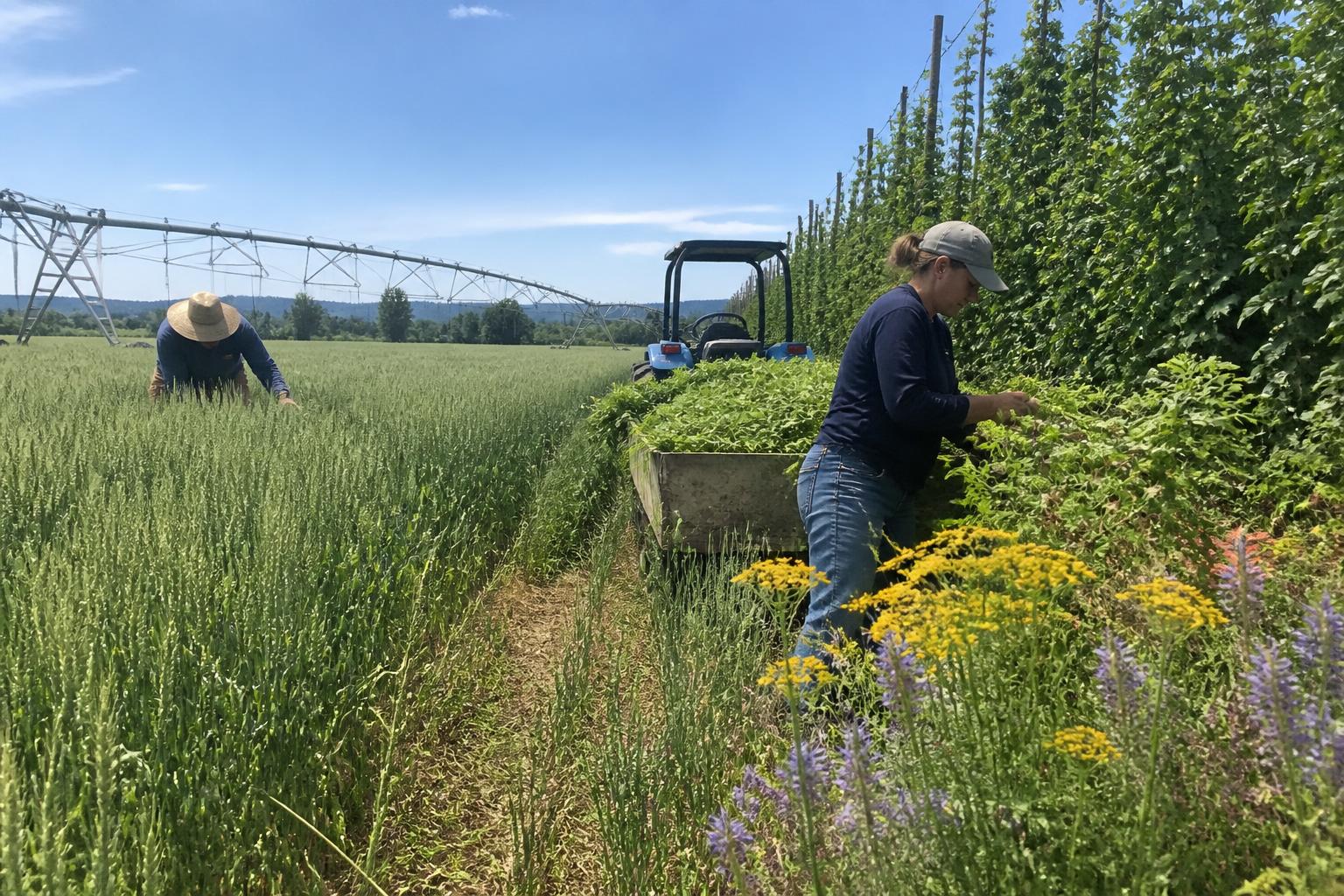
As Eastern Oregon growers look toward upcoming cycles for specialty crops like hops and onions, managing input costs and local logistics remains a priority for the regional sector.
We collect original digests and analytical notes based on facts, market signals and verified sources.
Oregon farmers face a tightening budget landscape as rising diesel prices impact harvest logistics and input planning for the coming season.
As Eastern Oregon growers look toward upcoming cycles for specialty crops like hops and onions, managing input costs and local logistics remains a priority for the regional sector.
Oregon's agricultural sector sees a dual focus on expanding domestic fertilizer production capacity and navigating evolving nitrate monitoring requirements.
As fall operations continue across Oregon, producers are navigating a landscape marked by new milling infrastructure, evolving regulatory fee structures, and ongoing logistics challenges.
Oregon's grain market maintains steady price levels this fall, with producers balancing domestic demand and regional export logistics as harvest activity continues across key corridors.
As Oregon's agricultural sector navigates complex regulatory shifts and environmental challenges, producers are increasingly adopting sustainable strategies to maintain market competitiveness.
Oregon's regulatory landscape for crop inputs remains in flux as lawmakers weigh new fertilizer reporting requirements, impacting long-term planning for regional agribusinesses.
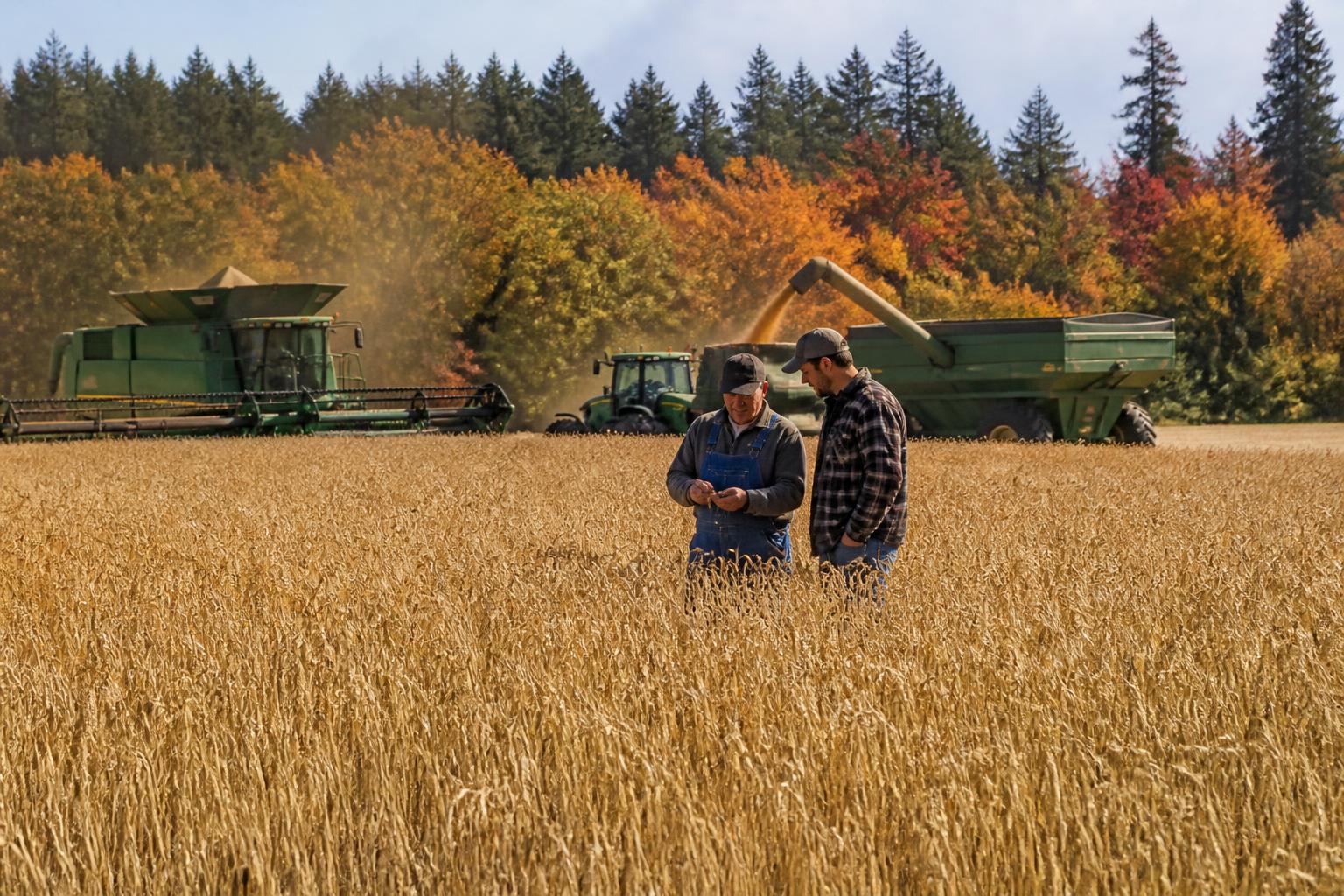
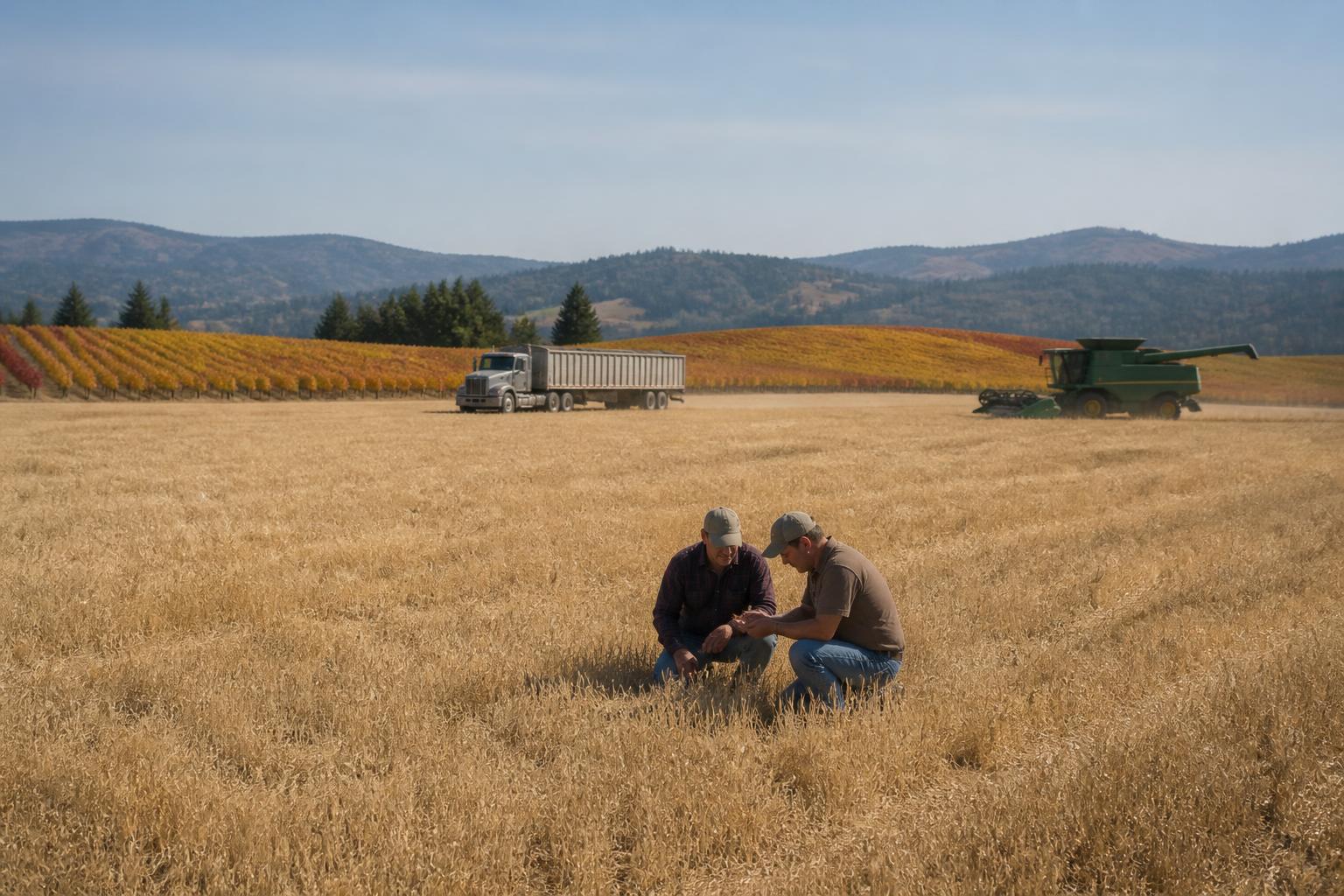
Oregon grain growers are managing a complex harvest season defined by high-quality yields but persistent market price challenges.
Recent shifts in Oregon's agricultural sector, including retail consolidation and evolving environmental compliance, are reshaping how local producers manage their operations this fall.
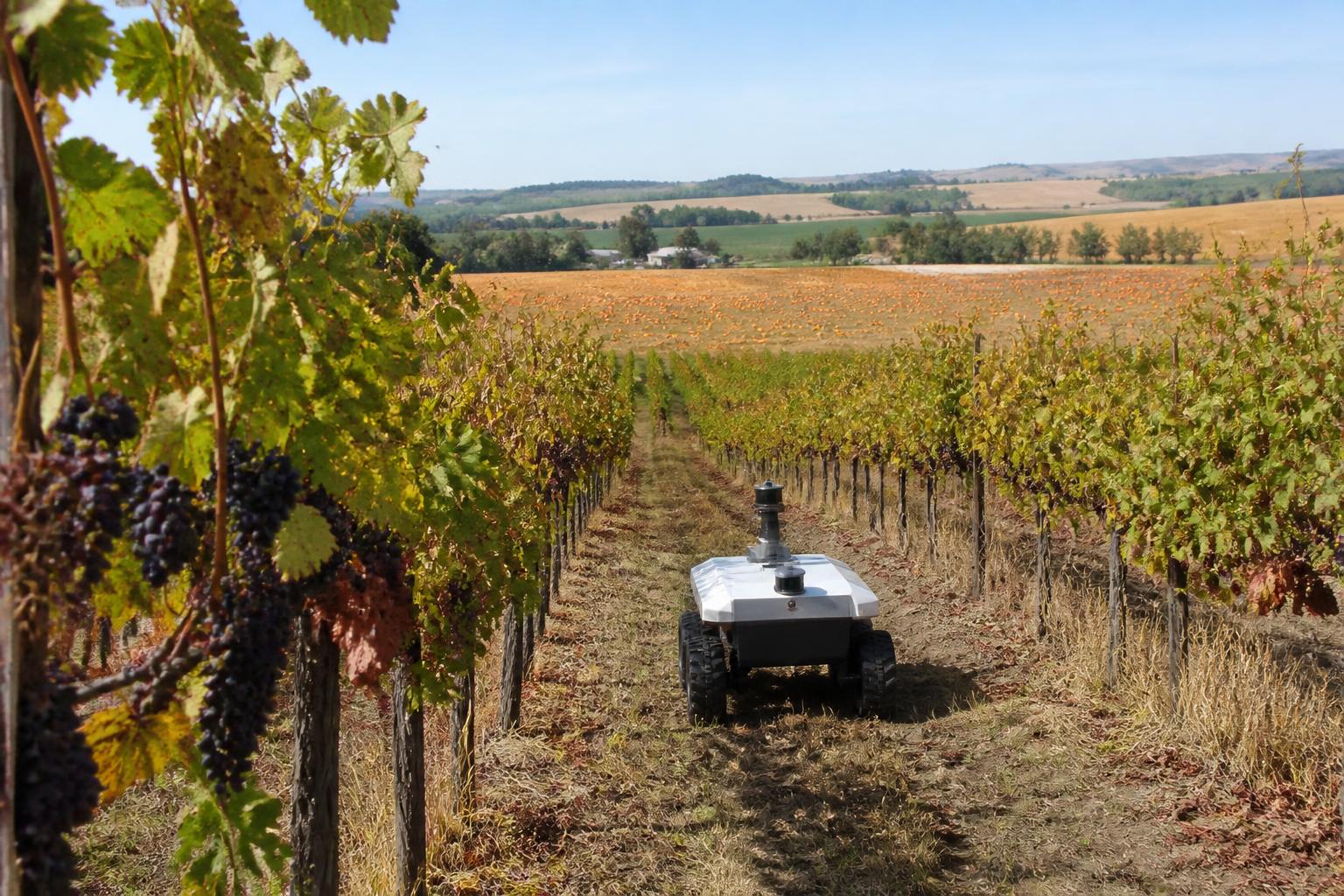
Oregon growers are navigating shifting environmental regulations and pest pressures this fall by leveraging emerging robotics and advanced soil management research.
Oregon’s agricultural supply chain faces a complex autumn as producers contend with delayed rail infrastructure projects and rising costs for essential inputs.
As fall operations commence across Oregon, producers are navigating evolving input costs, infrastructure transitions, and a renewed focus on precision management to ensure harvest and production stability.
Oregon producers face a complex environment as regional field protection rules evolve, requiring careful navigation of crop selection and integrated management practices.
Sign in to manage requests, save contacts and respond to market offers quickly.
Continue with Google Continue with MicrosoftSign in to manage requests, save contacts and respond to market offers quickly.
Continue with Google Continue with MicrosoftEnter your email and we will send a password reset link.
Don't have an account?
We value your privacy
We use cookies to run the site and, with your consent, to measure traffic (Google Analytics) and personalize ads. You can accept, reject, or choose. Privacy Policy