
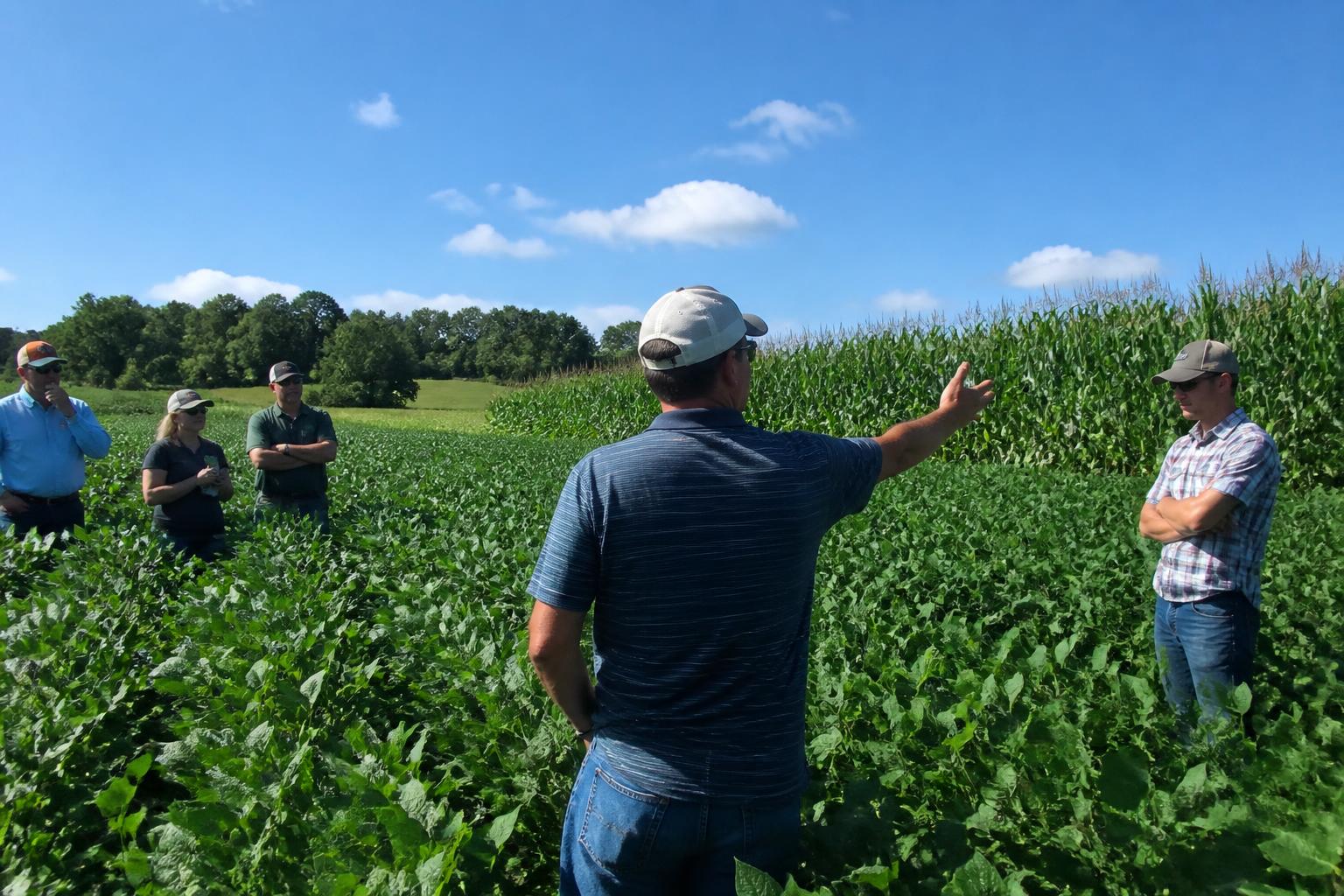
As Kentucky farmers move through the mid-summer growth stages, the agricultural landscape remains defined by a blend of environmental monitoring and supply chain vigilance. Field conditions in key regions have necessitated careful observation of crop health, particularly as producers navigate the risks posed by moisture stress and potential pest pressures. From the rolling hills of the Bluegrass region to the river bottoms, maintaining yield potential requires an increasingly data-driven approach to integrated pest management.
Managing Input Costs Amid Market Volatility
For those managing nitrogen and other essential nutrients, the broader market environment remains challenging. Recent data suggests that price trends for many major fertilizers are trending upward compared to last month. This creates a difficult environment for those adjusting mid-season nutrient applications. Strategies that emphasize precision fertility management are proving essential, helping growers tighten their margins as they navigate global supply chain hurdles and regional price fluctuations.
Environmental Monitoring and Protection
Summer in Kentucky often brings unpredictable weather patterns, ranging from intense heat to localized flooding, both of which can compromise corn and soybean development. Growers are increasingly turning to regional weather tracking platforms to make more informed decisions regarding field operations. Furthermore, with the ongoing threat of armyworm outbreaks and the persistent challenge of herbicide-resistant weeds, the integration of advanced scouting and targeted application remains a priority for producers looking to protect their seasonal investment.
What it means for the market
The convergence of higher input costs and environmental stressors signals a tight margin season for Kentucky grain handlers and growers. Producers who can leverage real-time data to optimize input efficiency and react quickly to regional pest alerts will be better positioned to mitigate the risks currently impacting the broader Corn Belt and local row crop sectors.
Comments
No comments yet - be the first to share your take.