
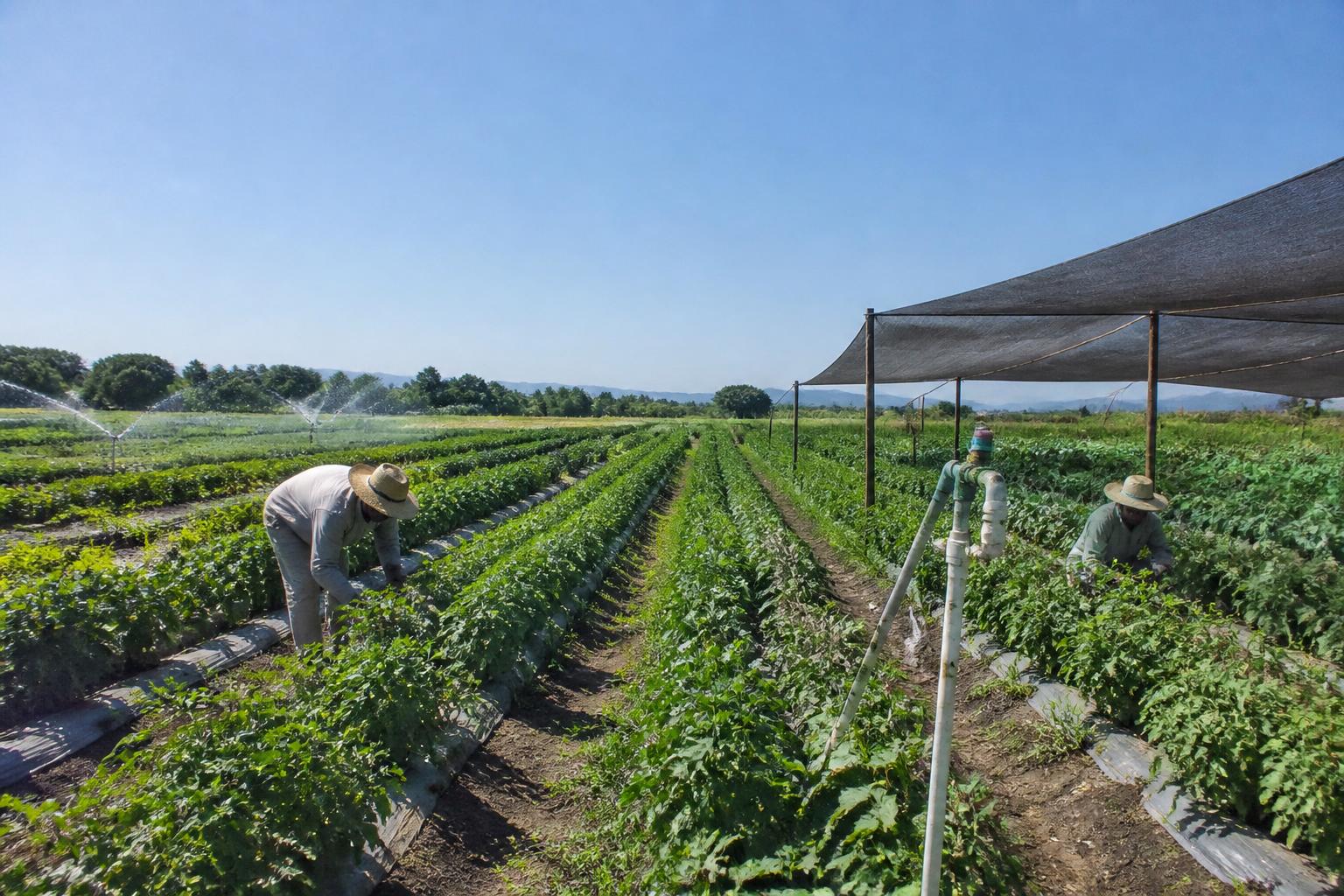
As the summer harvest cycle gains momentum across Washington, logistics coordinators and farm managers are balancing complex operational shifts. Recent industry reports suggest that labor availability remains a critical focal point for agricultural supply chains, particularly as regional transload capacity fluctuates. For growers moving specialty crops through major corridors like I-90 and the I-5 route, the stability of freight support systems is essential for maintaining efficient flow to port terminals.
Regulatory Pressures on Carrier Capacity
The agricultural transport landscape is currently navigating potential adjustments in workforce eligibility. Recent shifts in federal commercial driver licensing rules may influence the available driver pool for short-haul and regional agricultural trucking. For firms already managing razor-thin margins, these changes could lead to increased pressure on freight costs as specialized carriers adapt to new compliance frameworks.
These developments come at a sensitive time for the regional supply chain, where Washington growers are already working to overcome persistent logistics bottlenecks that can delay product movement during peak output windows. Maintaining reliable contact with independent haulers and localized transload facilities may prove vital as the harvest progresses.
Adapting to Operational Variability
In addition to labor and policy hurdles, producers continue to face the ongoing challenge of managing climate-sensitive crop cycles while keeping transport timelines aligned. Whether moving grain through the Columbia Basin or shipping perishable produce toward the coast, successful operations typically rely on proactive communication between field managers and logistics partners. Keeping transport plans flexible and ensuring equipment maintenance is up to date remains a standard, yet critical, practice during the summer heat.
What it means for the market
For agribusinesses and grain handlers in Washington, the current environment signals a need for increased logistical scrutiny. Growers should anticipate that tightening labor pools could persist throughout the harvest, potentially impacting spot rates for trucking. Developing diversified transport strategies now may help hedge against sudden disruptions to the traditional flow of goods throughout the state.
Comments
No comments yet - be the first to share your take.