
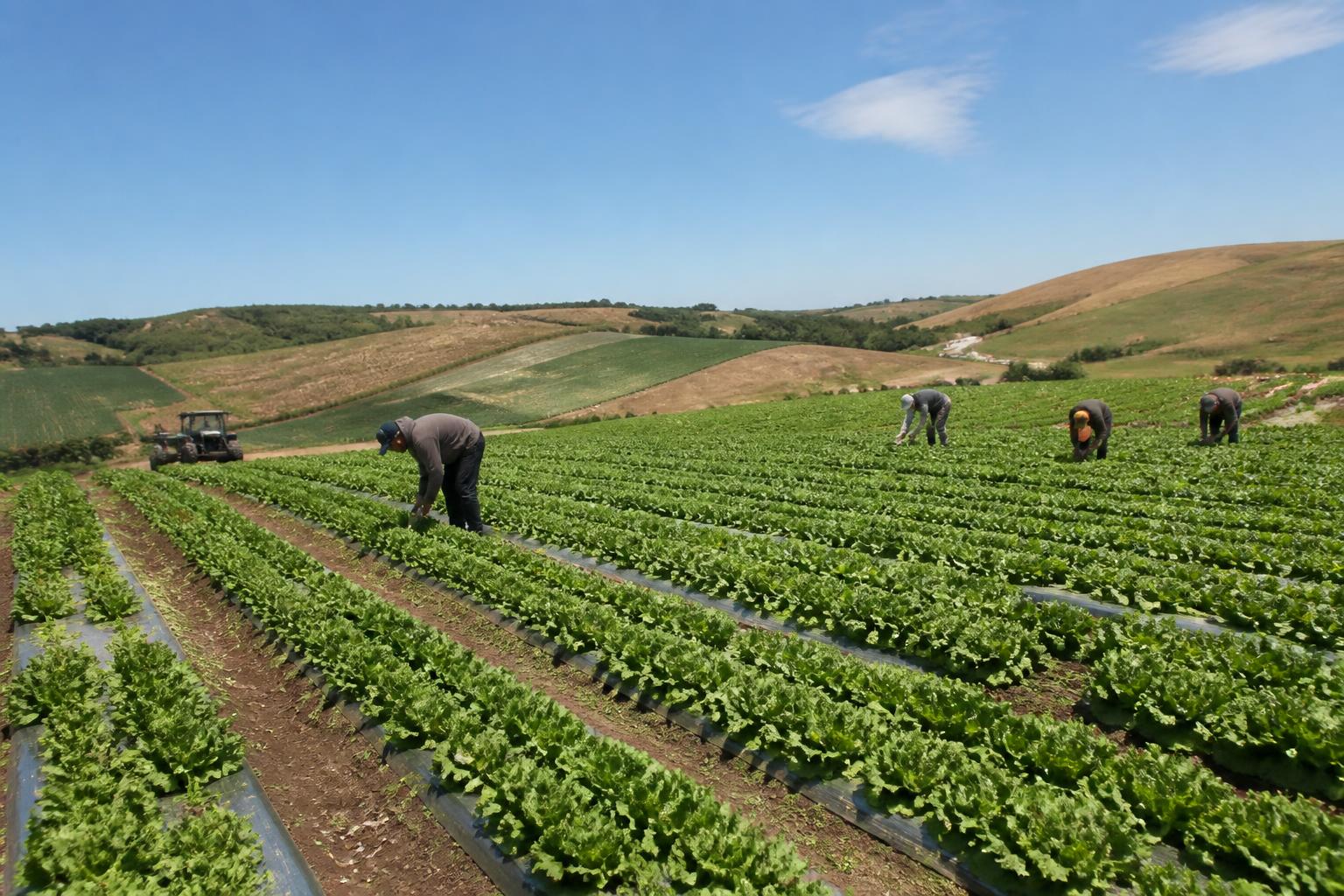
Mid-summer is a pivotal window for California agriculture as harvest operations ramp up across the state's diverse growing regions. With the season now in full swing, local growers, grain handlers, and input buyers are navigating an increasingly complex logistics landscape. The movement of commodities from the San Joaquin Valley to coastal ports remains a vital pulse for the regional economy, though the pace of operations is often dictated by shifting labor availability and stringent regional oversight.
Effective logistics and supply chain management are essential for maintaining margins during this period of high activity. Whether coordinating the transport of early-harvest yields or staging for later crops, agribusinesses are finding that regional infrastructure, including key highway corridors and terminal access, requires precise scheduling to avoid peak congestion and meet delivery windows.
Regulatory and Resource Constraints
The operational environment for California producers is shaped by a confluence of long-term and immediate pressures. Regulatory compliance continues to be a central focus, as state commissioners and sealers of weights and measures monitor equipment and input standards to ensure market equity. Beyond regulatory oversight, the industry is closely monitoring utility stability, as rising demand from external sectors—such as the regional expansion of data centers—may place additional strain on the power grids that rural operations rely on to fuel cooling facilities and processing plants.
Technological Integration in Field Management
In response to tighter margins and more restrictive resource access, many California operations are increasingly turning toward data-driven decision making. The recent expansion of high-performance computing capabilities at institutions like Fresno State signals a shift toward utilizing artificial intelligence to optimize everything from water usage in drought-prone areas to crop-specific harvest timing. For the average operator, this transition translates to a greater emphasis on using digital tools that can refine yield expectations and manage market timing in real time.
What it means for the market
For California growers and logistics providers, the current outlook necessitates a high degree of adaptability. As we move through the remainder of the summer, success will likely depend on balancing traditional hands-on farming expertise with the agility to navigate regulatory hurdles and infrastructure limitations. Maintaining lean inventory levels and staying informed on regional transport bottlenecks will be critical to ensuring that the harvest reaches its destination efficiently in a competitive market environment.
Comments
No comments yet - be the first to share your take.