
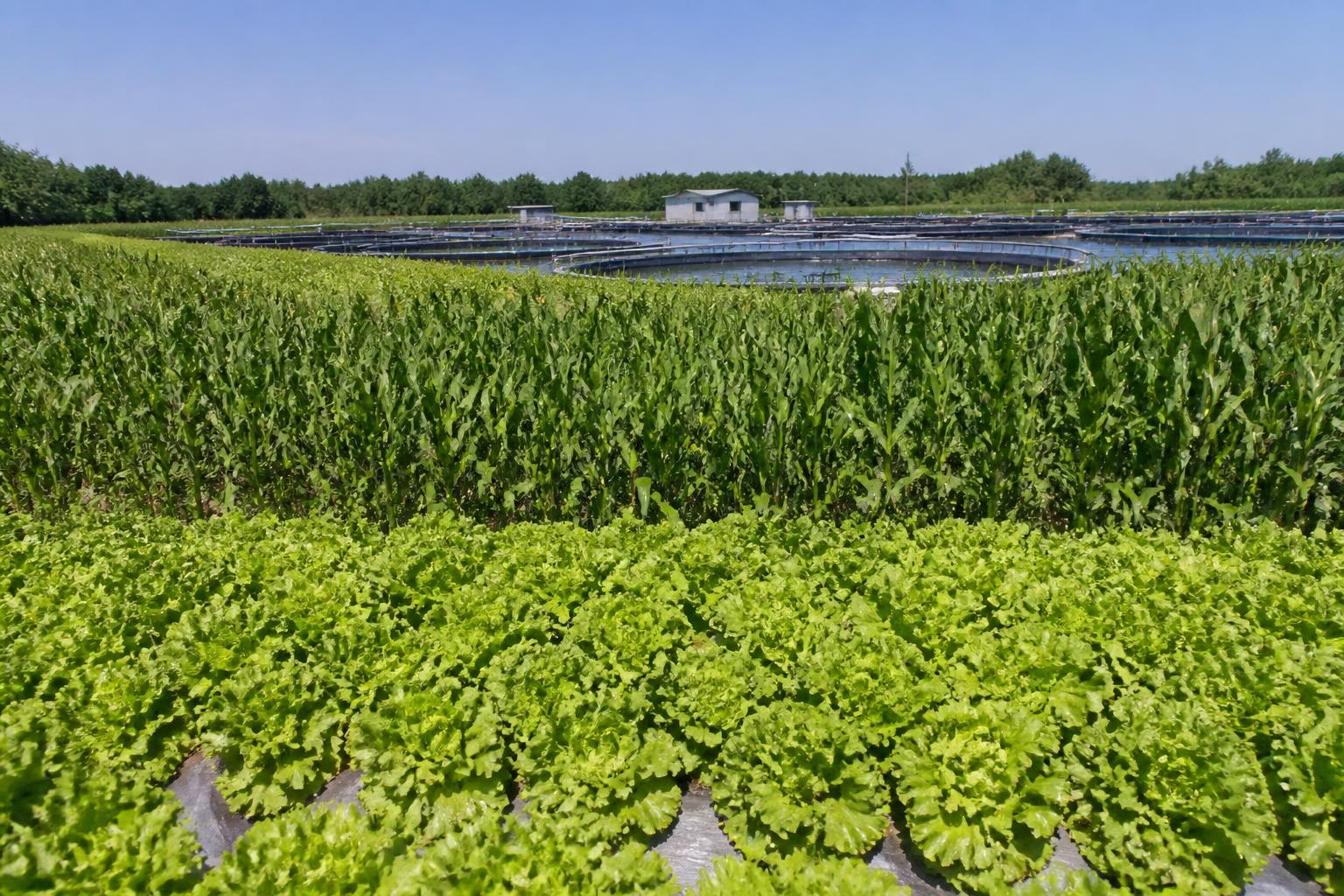
West Virginia producers are increasingly looking toward innovative land use strategies to maximize productivity across the state's diverse geography. Recent research initiatives, including those led by West Virginia University, are exploring the viability of cultivating bioenergy crops on legacy mine sites. These studies focus on the resilience of specific plant varieties, which may eventually provide a pathway for utilizing land that has historically sat idle, potentially diversifying local agricultural outputs.
Expanding Production Capacity and Resilience
Beyond traditional row crops, the regional focus on controlled environment agriculture continues to evolve. Many producers are finding that high tunnels offer a practical solution for extending growing seasons in the mountain climate, providing a buffer against the variable weather patterns often experienced in state valleys. By managing micro-climates, farmers can enhance the reliability of their output throughout the summer months.
Input Management and Market Planning
As growers navigate the mid-season, balancing input costs remains a central theme for profitability. Staying informed on current fertilizer trends and soil health management is critical, as regional logistics can influence the availability and pricing of necessary crop inputs. Efficient procurement, combined with an understanding of regulatory updates affecting agricultural transport, helps local operators maintain a competitive edge despite broader market volatility.
What it means for the market
For the West Virginia agribusiness sector, these developments suggest a period of thoughtful transition. By integrating resilient bioenergy crops on reclaimed land and leveraging protected growing structures, producers can increase land utility and supply chain stability. As we move through July, monitoring how these innovative practices impact total yield will be essential for planning the upcoming harvest and future market positioning.
Comments
No comments yet - be the first to share your take.