
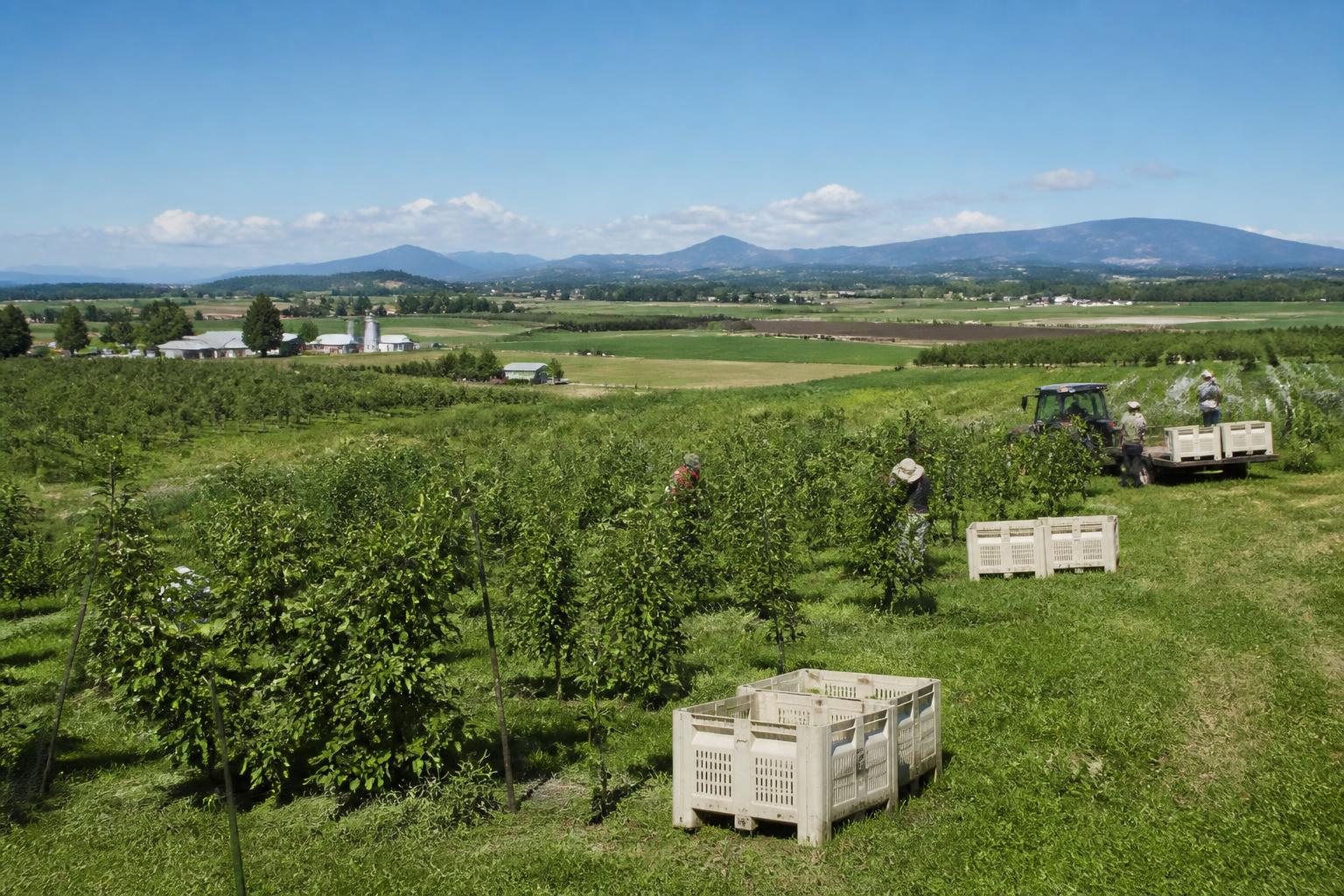
Oregon growers are navigating a complex mid-summer environment where long-term land availability and evolving commodity markets create a unique set of challenges. As the summer season progresses, the pressure on agricultural acreage remains a central concern for many local producers, particularly as industrial growth often conflicts with the preservation of prime farmland. Understanding the nuances of these pressures is vital for those looking to manage logistical and infrastructure risks in the current economic climate.
Land Use and Regional Sustainability
The encroachment of non-agricultural development, including the expansion of high-tech manufacturing, has sparked ongoing debates regarding the future of Oregon's rural footprint. For farmers in the Willamette Valley and beyond, this represents more than just a loss of acreage; it can shift the local cost-of-production baseline and impact supply chain stability. As property valuations fluctuate in response to development potential, operators are often forced to rethink their long-term capital allocation strategies.
Market Stability and Historical Context
Beyond land use, many growers are still evaluating the impacts of historical market shifts on local operations. The uncertainty surrounding large-scale processor sales, such as past developments involving NORPAC, serves as a reminder of the volatility inherent in regional output. Additionally, the Oregon wheat sector continues to play a pivotal role in the state's agricultural export profile, requiring producers to stay agile in the face of both domestic policy changes and global demand trends.
What it means for the market
For Oregon agribusinesses, the current period demands a proactive approach to land management and input sourcing. Keeping a close watch on local zoning discussions and regional trade logistics is essential for maintaining a competitive edge. While the pressure on land may persist, identifying diversified market channels and monitoring infrastructure efficiency can help protect operations against broader regional volatility as we head deeper into the summer harvest season.
Comments
No comments yet - be the first to share your take.