
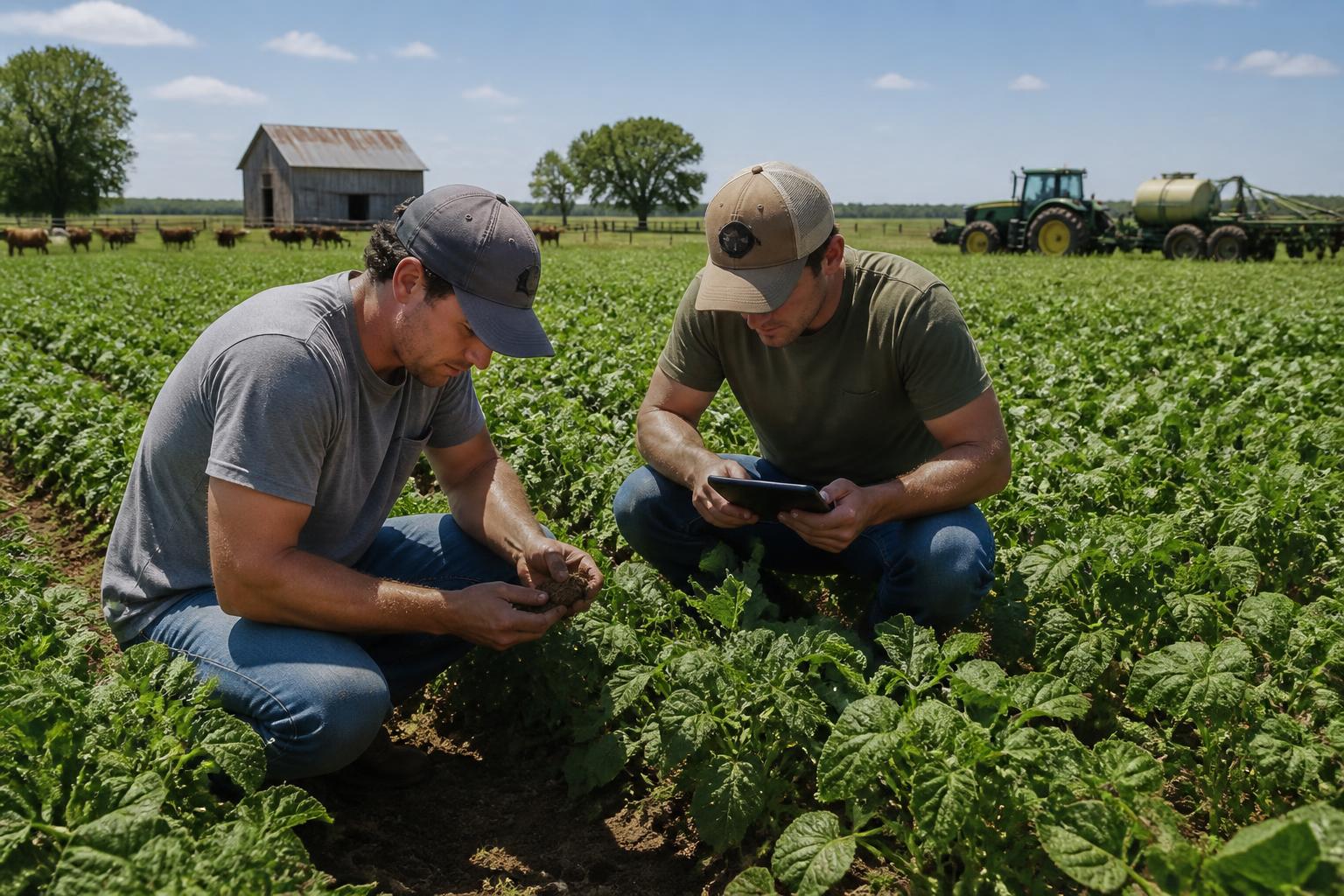
Mid-summer in Idaho brings intense focus to crop health, as producers across the region work to manage nutrient application and soil conditions during the critical growth phases. For many Idaho agribusinesses and input suppliers, this season is marked by a blend of long-term capital investment and necessary adjustments to evolving federal oversight. Across the state, the infrastructure supporting agricultural inputs continues to see modernization efforts intended to bolster efficiency for regional operations.
Recent developments in the state suggest a commitment to enhancing production capabilities at key facilities. Large-scale investments in fertilizer processing upgrades reflect a broader industry push to ensure that local suppliers remain competitive and capable of meeting the rigorous demands of Idaho's diverse agricultural landscape. These improvements are often vital for maintaining consistent supply chains that serve farmers from the Snake River Valley to the panhandle.
Regulatory Compliance and Operational Strategy
Agribusinesses are increasingly navigating complex environmental standards that impact how fertilizers are produced and stored. As companies align their facilities with updated environmental protocols, the industry is seeing a shift toward more sustainable, long-term operational models. Staying ahead of cost pressures and policy shifts remains a priority for producers who must balance input expenses with shifting market demand. Efficient management of these resources is crucial during high-heat months, as growers look to optimize yield despite potential moisture stress.
Soil Health and Future Productivity
Beyond the logistical aspect of inputs, Idaho farmers are increasingly turning to advanced soil science to improve efficiency on a per-acre basis. By focusing on deep soil health and precision nutrient management, many operations are finding ways to lower total input requirements while maintaining or boosting resilience. This technical shift is often complemented by localized infrastructure, ensuring that the necessary products and expertise are readily accessible during the busy harvest run-up. Farmers looking to refine their strategies may find value in evaluating local infrastructure and logistical efficiencies to better plan for the coming months.
What it means for the market
For the Idaho market, these developments signal a period of structural reinforcement rather than mere expansion. As major players commit to substantial facility upgrades, the availability of specialized fertilizers may stabilize, though compliance-related costs will remain a factor. Producers should continue to leverage precision agricultural data and regional supply expertise to mitigate the impacts of input volatility as the summer season progresses toward the harvest window.
Comments
No comments yet - be the first to share your take.