
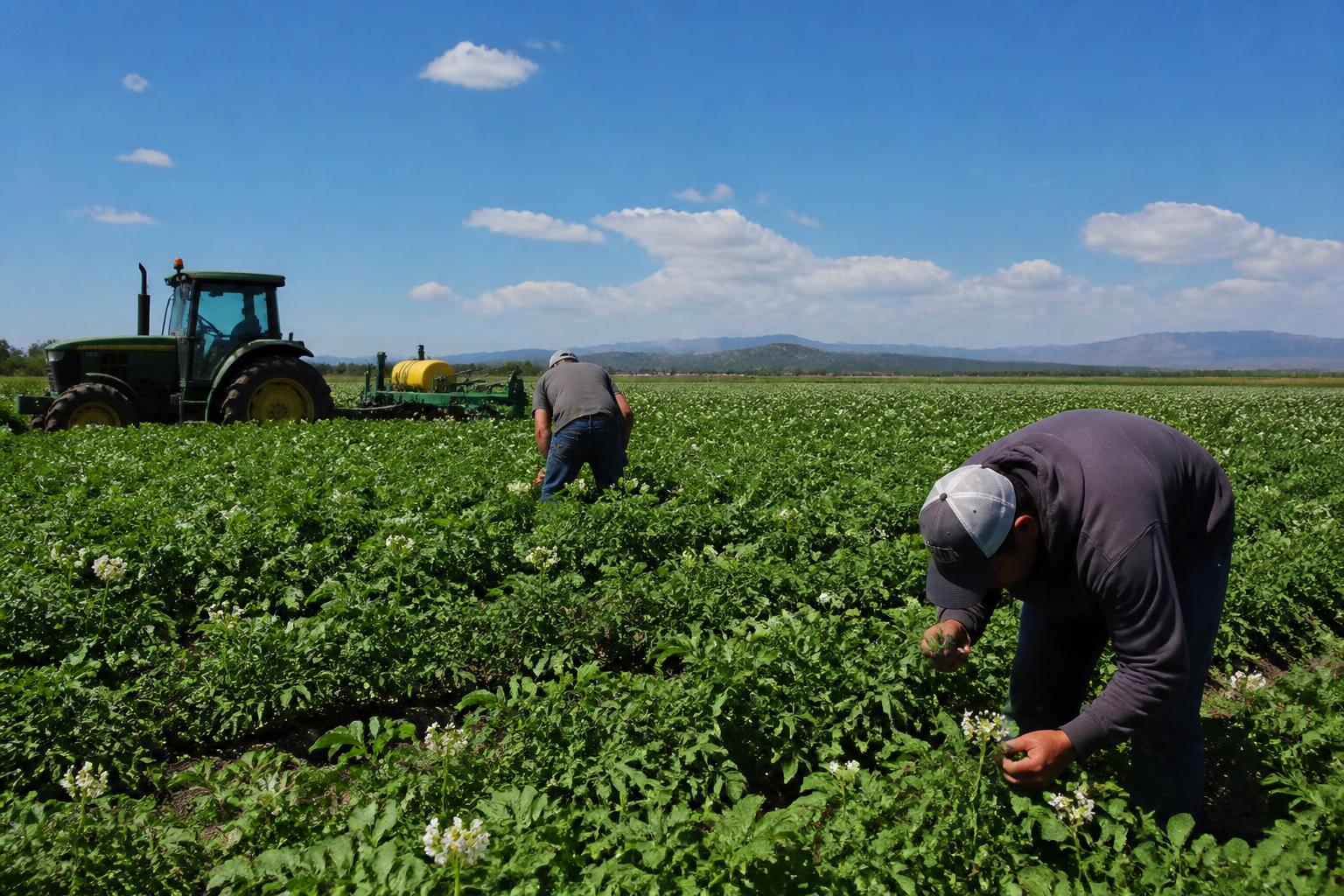
Idaho agricultural producers are navigating a complex fertilizer market this summer, as localized retail prices feel the pressure of both international conflicts and federal policy initiatives. With mid-summer crop maintenance underway, growers in Eastern Idaho and across the Snake River Plain are closely watching their margins as high fuel and fertilizer prices continue to affect farm-level economics.
Global Pressures Strike Eastern Idaho
Growers in major agricultural hubs like Bonneville, Bingham, and Minidoka counties are experiencing firsthand how global events dictate local expenses. Tensions in the Middle East, specifically involving the Iran conflict, have contributed to a noticeable spike in energy and fertilizer production costs. This international instability trickles down directly to the regional retail level, forcing Idaho producers to make difficult choices regarding application rates and late-season crop nutrition. For a deeper look at these regional dynamics, see our analysis of volatile geopolitical shifts that squeeze summer margins.
Federal Actions and Supply Chain Resilience
Amid these compounding cost pressures, federal attention has turned toward relieving economic strain for domestic producers. Recent policy moves by Donald Trump aim to provide direct economic relief to American farmers and strengthen the underlying domestic fertilizer supply chain. While long-term federal plans focus on boosting domestic manufacturing and easing regulatory hurdles, local distributors and cooperatives still have to navigate immediate transportation constraints. Managing these supply routes remains a priority, especially when factoring in regional supply chain disruptions and river transport risks that typically arise during the hot summer months.
Research and Input Coordination
As Idaho growers look for ways to optimize their input portfolios, academic and regional research programs are stepping up. For example, a research team at the University of Idaho is currently taking a novel approach to developing new fungicides for potato growers. While crop protection innovations offer hope for long-term crop safety, they highlight the broader necessity of managing all chemical and nutrient inputs efficiently. Balancing these advanced tools with escalating nitrogen, phosphorus, and potassium costs remains the central challenge of the current growing season input strategies.
Key Takeaways for Idaho Producers
- Monitor Energy Spikes: Fuel and fertilizer costs remain highly correlated with overseas geopolitical conflicts, requiring careful budget forecasting.
- Evaluate Federal Programs: Keep track of emerging domestic supply chain initiatives that may eventually reduce reliance on imported raw materials.
- Optimize Application Rates: Coordinate closely with local agronomists to ensure nutrient applications are precise and waste is minimized.
What it means for the market
The combination of high operational costs and shifting trade policies suggests that fertilizer pricing will remain volatile through the end of the summer. While long-term research and supply chain strengthening efforts offer a promising outlook for regional resilience, Idaho growers must prioritize short-term cost-efficiency and logistics planning to protect their bottom lines during this harvest cycle.
Comments
No comments yet - be the first to share your take.