
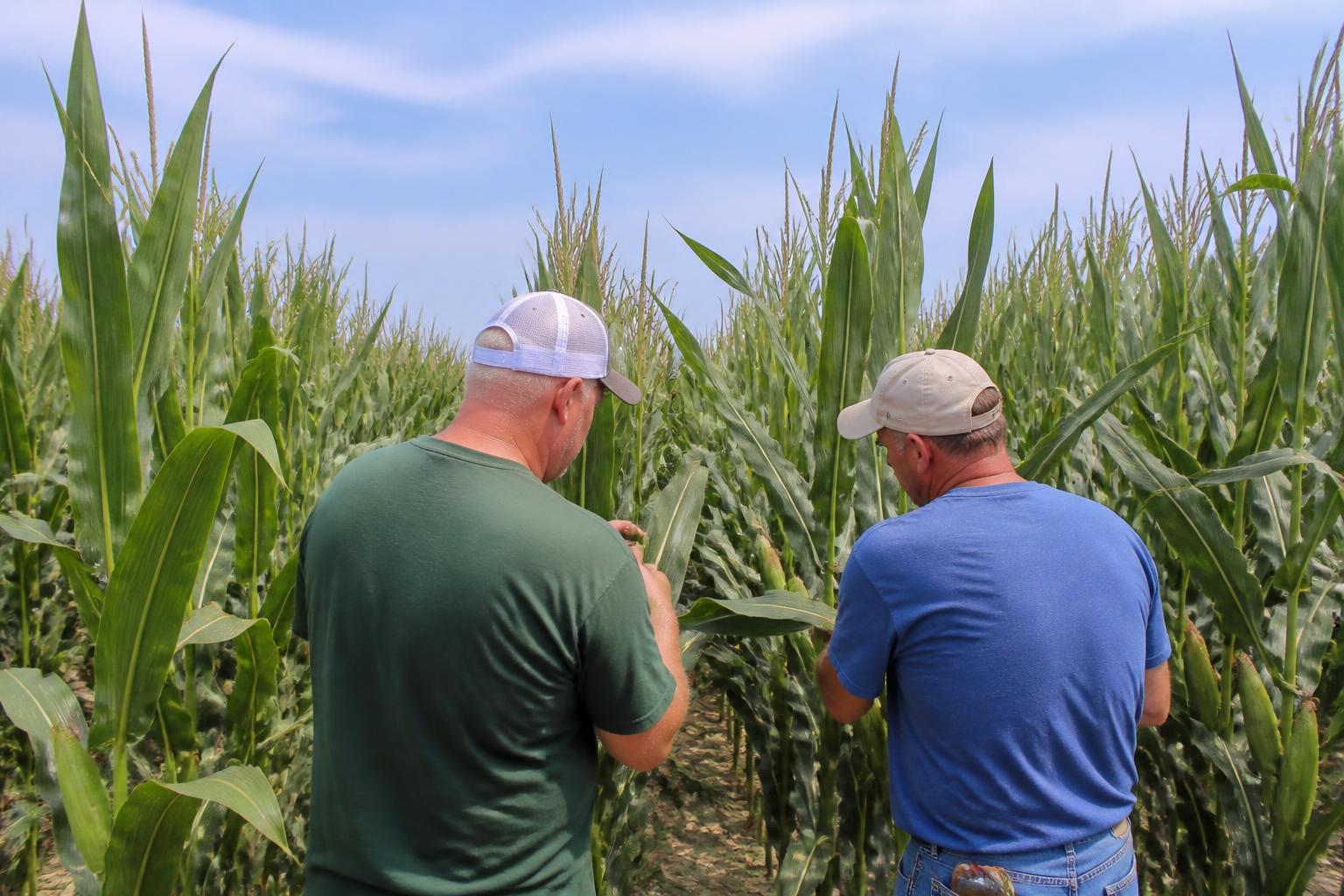
Mid-summer brings a critical phase for South Dakota growers, characterized by intense field management and early preparations for the upcoming harvest cycle. With corn and soybean development in full swing, producers are balancing the need for proactive crop health monitoring against the realities of a busy logistics season. Recent seasonal shifts underscore the importance of staying agile, particularly as farmers and elevators coordinate movement patterns across the state's primary transport corridors.
For those managing grain storage and distribution, the current environment demands close attention to infrastructure and transit efficiency. Regional logistics nuances in South Dakota continue to evolve, with market participants looking toward optimized routes to minimize bottlenecks as harvest approaches. Maintaining fluid operations from the elevator to the terminal remains a vital, if challenging, component of the state's agricultural backbone.
Managing Field Risks and Input Costs
Beyond logistics, field-level decisions remain at the forefront of the season. Producers are keeping a watchful eye on environmental factors, including heat and moisture stress, which can impact crop performance during these peak growth months. Furthermore, concerns regarding supply chain equity continue to influence the dialogue, particularly as growers push for increased transparency and fairness in input markets.
Looking Toward Harvest Preparedness
As the season progresses, the focus will inevitably shift toward maximizing yield potential and securing capacity. This includes assessing both local grain handling capabilities and the availability of transport flexibility, such as recent measures allowing for adjusted hauling parameters. Whether focusing on identity-preserved opportunities or managing standard commodity flow, efficiency remains the primary driver for a successful transition into the fall window.
What it means for the market
For South Dakota agribusinesses, the current market climate necessitates a hybrid approach: balancing immediate tactical adjustments in logistics with a long-term view of input and supply chain stability. As weather patterns fluctuate, the ability to rapidly pivot transport strategies and maintain vigilant field oversight will likely differentiate operational success for elevators and growers alike throughout the remainder of the summer months.
Comments
No comments yet - be the first to share your take.