
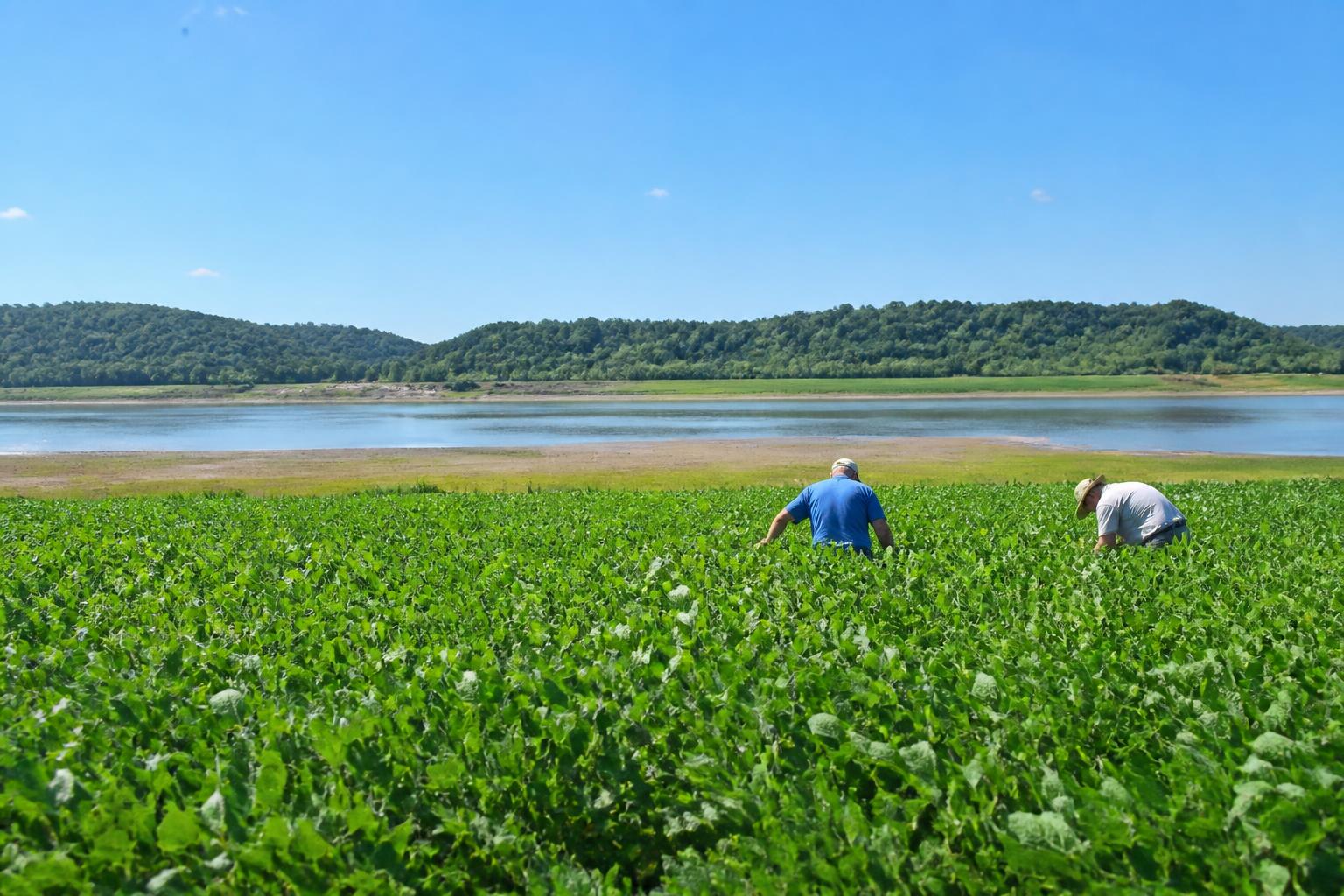
As Mississippi producers look toward the upcoming harvest season, logistics planning has taken center stage. With the Mississippi River serving as the primary artery for moving grain from the Delta to downstream ports, persistent concerns regarding low water levels remain a critical factor for elevators and producers alike. When river depths drop, barges must often reduce their load to prevent grounding, which inherently limits shipping capacity and can drive up freight costs for agricultural commodities.
Navigating Potential Transport Volatility
The reliability of river transport is a frequent topic for regional stakeholders during the summer months. For those managing grain logistics in the Mississippi Delta, the current environmental conditions serve as a reminder to maintain diverse transport strategies. While inland rail and trucking options provide alternative routes to move products, they often come at a premium compared to the cost-efficiency of barge transit when conditions remain optimal.
Market Impact of Seasonal Water Restrictions
For agribusinesses and grain handlers, the combination of potential barge limits and shifting regional demand creates a complex pricing environment. Producers should stay closely attuned to local basis levels, as regional supply chain disruptions caused by river volatility can quickly alter the net return on crop sales. In seasons where low water persists, the logistical bottleneck often extends beyond the river bank, impacting the speed at which grain can move through regional storage facilities.
What it means for the market
Mississippi producers should prepare for a potentially tighter logistical landscape as harvest intensifies. Monitoring real-time river stage updates and maintaining open communication with local grain elevators will be essential for managing sales timing. While regional production may remain robust, the ability to capitalize on market opportunities will depend significantly on the efficiency of the downstream supply chain throughout the late summer and early fall.
Comments
No comments yet - be the first to share your take.