
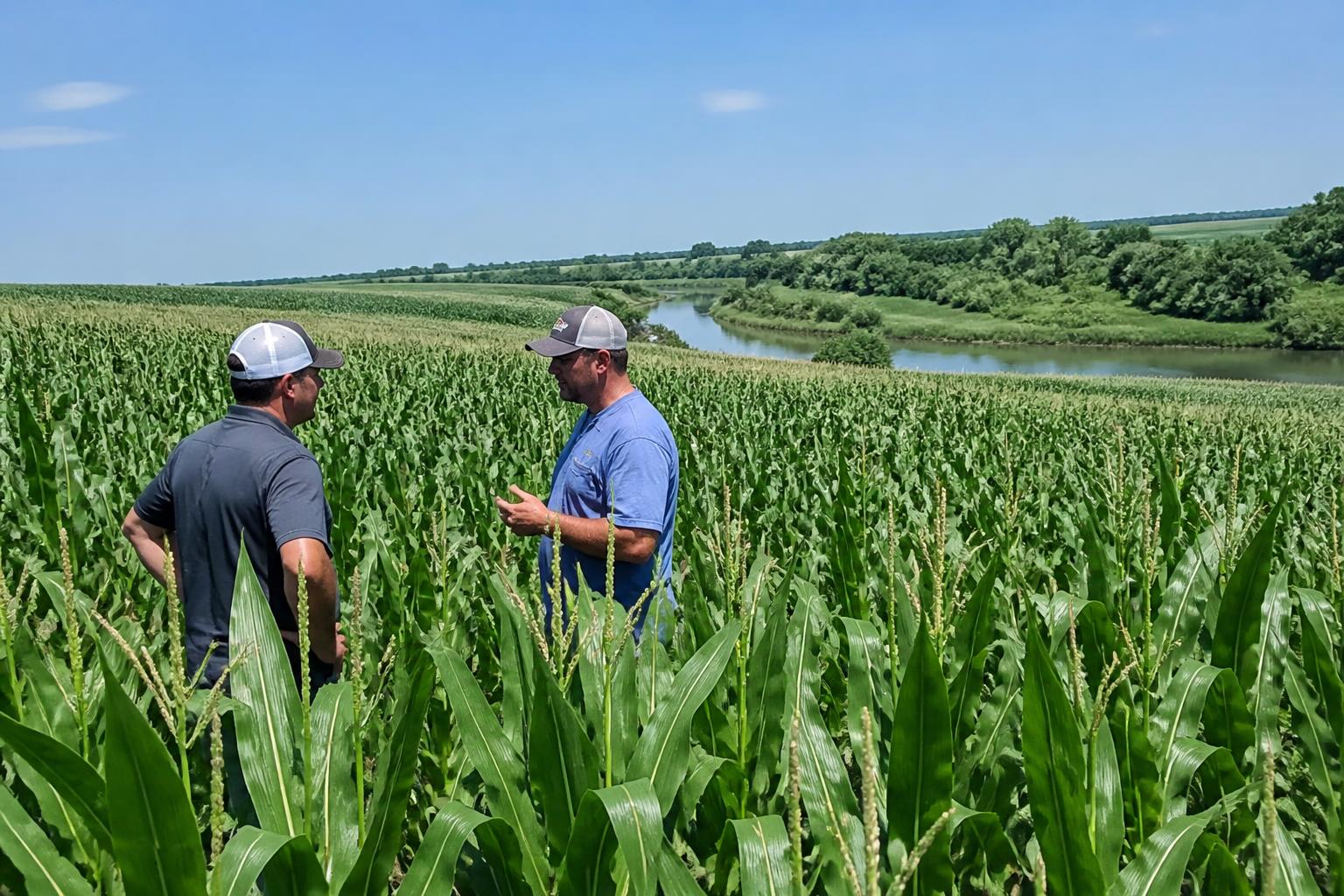
As Minnesota fields reach critical development stages this July, producers are finding that success in the current market hinges on balancing rigorous input management with long-term environmental stewardship. With fertilizer costs and availability remaining top-of-mind for many agribusinesses, the focus has shifted toward maximizing nutrient uptake efficiency to protect thin margins during a high-output production cycle.
For those looking to optimize their operation, local interest in green ammonia projects continues to grow as a potential long-term hedge against price volatility. Ensuring these nutrients stay where they are needed rather than moving into local watersheds remains a primary objective, particularly as regulatory oversight on water quality continues to evolve across the state.
Water Quality and Input Stewardship
In regions like the Red River Valley and southern Minnesota, the push for certified water quality practices is gaining momentum. Farmers are increasingly adopting cover crops and precision application technologies to mitigate the risk of nutrient runoff. These strategies are not just about compliance; they are becoming essential tools for maintaining soil health and securing the long-term viability of high-yield acreage. With many producers participating in voluntary water quality certification programs, the regional focus is on proving that intensive farming can coexist with strict environmental benchmarks.
Managing Seasonal Pressures
As we move deeper into the summer, the management of emerging pest pressures requires a disciplined approach. Input costs have forced many growers to refine their scouting techniques, prioritizing applications where they will deliver the highest return on investment. Staying agile in this environment often means monitoring local grain movement and logistics closely, especially as seasonal rail and road capacity fluctuates heading into the late-summer prep period.
Ultimately, farmers in Minnesota are showing a strong preference for data-driven decision-making. By leveraging both localized supply chain insights and improved nutrient management, the industry continues to navigate the complexities of a volatile global trade environment while keeping a close watch on regional operational expenses.
What it means for the market
For Minnesota grain handlers and input buyers, the takeaway is clear: the integration of localized, efficient fertilizer solutions and proactive water management is no longer optional. Producers who prioritize these operational efficiencies are better positioned to manage the current squeeze on profit margins and build resilience against future input price swings and regulatory pressures.
Comments
No comments yet - be the first to share your take.