
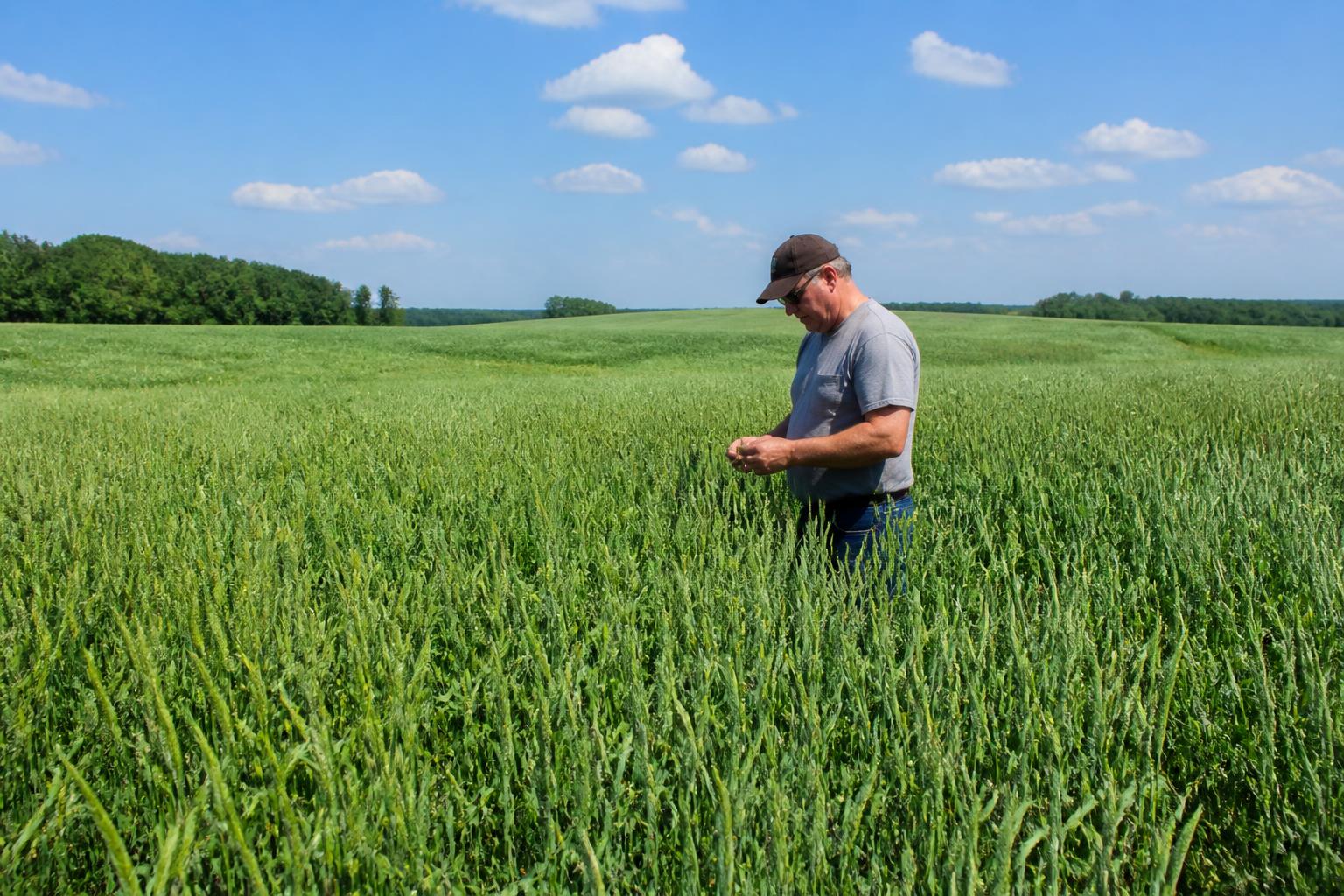
With the summer heat settling across major growing regions like the Red River Valley and southern Minnesota, local grain elevators are adjusting their bids for corn, soybeans, and wheat. Farmers are closely watching these fluctuations to find optimal selling windows during seasonal rallies. Successfully navigating these market shifts requires a blend of disciplined agronomics and strategic crop marketing.
Capitalizing on Market Rallies and Smart Marketing Rules
While volatile futures can tempt producers to wait out the market for peak pricing, experienced market advisors often suggest a more structured approach. In Southwest Minnesota, some farmers are actively securing margins by capitalizing on sudden price rallies rather than attempting to predict the absolute top of the market. Adhering to structured, proactive marketing plans-such as those outlined in popular regional guides like Ed Usset's Grain Marketing is Simple-helps producers remove emotion from their selling decisions.
With major regional cooperatives reporting tighter profit-share distributions compared to recent high-watermark years, maximizing every bushel is critical. Farmers are encouraged to review local cash bids frequently, utilize storage options wisely, and explore local grain buyers, sellers and prices in Minnesota to secure competitive bids.
Pest Pressures and Crop Diversification
In the fields, Minnesota growers are entering a critical phase of crop protection. The seasonal battle of "farmer versus aphid" is underway, as soybean aphids and other pests begin to threaten yield potential in southern and central counties. Timely scouting and integrated pest management are crucial to maintaining grain quality and volume, which plays a vital role when managing summer crop risks and volatile futures markets.
Beyond traditional corn and soybean rotations, there is a growing conversation around crop diversification. Organizations like The Nature Conservancy have highlighted the benefits of adding small grains, such as oats, to Midwest rotations. Diversifying with oats can improve soil health, disrupt pest cycles, and provide steady secondary revenue streams, though localized processing infrastructure remains a key factor for widespread adoption.
Trade Policy and Export Demands
On the policy front, Minnesota's agricultural sector remains highly sensitive to international trade agreements and export infrastructure. Recent congressional hearings held in the state by the House Ways and Means Committee highlighted how crucial reliable foreign markets are to the economic health of local family farms. Speakers at the hearing stressed the importance of enforcing current trade agreements and opening new export markets to absorb Minnesota's high agricultural output.
Uncertainties surrounding North American trade policies and global logistics corridors continue to hover over the market. Because a significant portion of Minnesota's corn and soybeans is destined for export markets via the Mississippi River or Pacific Northwest rail corridors, any shifts in trade agreements directly impact regional basis levels.
Key Takeaways for Minnesota Growers
- Stick to a plan: Use pre-established pricing targets to capture summer rallies rather than holding out for unseasonable highs.
- Monitor pest thresholds: Keep a close eye on soybean aphid populations to prevent early damage from eroding yield potential.
- Evaluate alternative crops: Consider integrating small grains like oats if local markets or soil health goals align.
What it means for the market
The Minnesota grain market is moving into a high-stakes summer phase where production realities and global trade policies intersect. While international trade negotiations and cooperative payout levels present broader financial challenges, growers who focus on meticulous field scouting and disciplined, incremental cash sales will be best positioned to protect their operational margins heading into the fall harvest.
Comments
No comments yet - be the first to share your take.