
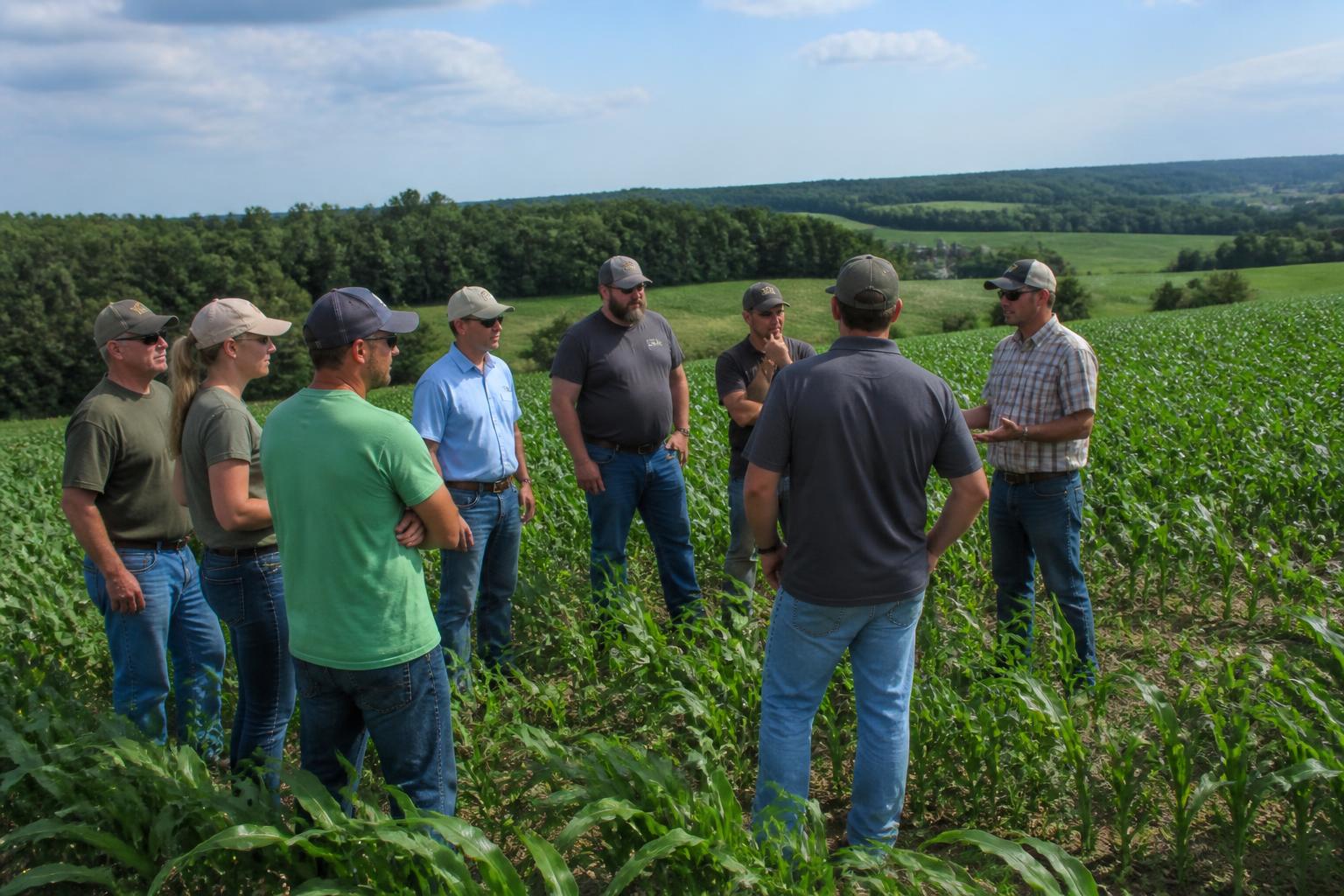
As Minnesota farmers navigate the peak summer growing season, the local agricultural input sector is experiencing a significant shift toward alternative and localized plant nutrition. Amid efforts to stabilize long-term input costs and improve soil biology, growers are looking beyond traditional fossil-fuel-based fertilizers to secure their operations. Recent policy discussions, high-profile grant announcements, and unprecedented demand for conservation-focused incentive programs reflect a changing landscape for crop nutrients across the state.
To navigate these changes, growers can review recent insights on Minnesota crop protection and summer input management headwinds to optimize their soil health strategies in the face of seasonal pressures.
Green Ammonia and Localized Nitrogen Production
Minnesota’s long-standing aspirations to establish a self-sustaining green ammonia industry are moving closer to reality. For years, Midwest farmers have remained vulnerable to global supply chain disruptions and highly volatile energy markets that dictate the price of conventional anhydrous ammonia. The development of green ammonia, which utilizes renewable energy sources to extract nitrogen from the air and hydrogen from water, represents a potential shift toward localized manufacturing.
This push received a boost with the announcement of a Green Fertilizer Grant at the Green Ammonia Summit. This funding aims to accelerate the commercial scale of zero-carbon fertilizers. If successful, local production facilities could eventually provide Minnesota crop producers with a reliable, regional supply of nitrogen, insulated from geopolitical and energy-market shocks.
Unprecedented Demand Closes Biofertilizer Programs Early
The appetite for biological alternatives is also surging at the grassroots level. This summer, a popular biofertilizer program saw its application window close ahead of schedule due to overwhelming early demand from local growers. This rapid sign-up rate underscores a broader trend: commercial operations are increasingly willing to integrate biological products into their fertility plans to enhance nutrient-use efficiency and support soil microbiomes.
In many parts of Minnesota, particularly across the central and southern counties, farmers are testing biological inputs as a complement to commercial synthetics. These products can help unlock existing phosphorus bound in the soil and improve nitrogen fixation, offering a buffer if traditional fertilizer prices spike or environmental regulations tighten.
Co-op Consolidation and Structural Labor Shifts
These agronomic shifts are occurring alongside structural changes in the state\'s agricultural support network. Minnesota agricultural cooperatives continue to consolidate, with members recently approving mergers to streamline operations and build financial resilience. These mergers are designed to help local retail networks maintain reliable input delivery and chemical application services.
Efficiency in input delivery is increasingly critical as southern Minnesota faces a declining agricultural workforce. With fewer hands available on the farm and at the retail level, there is rising interest in products that require fewer application passes or those that can be blended seamlessly into existing management plans.
Key Takeaways for Minnesota Growers
- Surging Biological Adoption: Early closure of state-level biofertilizer programs indicates strong peer-to-peer interest in alternative soil health practices.
- Localizing Nitrogen: The green ammonia sector continues to gain policy and funding momentum, pointing to a more decentralized regional supply chain in the future.
- Labor and Co-op Shifts: Retail consolidations may impact how inputs are sourced and applied, making early communication with local cooperatives essential.
What it means for the market
The convergence of localized green ammonia development, heavy interest in biological solutions, and cooperative consolidations suggests that Minnesota\'s fertilizer market is evolving beyond traditional commodity nitrogen. For crop managers and input buyers, the immediate priority this summer will be evaluating product performance and monitoring how these emerging alternative supply chains scale. Incorporating biologicals and staying informed on regional nitrogen projects can provide valuable flexibility for upcoming fall application planning and future crop budgets.
Comments
No comments yet - be the first to share your take.