
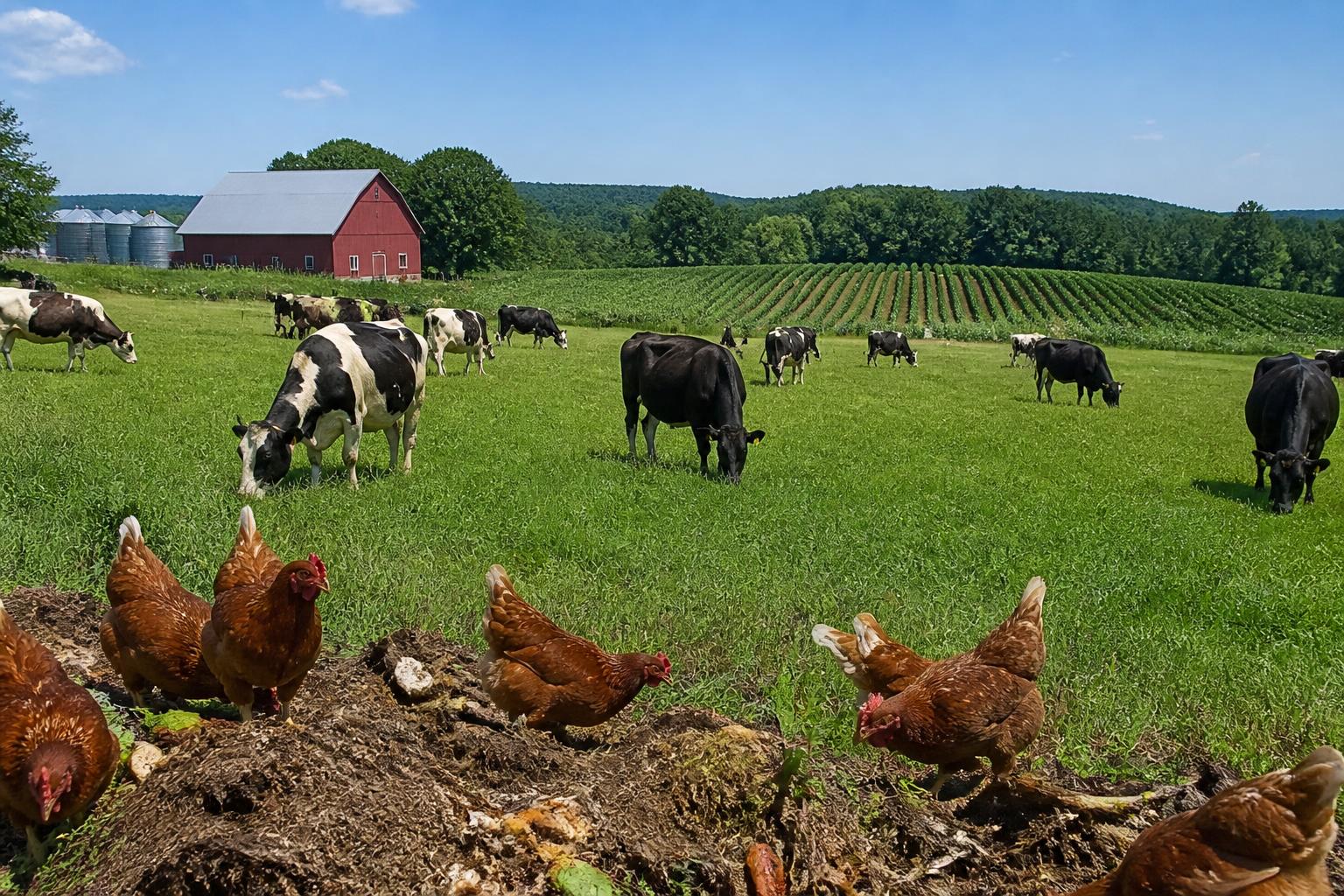
As Vermont farmers navigate the summer season, the dual pressure of fluctuating global fertilizer prices and the need for rigorous environmental stewardship remains a top priority. Producers across the state are increasingly looking toward localized nutrient solutions, balancing traditional input procurement with a growing interest in on-farm resource management to maintain soil health while managing operational costs.
Innovation is becoming a cornerstone of the regional strategy. Recent initiatives, such as the interest in the Vermont Phosphorus Innovation Challenge, highlight a broader industry shift toward finding practical, scalable ways to manage nutrients more effectively. This focus on nutrient efficiency is not merely an environmental exercise; it serves as a critical hedge against the unpredictability of national commodity fertilizer markets, which many producers currently find challenging to navigate.
Circular Nutrient Management and Soil Resilience
For many livestock and dairy operations in regions like the Champlain Valley, the integration of compost and regenerative grazing management continues to gain traction. By viewing farm waste as a potential fertilizer resource rather than a liability, some operations are finding ways to lower their reliance on synthetic applications. As noted in Vermont Dairy and Forage Update: Resilience Amidst Persistent Drought and Input Shifts, adapting to these changing input standards is essential for long-term farm viability, particularly as the state continues to pursue ambitious greenhouse gas reduction targets.
Adapting to Economic Realities
The conversation around input costs is evolving beyond standard supply chain logistics. Farmers are increasingly assessing the lifecycle of their soil health, questioning whether traditional heavy-input models remain sustainable in the face of erratic weather patterns and tighter margins. While no single solution fits every farm, the consensus among local agribusiness stakeholders is that diversification of nutrient sources is no longer just a trend, but a necessary component of modern farm management in the Northeast.
What it means for the market
For fertilizer suppliers and grain handlers, the trend suggests a move toward specialized, regionalized nutrient products and consultative services. Farmers are shifting away from being purely passive buyers of commodity-priced inputs toward active partners in soil health platforms. Businesses that can offer value-added insights into organic or regenerative alternatives are likely to find a more receptive audience as Vermont agriculture continues to prioritize long-term resilience over short-term synthetic dependency.
Comments
No comments yet - be the first to share your take.