
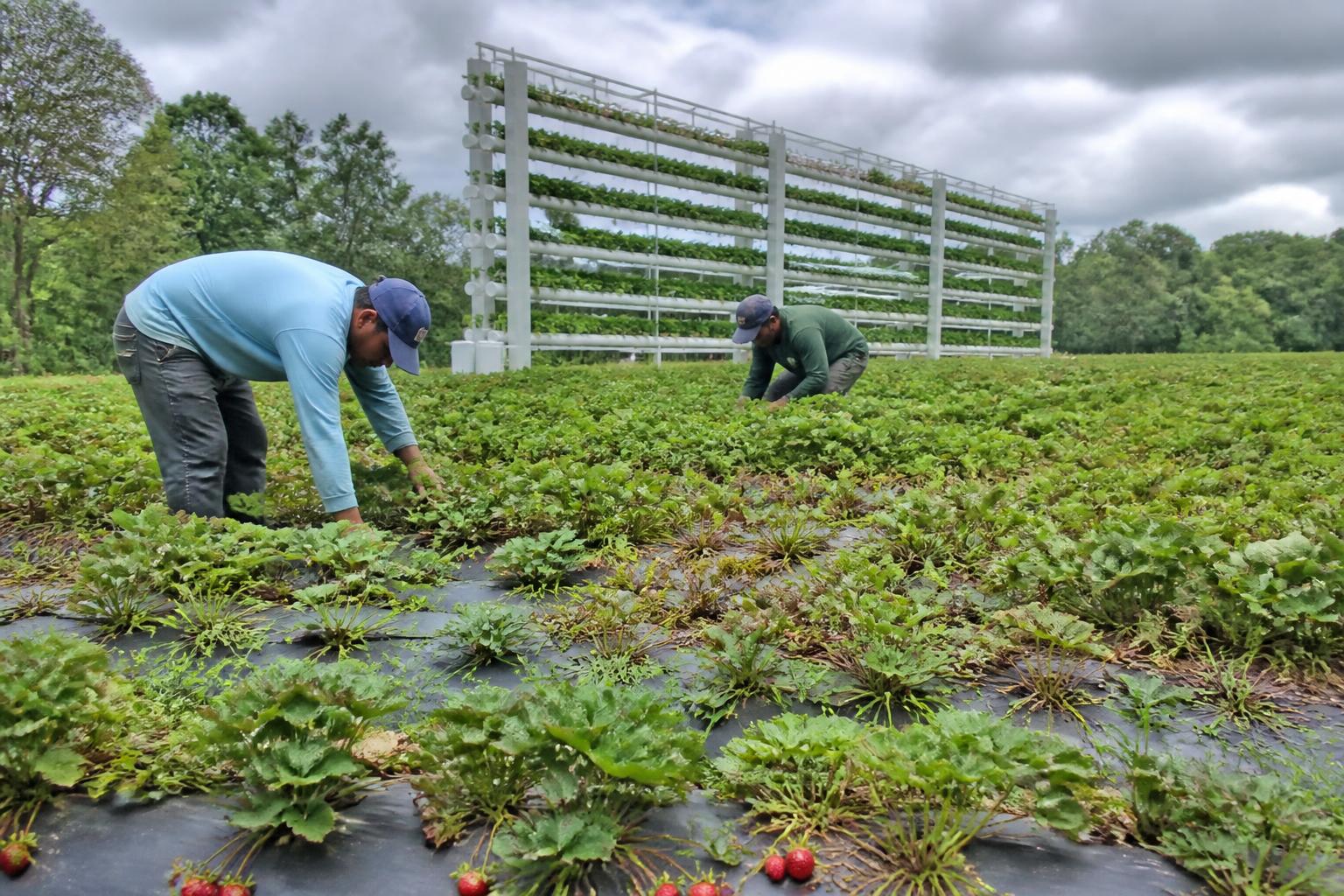
As South Carolina producers move through the peak of the summer season, the agricultural supply chain remains under pressure from both systemic logistical shifts and recent weather-related interruptions. For grain handlers, carriers, and local agribusinesses, managing the flow of goods under these conditions requires consistent attention to shifting transport protocols and regional infrastructure demands.
Transport Protocols and Weather Resilience
Recent seasonal weather patterns have prompted temporary adjustments in administrative requirements for producers moving livestock across state lines. These updates often serve to streamline the movement of essential assets when environmental conditions disrupt standard transit corridors. For stakeholders, keeping a close watch on these temporary regulatory shifts is critical for minimizing delays in inter-state logistics.
Understanding how these distribution shifts affect your bottom line can provide a necessary buffer against unexpected downtime. When transport requirements are eased during storm-related events, it often provides a narrow window to accelerate the movement of high-priority cargo, though it requires precise coordination with logistics partners and timely communication with regulatory authorities.
Infrastructure and Resource Management
Beyond immediate weather concerns, the broader agricultural infrastructure in South Carolina continues to adapt to evolving distribution needs. From the necessity of robust storage solutions to the integration of localized production models, the state's ag sector is balancing traditional distribution networks with new, geographically diverse supply points. As businesses look to stabilize their operations, maintaining steady access to key transit hubs remains a priority for both input buyers and those shipping finished products to market.
What it means for the market
For the South Carolina agricultural market, the current environment demands a proactive stance on logistics planning. Whether you are managing grain stocks, coordinating livestock movement, or handling perishable output, the ability to pivot rapidly in response to both regulatory flexibility and infrastructure bottlenecks will be a defining factor in operational success throughout the remainder of the summer.
Comments
No comments yet - be the first to share your take.