
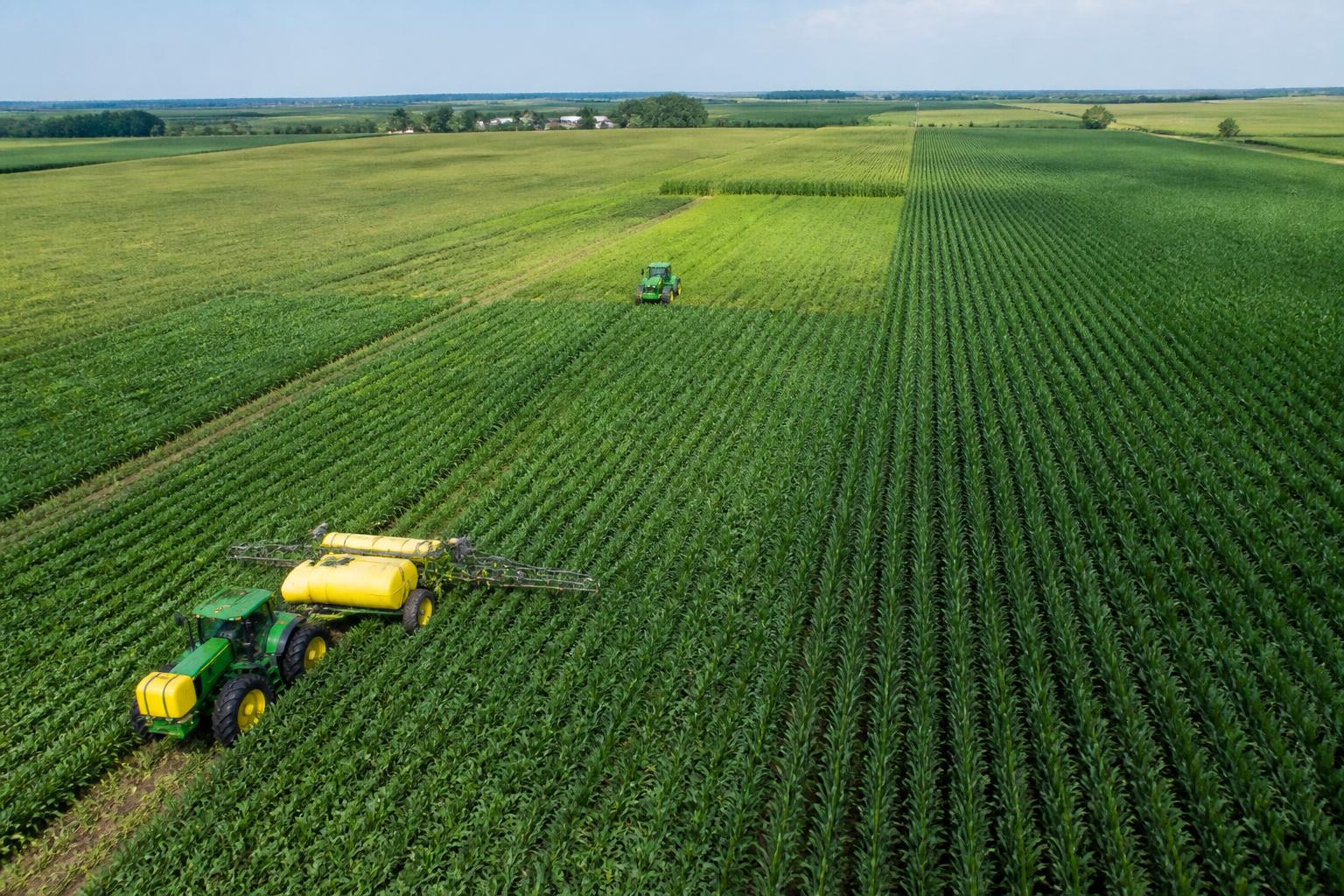
For Delaware agribusinesses and local grain producers, the current mid-summer window brings a period of strategic assessment regarding nutrient management and long-term input planning. With the growing season in full swing, agricultural stakeholders across the Delmarva Peninsula are monitoring how fluctuations in the international fertilizer trade may impact local availability and cost structures heading into the fall.
While local conditions remain focused on field maintenance and crop development, external market factors, including global volatility in potassium and phosphate supply chains, continue to influence the broader agricultural economy. Producers in Sussex and Kent counties often find that regional logistics and timely procurement are just as critical as global spot prices when balancing operational budgets during these peak summer months.
Global Market Dynamics and Local Impact
Global demand remains a primary driver for major input manufacturers, and as agricultural industries worldwide prioritize crop yields, the ripple effects are felt down to the local level. Some market analysts suggest that despite ongoing logistical challenges and geopolitical tensions, steady long-term demand for specialized fertilizers persists. For Delaware operations, this underscores the importance of staying informed through resources like our Delaware fertilizer outlook, which helps contextualize how these large-scale shifts may influence input pricing at the regional elevator or distributor.
Strategic Planning in a Volatile Environment
Managing mid-summer input pressures requires a proactive approach to procurement. In addition to monitoring price movements, growers should account for potential transport constraints that can tighten supply chain efficiency. As seen in previous seasons, staying ahead of regional logistics can provide a necessary buffer against unexpected supply disruptions. Furthermore, integrating robust field strategies ensures that nutrient applications are optimized to match crop needs, effectively mitigating some of the financial risk associated with market-wide price swings.
What it means for the market
The fertilizer market in Delaware remains sensitive to both global supply realities and regional seasonal demand. For the remainder of the summer, farmers and handlers should prioritize clear communication with local suppliers and maintain flexible logistics plans. While volatility remains a consistent feature of the global trade environment, maintaining a focus on efficient application and strategic inventory management provides the best defense against broader market instability.
Comments
No comments yet - be the first to share your take.