
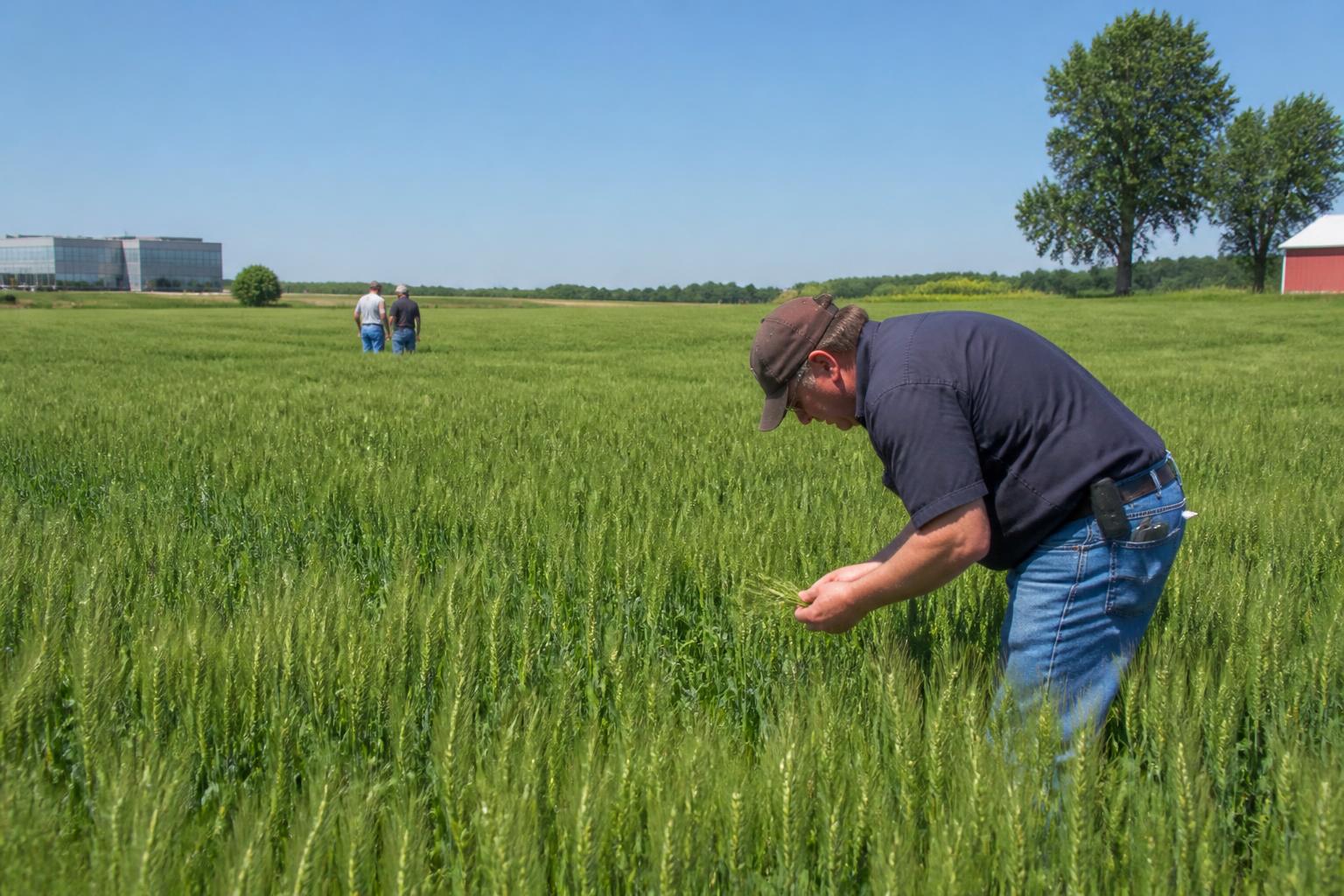
Mid-summer in Delaware brings a complex set of operational challenges for the state's producers. With fields in active growth, managing crop protection against both established pests and emerging threats is a top priority for maintaining yield potential. State agencies have ramped up monitoring efforts, including annual surveillance for invasive species like the emerald ash borer, which serves as a reminder of the constant vigilance required in modern orchard and field management.
Beyond direct field protection, the broader input market continues to demand close attention. As global dynamics influence pricing and availability, navigating fertilizer price volatility remains a central theme for many local agribusinesses. Producers are often finding that flexible input strategies are necessary to mitigate the impact of fluctuating costs as they look toward the harvest season.
Logistics and Market Resilience
Efficient movement of goods remains the backbone of the local economy. Whether managing transport in the northern corridors or coordinating logistics and infrastructure for regional distribution, operators are dealing with a landscape that requires both patience and precision. The seasonal shift in traffic, combined with ongoing infrastructure assessments, means that grain handlers and input suppliers must stay ahead of potential bottlenecks to keep operations running smoothly.
Managing Risk in the Field
Risk mitigation extends into wildlife management, which can be particularly intense during the summer months. Producers often utilize various assistance programs to address issues like deer damage, which remains a persistent concern for many in Delaware's rural counties. Integrating these protective measures with precision technology can offer a more robust defense, helping farmers better protect their investment throughout the heat of the summer.
What it means for the market: For Delaware farmers and agribusinesses, the current period is defined by a need for agility. Success in the latter half of the season will likely depend on balancing cost-effective input procurement with disciplined pest and wildlife management. As the market navigates these pressures, maintaining strong communication with local cooperatives and staying informed on regulatory developments will be essential for stabilizing margins.
Comments
No comments yet - be the first to share your take.