
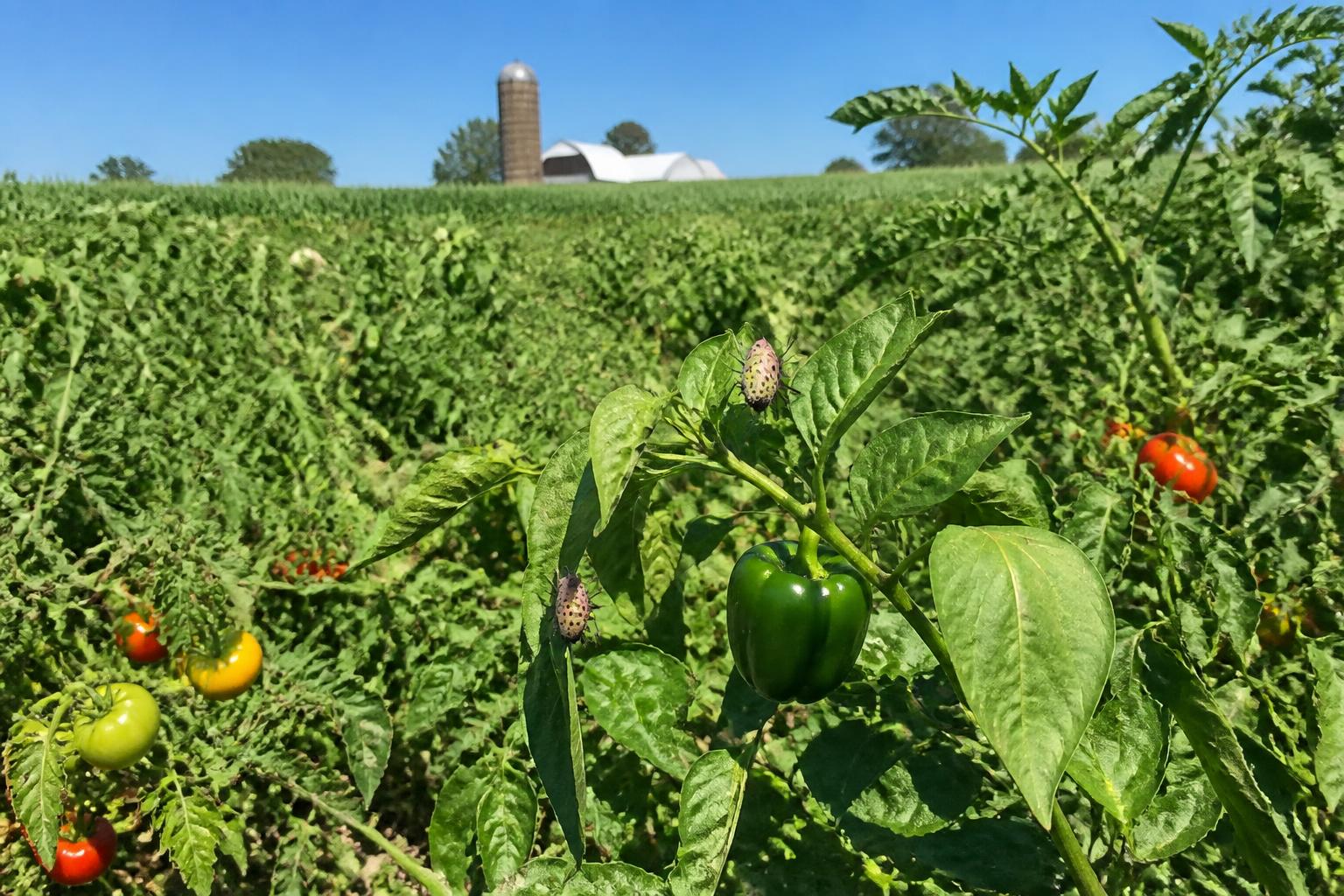
Mid-summer in West Virginia often brings a unique set of logistical considerations for local growers and agribusiness operators. As the season progresses, the movement of farm products and essential inputs remains a top priority, requiring careful navigation of regional transport corridors and local infrastructure constraints. For many producers, the focus is on maintaining efficient supply chains while managing the complexities of a changing agricultural landscape.
Managing Supply Chain Realities
The movement of agricultural goods is rarely a static process, and West Virginia producers are increasingly attuned to the broader forces shaping their market. From the potential for global supply shocks affecting input costs to the importance of regional storage and distribution, efficiency is key. Navigating these factors requires a proactive approach, especially as producers consider shifts toward specialty crops to bolster profitability outside of traditional commodity markets.
Logistics and Regulatory Awareness
Efficiency in transit is often supported by clear communication regarding regulatory shifts and local support programs. Keeping a close eye on transport regulations can help carriers and farmers avoid unnecessary delays during the busy summer months. Staying informed on logistical updates, such as regulatory relief efforts that ease fertilizer transport across West Virginia, remains a vital strategy for maintaining operational momentum.
Input Management in a Complex Market
Market uncertainty, particularly concerning the cost and availability of critical inputs, continues to challenge the bottom line. Producers are balancing the need for rigorous field health management against the realities of fluctuating prices. Insights into the West Virginia summer fertilizer outlook provide a necessary baseline for those looking to optimize their field health strategies while controlling expenditures during these peak operational weeks.
What it means for the market
For West Virginia agribusinesses, the current environment underscores the need for localized planning and supply chain resilience. By staying engaged with regional logistical developments—such as those discussed in our recent look at the West Virginia fertilizer market—farmers can better position themselves to mitigate risks and capitalize on opportunities as the summer season moves toward harvest.
Comments
No comments yet - be the first to share your take.