
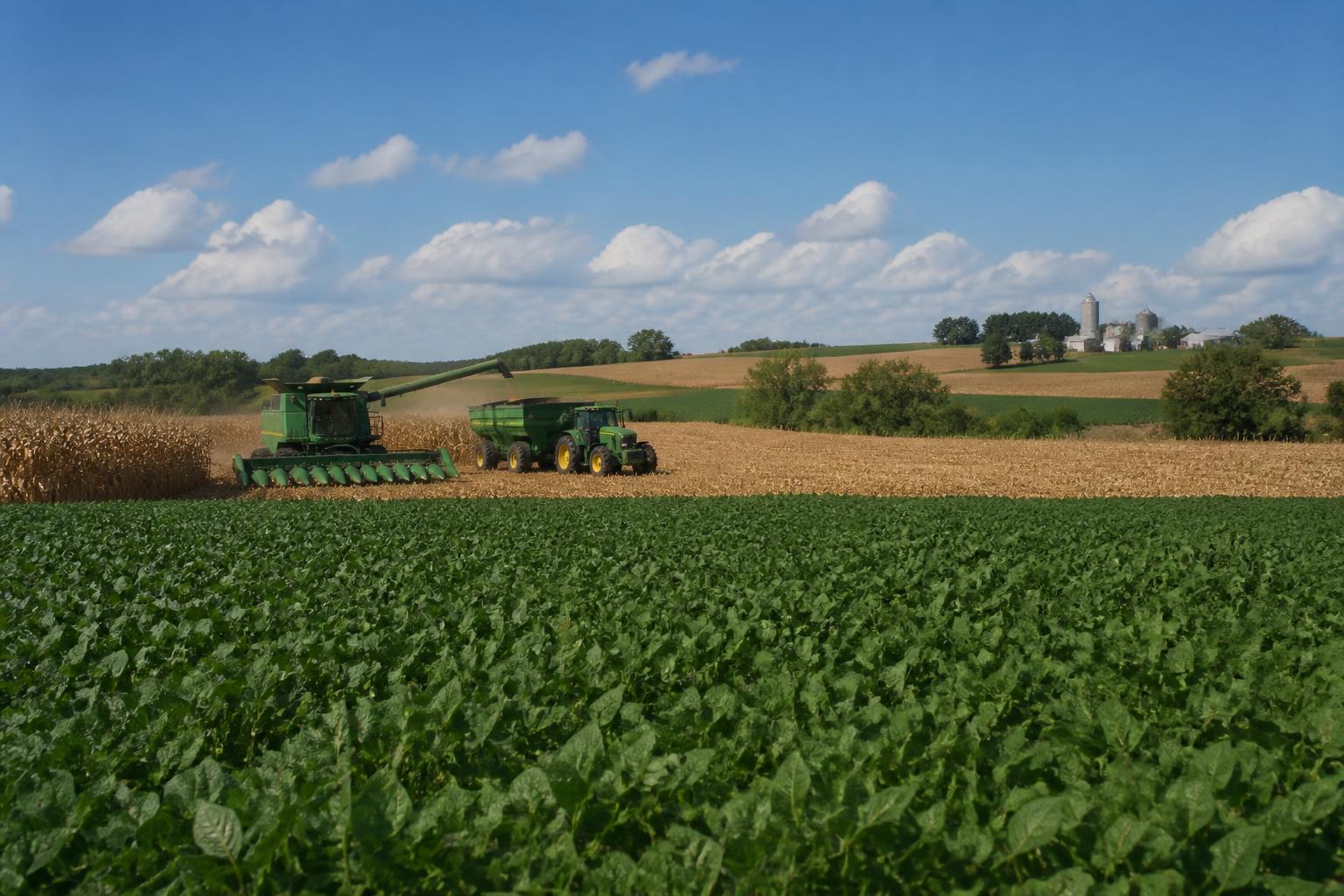
Mid-summer in Iowa brings a focus on field conditions and the long-term outlook for the upcoming harvest. As crops progress through their growth stages, producers across the state are carefully balancing production management with the realities of the current agricultural economy. For many, the rhythm of mid-summer field work is currently tempered by wider financial considerations that extend beyond the farm gate.
Marketing strategies are becoming increasingly complex as operators evaluate the impact of market fluctuations on their bottom lines. While some farmers may be hesitant to commit to sales in a market defined by strong basis levels, others are weighing the costs of storage against the risks of holding grain into a volatile season. Understanding these dynamics is essential for those looking to sell grain in Iowa effectively while managing seasonal cash flow needs.
Economic Resilience and Strategic Planning
Recent reports suggest that the rural economy in Iowa is facing multifaceted challenges. Tightening margins are prompting many producers to re-evaluate their input costs and land management strategies. As we look ahead, the interplay between supply levels, regional demand, and global market signals will continue to dictate pricing trends. Farmers are encouraged to maintain a proactive stance by monitoring local elevator demand and utilizing forward contracting options where appropriate to mitigate downside risk.
Focusing on Operational Efficiency
Beyond the market, the focus remains on ensuring crop health and protecting yields through the remainder of the summer. Proactive scouting and field management remain the first line of defense against regional pests and environmental stressors that can emerge as the season matures. Efficiency in these operational tasks, combined with a disciplined approach to grain marketing, remains a critical component of navigating the current agricultural landscape.
What it means for the market
The current environment requires a cautious but prepared approach to both crop protection and grain sales. With economic pressures persisting, operators who prioritize liquidity and stay informed on local basis changes will be better positioned to navigate the market as we approach the final stages of the production year.
Comments
No comments yet - be the first to share your take.