
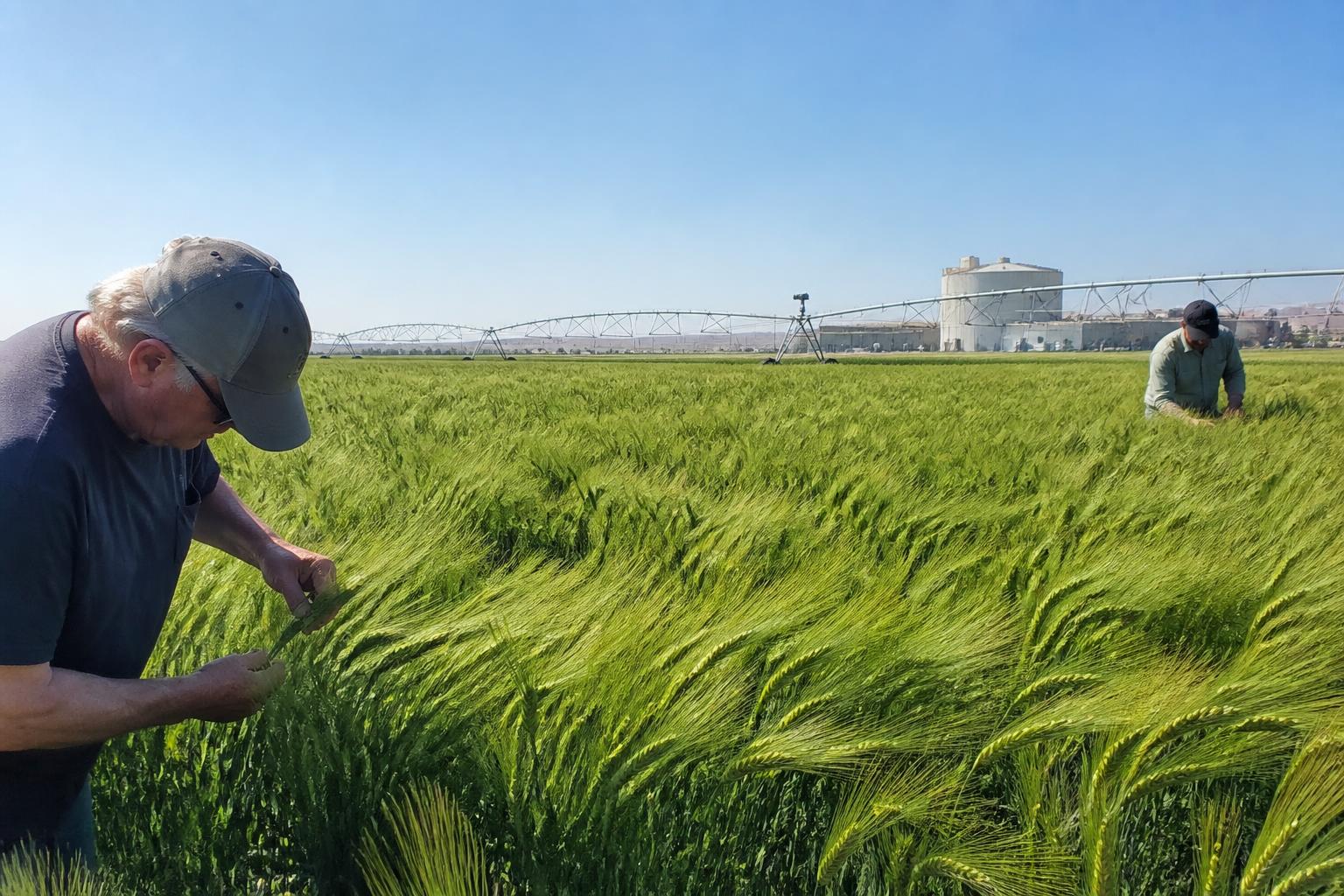
Mid-summer in Washington brings a unique set of challenges for the agricultural sector, as farmers balance the immediate needs of the harvest season with broader concerns regarding input costs and global market positioning. While growers continue to monitor crop development across the state, many are also evaluating the long-term impacts of shifting logistical landscapes, including the potential for infrastructure changes and the ongoing need to manage tight transport margins.
For many producers, the focus remains on operational efficiency as a primary hedge against external volatility. Efficient movement of goods is critical during these high-activity months, especially as freight and labor dynamics in the Pacific Northwest continue to evolve. Adapting to these shifts requires a proactive stance on supply chain planning and a keen awareness of how regional transit hubs support, or hinder, domestic and export-bound commodities.
Evaluating Infrastructure and Competitive Pressures
The conversation regarding Washington's agricultural infrastructure often circles back to the balance between modernization and cost. Ongoing discussions about the state's dam systems and their role in irrigation and transportation highlight the necessity of reliable, cost-effective infrastructure for the long-term viability of inland operations. Any disruption to these established networks could have far-reaching consequences for regional growers, particularly when competing in a global environment where logistics performance is increasingly becoming a major differentiator.
Beyond physical infrastructure, the industry is also witnessing a push toward innovation in inputs. Carbon-free fertilizer projects are beginning to enter the conversation, signaling a potential shift in how farmers approach long-term soil health and operational sustainability. These developments suggest a pivot toward strategies that might mitigate future supply chain shocks, provided the economics remain accessible for local agricultural businesses.
Managing Market Volatility
Market uncertainty continues to weigh on the industry, with many producers citing high input costs and shifting international trade conditions as significant factors in their decision-making. As the season progresses, the ability to pivot and adapt to these price pressures will likely remain a hallmark of successful management. Whether through exploring new market opportunities or refining on-farm input strategies, the goal remains the same: stabilizing the bottom line amidst a landscape that rarely stays still.
What it means for the market
Washington producers are currently in a cycle of cautious adaptation. As logistics remain the backbone of regional competitiveness, farmers should prioritize flexibility in their transport arrangements and stay informed on infrastructure shifts that could impact transit costs in the coming quarters. Diversifying input sourcing and monitoring global market signals will be essential tools for navigating the remainder of the growing season.
Comments
No comments yet - be the first to share your take.