
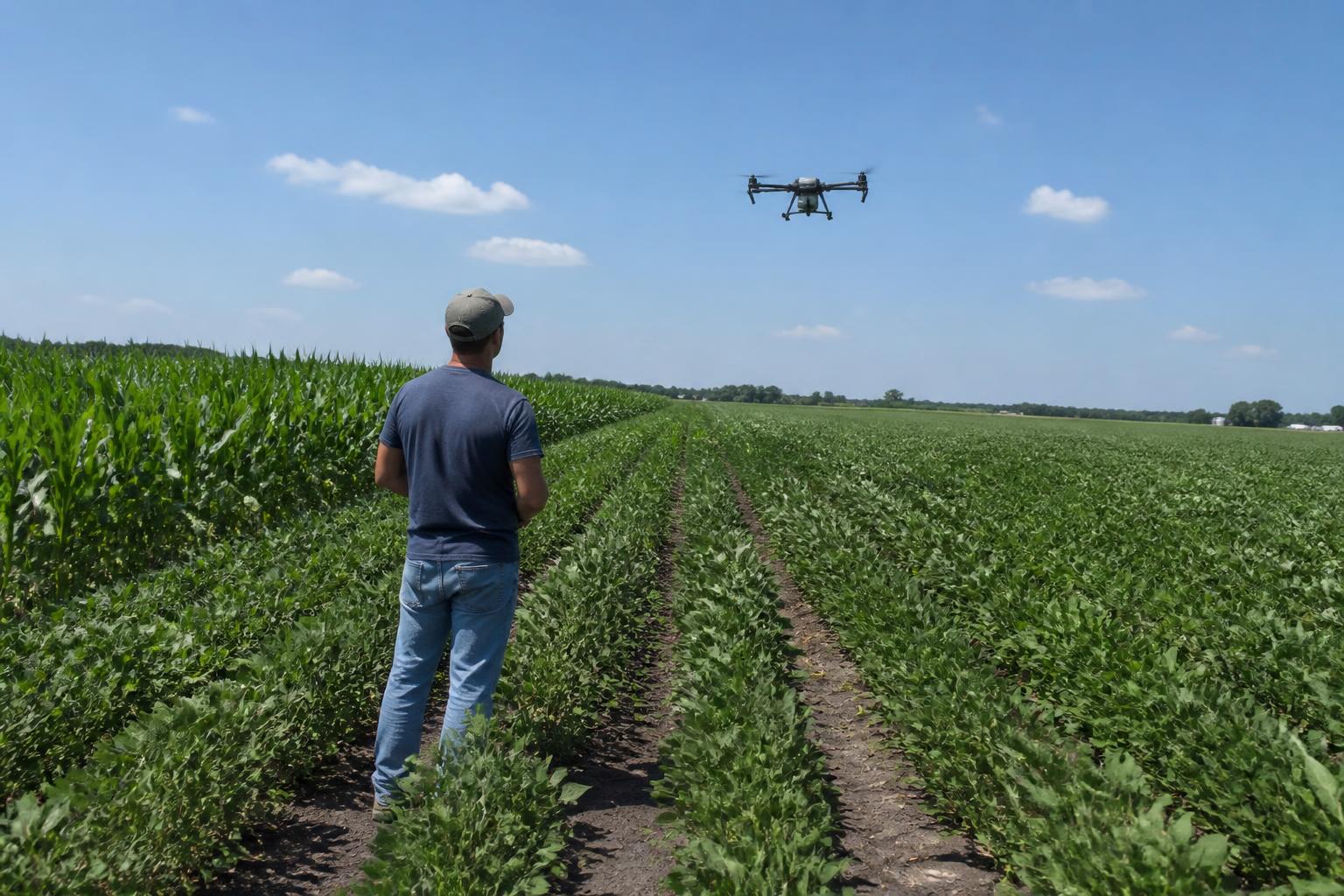
As New Jersey enters the heat of the summer growing season, the importance of safeguarding specialized agricultural technology has come to the forefront. Recent reports confirming the recovery of stolen chemical-spraying drones by state authorities underscore a critical vulnerability for agribusinesses relying on precision equipment to manage their crops during these high-activity months.
For producers managing operations across the state, from the northern corridors to the southern agricultural hubs, maintaining the integrity of these assets is essential. When sophisticated gear is compromised, it can lead to significant delays in routine maintenance, irrigation management, and crop health monitoring, potentially impacting yield potential during these vital summer growth weeks.
Heightened Vigilance for Ag Logistics
Security is not limited to drones alone; it extends to the broader logistics chain that sustains New Jersey's diverse agricultural sector. Whether dealing with high-value inputs or sensitive machinery, securing storage facilities and maintaining strict inventory tracking can mitigate the risks of cargo theft. As farms balance the demands of the mid-summer crop cycle, integrating robust security protocols into daily logistics workflows has become a practical necessity rather than an administrative burden.
Protecting Operational Continuity
The incident involving the recovery of drones highlights that agricultural property is increasingly a target for opportunistic theft. Operators are encouraged to reinforce access points at equipment storage sites and verify that all automated or high-value machinery is accounted for. In a market where supply chain reliability remains paramount, protecting current investments is as important as planning for future seasonal inputs.
What it means for the market: Producers and managers should view physical security as a core component of their operational risk management. By securing high-value assets during peak field intensity, businesses avoid the financial and temporal costs of replacement, ensuring that their planned seasonal output remains on track without the disruption of unexpected equipment losses.
Comments
No comments yet - be the first to share your take.