
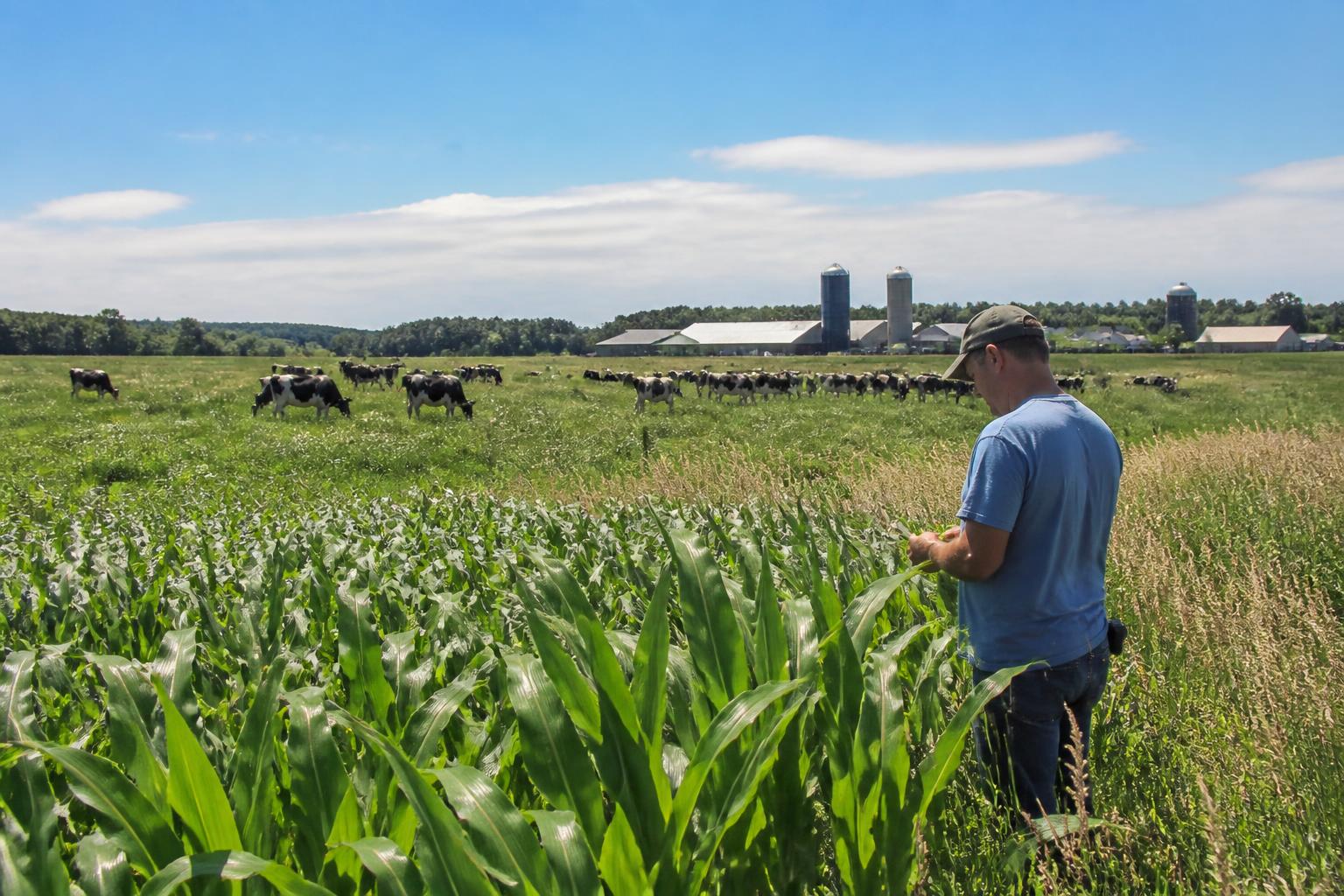
Changing Dynamics in Wisconsin Distribution
Wisconsin producers are currently navigating a complex landscape of supply chain shifts. As local agriculture adapts to changing consumer preferences, there is a clear trend toward farm-direct distribution models. For many operators, this move is as much about logistics and margin preservation as it is about meeting the rising interest in localized, traceable food systems.
As producers re-examine their delivery routes and storage needs, regional logistics remain at the forefront of operational planning. Reliable transportation is essential when moving goods from smaller, specialized operations to final consumers or regional hubs. For those managing mid-summer operational pressures, efficient routing and proactive maintenance of transport equipment are necessary steps to minimize downtime during this busy season.
Adapting to Evolving Market Demands
The broader agricultural market in Wisconsin is seeing a shift in how dairy and farm-direct products reach the shelf. National brand competition is forcing local producers to refine their value propositions. For the independent farmer, the focus is increasingly on building direct connections with consumers who prioritize transparency and local sourcing. This shift necessitates a more agile approach to distribution, often requiring smaller, more frequent loads that move through local corridors rather than traditional long-haul channels.
Managing Operational Costs
Cost management remains a critical pillar for Wisconsin agribusinesses. With logistics representing a significant portion of operating expenses, finding ways to optimize fuel efficiency and vehicle utilization is key. Producers are often looking for ways to streamline their logistics workflows, from coordinating shared transport with neighbors to utilizing digital tools for route optimization. In some parts of the state, investing in better on-farm storage can help producers wait for more favorable market conditions before moving their inventory, providing a buffer against volatile transport costs.
What it means for the market
The transition toward more direct-to-consumer models implies that logistics and transport will continue to be a primary area for innovation in the Wisconsin agricultural sector. By focusing on efficiency and localized supply chain resilience, producers can better position themselves to withstand broader market fluctuations and capture the growing interest in locally-sourced agricultural goods.
Comments
No comments yet - be the first to share your take.