
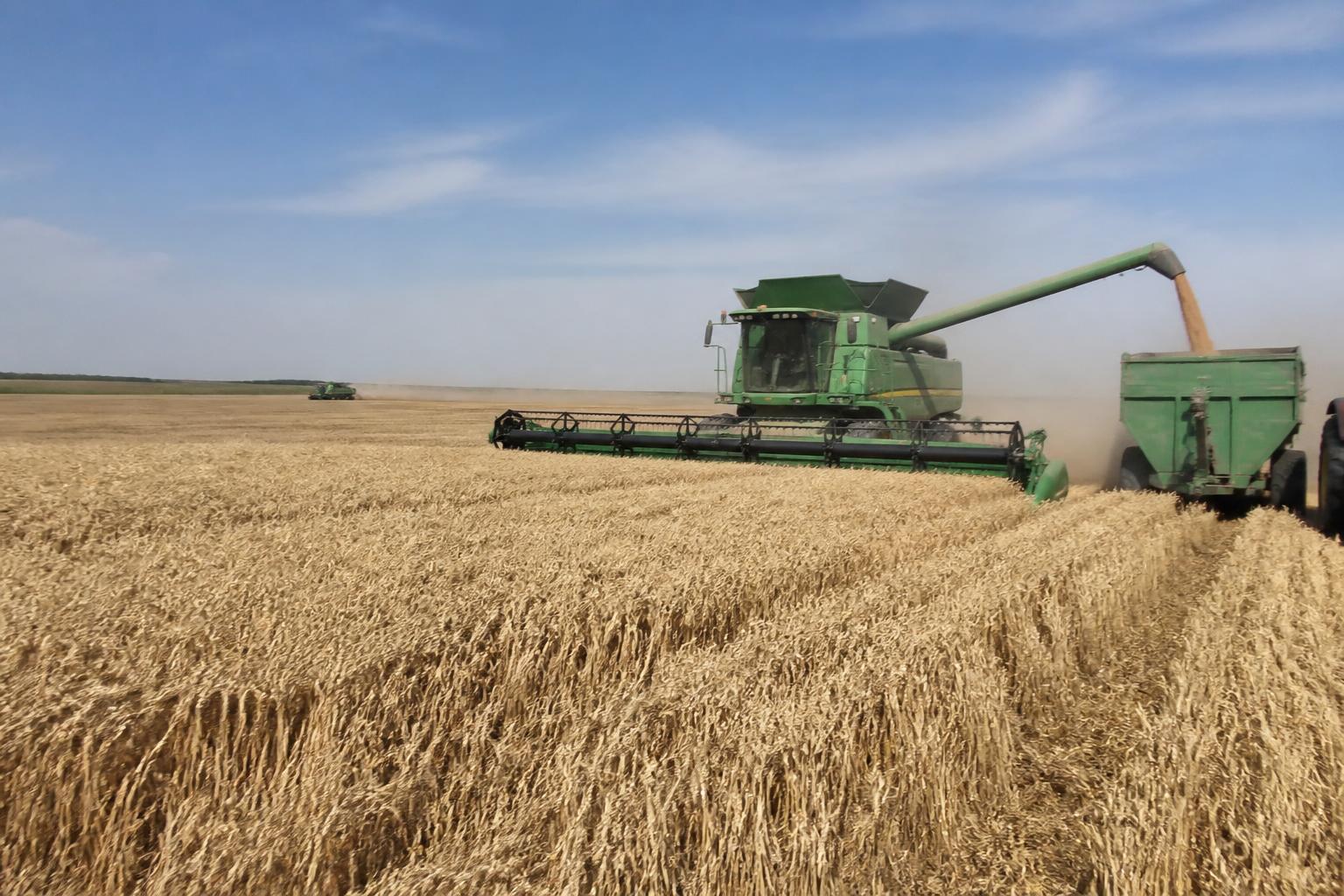
Winter wheat harvest is currently active across Colorado, marking a critical period for producers as they transition from fieldwork to grain movement. As combines roll through the fields, the focus remains on capturing yield efficiency while navigating the typical mid-summer logistical pressures that often accompany the height of the season.
For many operators, this year's harvest cycle occurs against a backdrop of evolving industry standards. Discussions surrounding the resilience of the agricultural safety net continue to gain momentum, as producers evaluate how federal policy adjustments may influence future planting and risk management strategies. Understanding the complexities of shifting grain markets is increasingly vital for those looking to optimize their storage and marketing decisions during this window of high activity.
Operational Shifts and Long-Term Stability
Beyond the immediate harvest tasks, the Colorado agricultural community is adapting to a changing operational environment. Recent legislative developments, such as the state's focus on equipment maintenance rights, are beginning to impact how farms manage their machinery fleets. These changes may alter long-term maintenance costs and how growers approach capital investments for the upcoming seasons.
Furthermore, innovative practices such as agrivoltaics—where crops are grown under solar arrays—are being explored in various parts of the state as a means to provide shade and mitigate the effects of intense summer heat. While still a developing niche, these strategies illustrate a broader trend toward diversifying land use and enhancing climate resilience. Reassessing farm risk and insurance options remains a top priority as producers look to secure their operations against the volatility that often characterizes modern farming.
What it means for the market
For growers and agribusinesses, the current season represents a intersection of immediate harvest labor demands and significant policy-driven changes. As wheat flows into local elevators, the focus on managing operational costs and securing favorable market positioning will remain paramount. Proactive engagement with supply chain partners and staying informed on the latest developments in farm safety nets will be essential for navigating the remainder of the summer season effectively.
Comments
No comments yet - be the first to share your take.