
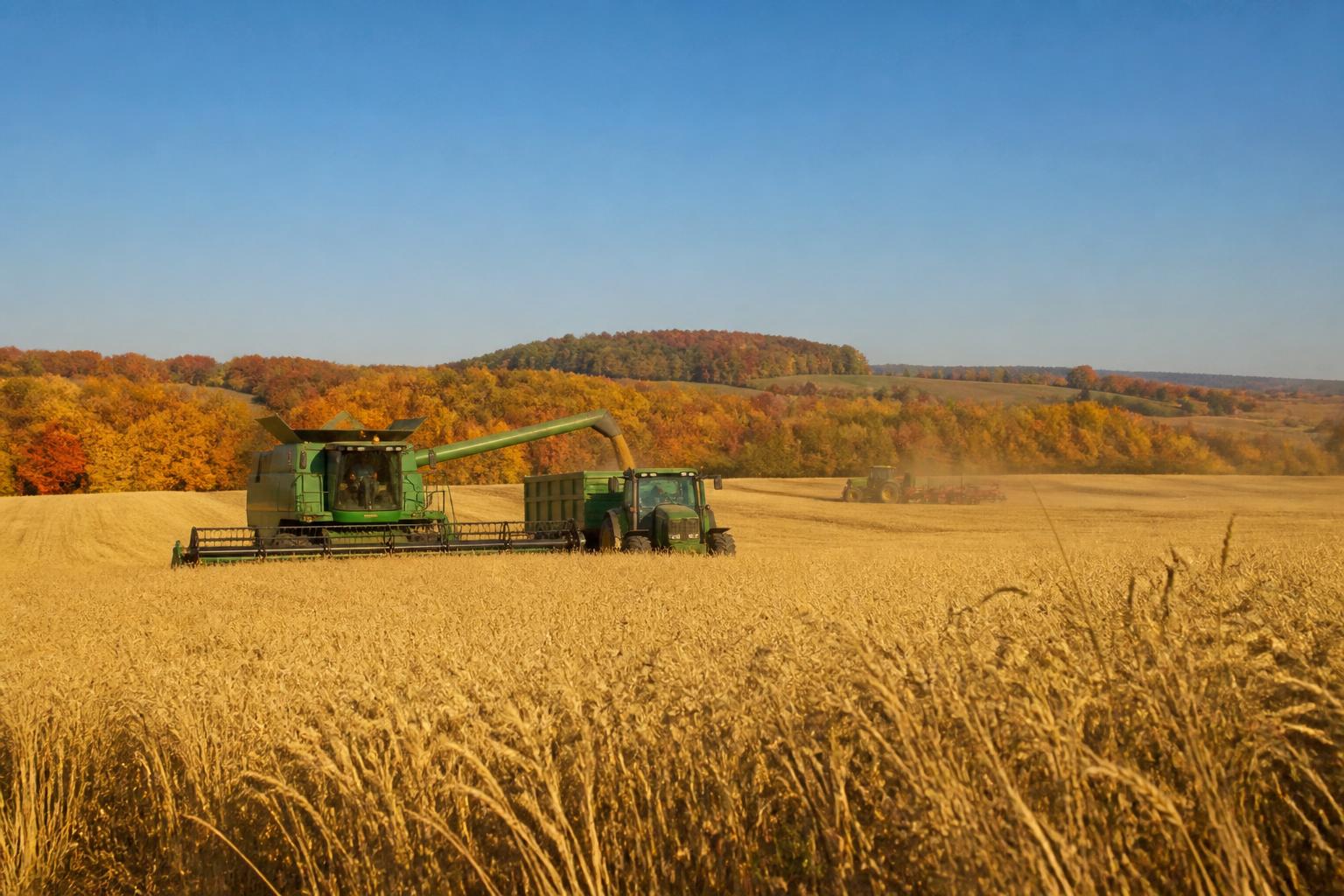
As the fall season takes hold across Wyoming, the agricultural community is transitioning into a busy harvest period. For many grain producers and facility operators, this time of year often brings a focus on managing capacity and navigating fluctuating market signals. While regional wheat markets have recently shown signs of settling into a sideways trade pattern, local handlers and producers are keeping a close watch on how these trends may impact storage and movement strategies during the peak months.
For those managing logistics and supply chains, the current environment necessitates a proactive approach to planning. Efficient coordination between regional elevators and transportation networks remains a critical component of maintaining flow during the heavy harvest traffic. Understanding how these logistical and infrastructure nuances affect day-to-day operations can help minimize bottlenecks as crops move from the field to storage or processing facilities.
Evaluating Regional Agricultural Outlooks
Beyond the immediate harvest, Wyoming’s agricultural landscape continues to see interest in diversified crop research, including studies into ancient grains. These efforts reflect a broader desire to adapt to the state's unique climate and soil conditions, providing potential long-term alternatives for land management. Simultaneously, the continued reliance on the cattle industry and its correlation with land market activity remains a fixture of the regional economy, influencing how producers approach their seasonal land and input investments.
Input Management and Operational Resilience
Producers are also managing the ongoing implications of environmental factors, such as limited seasonal rainfall in parts of the region. Effective input management, including careful attention to herbicide application and soil health, remains essential for those working to maximize yields despite intermittent dry conditions. Keeping a close eye on technical advisory and university-led research can offer valuable, science-backed guidance for navigating these persistent operational pressures.
What it means for the market
For the Wyoming agribusiness sector, this fall serves as a reminder of the importance of adaptability. Whether dealing with grain storage logistics or adjusting to broader commodity market trends, those who prioritize early planning and stay informed on regional developments are better positioned to mitigate risk and maintain operational efficiency throughout the coming months.
Comments
No comments yet - be the first to share your take.