
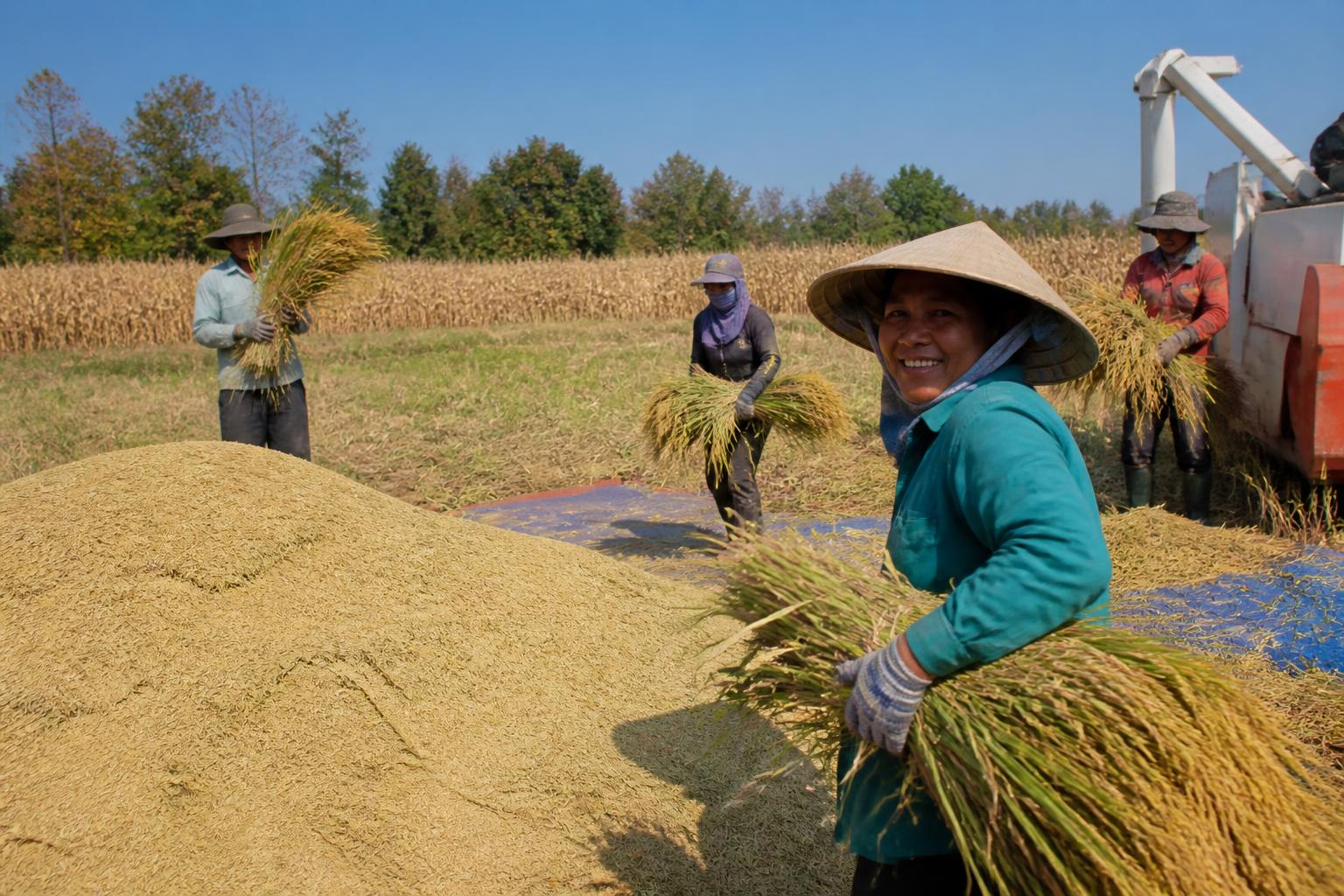
Harvest activity is currently gaining traction across Arkansas as producers move into the fields to gather corn and rice crops. This critical window of the season typically requires tight coordination between field teams and local grain elevators as operations ramp up in major production areas across the state. Farmers are balancing the immediate demands of getting product out of the field while maintaining attention to ongoing crop management strategies.
While field work is the primary focus, the broader economic context remains a point of discussion for regional growers. Recent reports have highlighted concerns regarding broader agricultural margins, as Arkansas growers continue to navigate tightening margins and the complexities of modern crop protection. These pressures often influence how producers prioritize their post-harvest storage and delivery schedules.
Managing Logistics and Market Flow
As the pace of the harvest quickens, the movement of grain becomes a logistical priority. Efficient Arkansas grain logistics rely on the seamless interaction between inland elevators and established transport corridors. With seasonal traffic increasing, local handlers are often focused on managing receiving capacity to prevent bottlenecking at key transload points. Maintaining steady communication with trucking partners and storage facilities is essential for producers aiming to mitigate delays during peak delivery periods.
What it means for the market
For the remainder of the fall, the focus will stay on yield verification and the pace of regional deliveries. Producers are encouraged to keep a close watch on local basis levels and facility space availability. As harvest matures, the ability to store grain on-farm or secure rapid delivery slots will likely remain a decisive factor in managing potential market volatility and ensuring consistent supply chain flow throughout the remainder of the 2026 season.
Comments
No comments yet - be the first to share your take.