
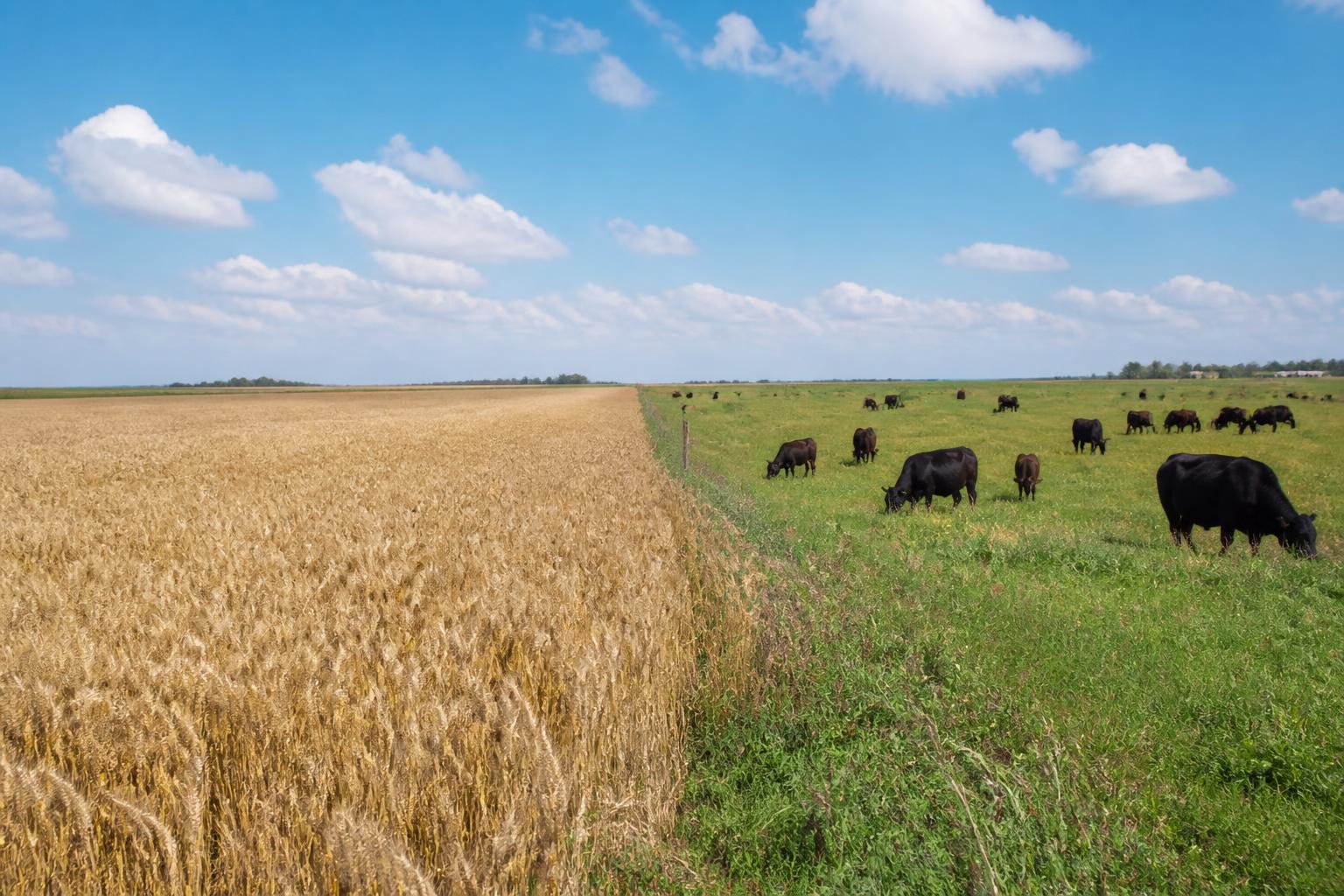
As the Kansas harvest season hits its stride, producers and agribusinesses are navigating a complex landscape defined by both regional opportunity and logistical friction. While local elevators continue to manage the intake of incoming crops, the state's processing landscape is undergoing a notable shift. The arrival of new oilseed crushers in the region has created fresh avenues for local grain movement, potentially easing some of the pressure on traditional long-haul transit corridors.
However, maintaining efficient flow remains a priority as the industry keeps a close eye on the broader transport network. For more on how regional infrastructure is holding up during this busy season, read our latest analysis on navigating volatile market and infrastructure pressures. The intersection of local trucking needs and cross-border rail capabilities continues to influence how effectively grain moves from farm gate to market, with many operators keeping a careful watch on capacity.
Adapting to Evolving Logistical Realities
The operational environment for Kansas agriculture is increasingly tied to the flexibility of the supply chain. With the ongoing expansion of major rail lines, there is a renewed focus on how rail-integrated trade impacts local grain handling. Understanding these nuances is essential for managing rail logistics as the summer harvest gains momentum. Operators are also reminded that regulatory deadlines for transport remain a looming factor for many in the industry, necessitating proactive scheduling and fleet management.
Input costs, particularly those linked to energy prices, remain a significant variable in the overall cost-of-production equation. As many farmers continue to evaluate their storage and shipping strategies, staying informed on current bottlenecks is key. For a deeper look at the challenges impacting the current harvest, review our report on navigating harvest risks and production forecasts.
What it means for the market
For grain handlers and logistics providers, the remainder of the season hinges on the ability to move product reliably despite localized infrastructure constraints. While the emergence of new crush capacity provides a positive development for domestic utilization, the combination of potential fuel cost volatility and shifting rail dynamics requires a disciplined approach to inventory and logistics planning. Farmers are encouraged to keep tight communication with their local elevators to stay ahead of potential regional delays as seasonal traffic intensifies.
Comments
No comments yet - be the first to share your take.