
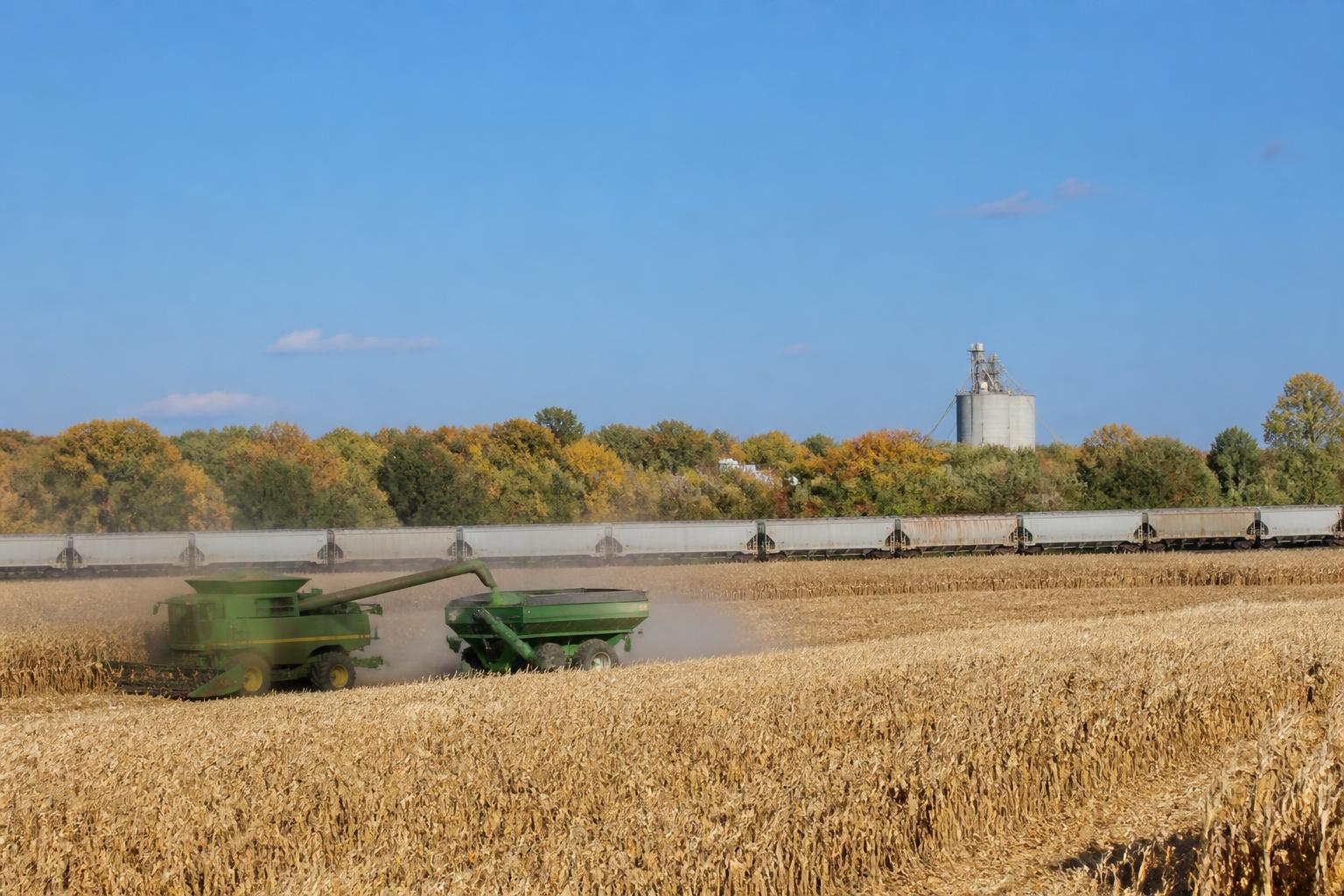
Rail Capacity and Harvest Flow
As the agricultural sector moves deeper into the fall season, logistics remains a primary focus for Kansas grain handlers and producers. Strong rail demand signals suggest that moving inventory efficiently will be critical through 2026. For elevators and producers across the state, managing this transit bottleneck requires close coordination to avoid backups that can occur when volume peaks. Understanding these broader trends is essential for those looking to stay ahead of Kansas grain infrastructure expansion and storage capacity limits as the year progresses.
Strategic Infrastructure Adjustments
Recent developments in regional storage and processing are providing new outlets for Kansas commodities. With organizations like Scoular leasing facilities to local cooperatives, the landscape for localized grain handling is shifting to better serve regional needs. This trend toward regionalized infrastructure may offer farmers more flexible options for timing their deliveries. Such logistical shifts are occurring alongside broader efforts in Kansas crop protection and management, which continue to influence yield quality and overall marketability as growers look to capitalize on international partnerships, particularly for premium quality wheat.
What it means for the market
The convergence of robust rail demand and local facility consolidation indicates a complex but potentially stable environment for Kansas agribusiness. Producers should monitor local elevator capacity closely and stay informed about rail availability, as these factors will play an outsized role in determining price realization during the final quarter of the year. While global uncertainty persists, the ongoing investment in regional infrastructure is a positive indicator for long-term supply chain resilience.
Comments
No comments yet - be the first to share your take.