
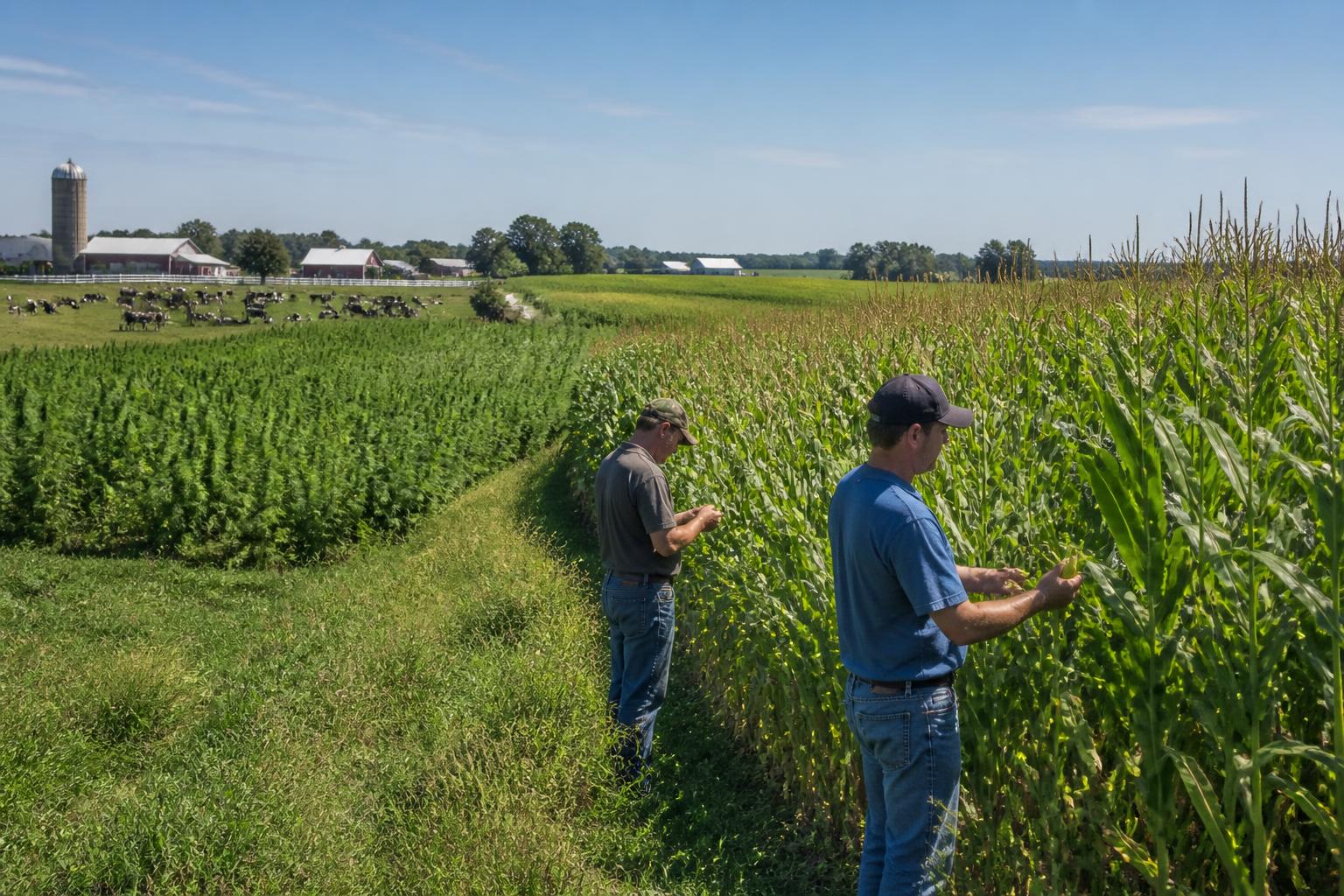
Missouri producers are navigating a complex landscape as the 2026 harvest season gains traction. With corn harvest activities now underway, regional grain handlers and logistics providers are closely monitoring the interplay between crop quality and the efficiency of the state's transport corridors. For many in the agricultural sector, the current period represents a high-stakes balance between immediate harvest throughput and long-term supply chain reliability.
Infrastructure and Regional Expansion
Investment remains a key theme for Missouri's agricultural footprint, highlighted by the development of a $36.4 million pasta manufacturing facility in St. Charles. Such facilities can create new local demand hubs, potentially altering traditional grain flow patterns toward more localized processing. These additions serve to diversify the market, though they also require seamless connectivity to transport infrastructure to ensure the consistent movement of raw inputs from fields to regional facilities.
Navigating Market Pressures
Market uncertainty continues to weigh on the industry, with ongoing discussions surrounding trade policy and tariff impacts remaining fresh on the minds of local growers and handlers. In Missouri grain logistics, producers are balancing these broader macroeconomic concerns with the immediate task of managing field logistics. Efficient coordination is essential, especially as regional reports indicate that while heat may have tempered some crop pressures like tar spot, individual yield results have shown significant variability across the state, particularly in southern counties.
Operational Readiness
As the season progresses, maintaining a clear line of sight regarding port accessibility and transit costs is critical. Disruptions at key transit points or potential port fees may impact the bottom line for those moving commodities to export markets. Ensuring that equipment and storage solutions are prepared for the influx of grain is a practical priority for elevators and farm managers alike during this busy, high-intensity window.
What it means for the market
For Missouri agribusinesses, success in the coming weeks will likely hinge on proactive logistics management. Whether navigating the logistical requirements of new local processing facilities or mitigating the risks associated with volatile export costs, staying informed on localized transport constraints remains the most effective hedge against mid-summer operational bottlenecks.
Comments
No comments yet - be the first to share your take.