
Managing Crop Health During a Wet Summer
For Missouri farmers, the late summer stretch has brought a distinct set of challenges. Excessive rainfall in some regions of the state has led to reports of root rot appearing in corn and soybean fields. As crops continue to develop, producers are advised to monitor field drainage and plant health closely. High moisture levels often exacerbate disease pressure, requiring careful observation of root systems and plant vigor as the season progresses toward harvest.
This environmental pressure comes at a time when producers are also managing the day-to-day realities of farm labor. Staying updated on infrastructure and regional crop health remains vital for those coordinating field logistics and input applications as they navigate these variable growing conditions.
Technology and Labor in Modern Missouri Ag
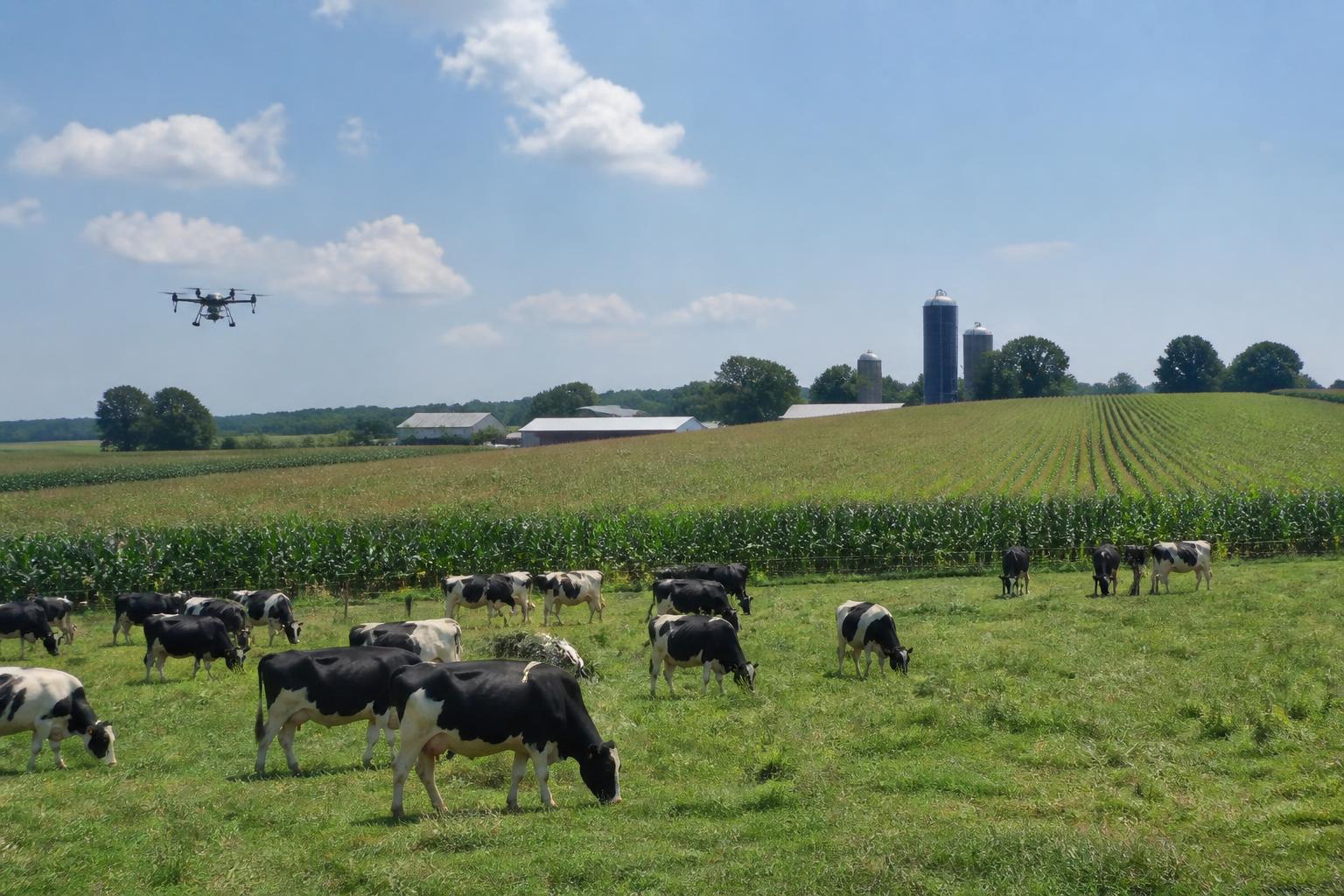
Beyond crop health, the focus remains on enhancing operational resilience. Many producers are exploring how precision agriculture tools can offset labor shortages. The adoption of virtual fencing, supported by recent grant initiatives, is helping cattle producers optimize pasture management with greater flexibility. Meanwhile, the ongoing discussion regarding H-2A guest worker programs continues to be a central topic for agribusinesses evaluating their labor models for the upcoming harvest window.
Community infrastructure, including local feed stores, continues to provide essential support to the state's agriculture sector. These hubs often serve as the first line of connection for growers looking to share information on local pest management and machinery maintenance during the busy weeks of August.
What it means for the market
The convergence of disease management and labor logistics suggests a tight window for decision-making. Producers managing localized root rot may need to shift their focus toward potential yield adjustments and specialized harvesting strategies. For those in the grain handling and transport sectors, keeping a close watch on regional yield reports will be essential for managing storage capacity and transport demand as the harvest cycle begins to accelerate across Missouri.
Comments
No comments yet - be the first to share your take.