
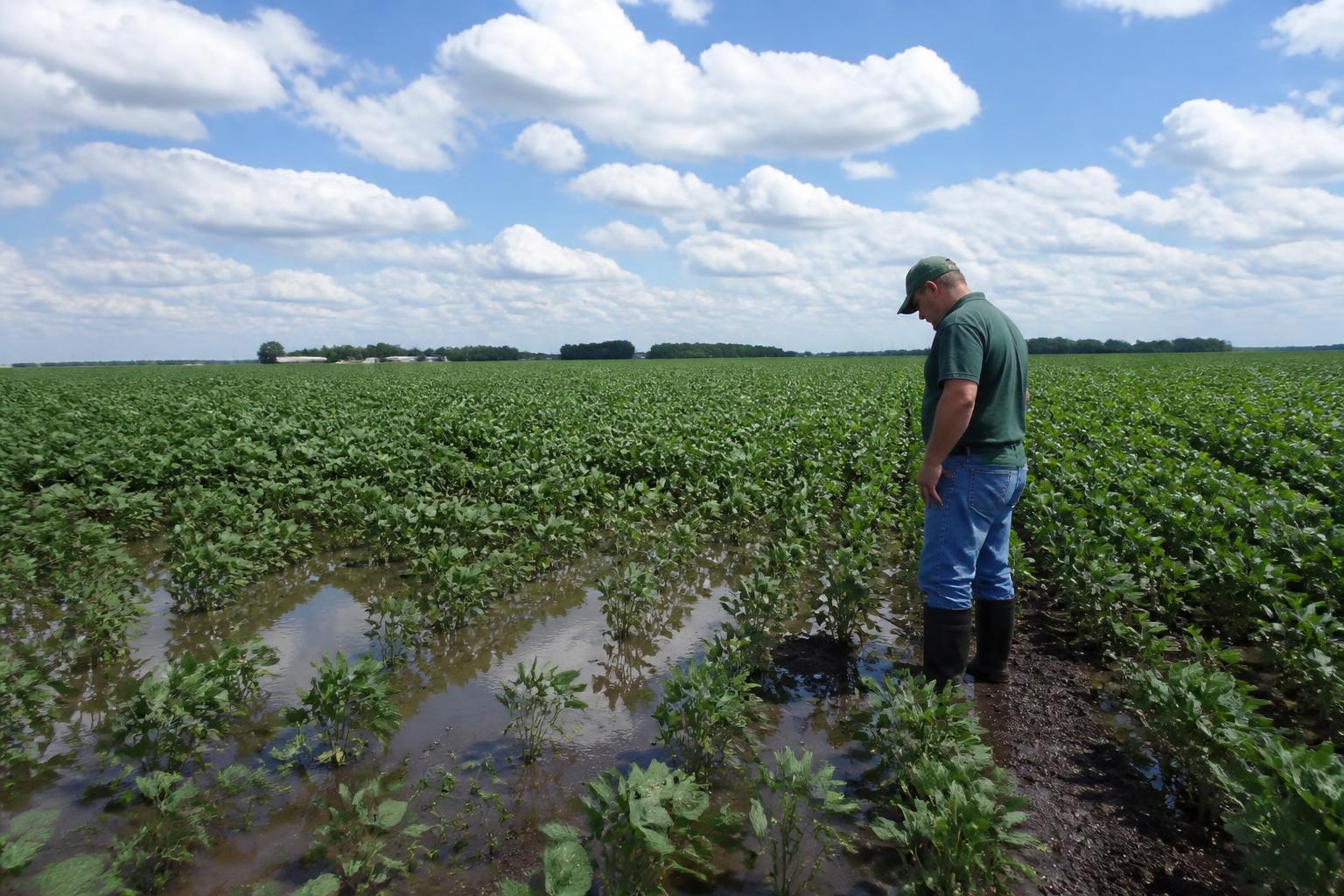
For many producers across the Illinois landscape, the mid-summer period is a critical window for monitoring crop health and field conditions. While recent weeks have highlighted the complexities of maintaining soil integrity, poor drainage and the emergence of ponded fields continue to pose risks to overall farm productivity. Managing these issues is essential for those looking to navigate the environmental variables that directly influence yield potential this year.
As field work continues, growers are increasingly focusing on precision water management and soil health to mitigate the impact of standing water. When fields remain saturated, the efficacy of nutrient applications and crop protection strategies can be compromised, often requiring a reassessment of input timing.
Refining Input Strategies
Beyond water management, many agribusinesses and farm operations are re-evaluating their broader input strategies. With ongoing concerns regarding the volatility of global fertilizer supplies, local producers are looking for ways to maximize efficiency. There is a growing emphasis on adopting conservation-focused practices and exploring the role of specialized biostimulants. These tools are being scrutinized for their potential to help crops endure environmental stressors, providing a pathway for more resilient growth without necessarily increasing total input volumes.
Logistics and Market Connectivity
The movement of grain and supplies remains a central pillar of the Illinois economy, with major corridors seeing consistent activity throughout the season. Local facilities, such as the recently expanded production centers in Champaign, are vital for maintaining the flow of essential inputs to the surrounding regions. For logistics operators and elevators, balancing these transport demands alongside regional road conditions is a standard, yet significant, operational task during the height of the growing season.
As producers continue to manage these mid-season hurdles, staying informed on the latest logistics and protection strategies is vital for long-term farm success. The combination of precision agronomy and improved supply chain coordination remains the primary focus for Illinois agribusinesses as they look toward the harvest window.
What it means for the market: For Illinois growers, the current focus is on damage control and input efficiency. Producers who prioritize effective field drainage and precise application timing are better positioned to protect their margins, while local suppliers are ramping up their service capacity to meet the ongoing demand for adaptive agronomic solutions.
Comments
No comments yet - be the first to share your take.